Ghana
Cape Coast castle tours, kente weaving, highlife music, and diaspora homecoming trips to Ghana
Capital
Accra
Population
30.8M
Languages
English, Akan/Twi, Fante
Currency
Ghanaian cedi (GHS)
Timezone
GMT (UTC+0) year-round — no daylight saving time
"The heartland of the Year of Return — come home to the Gold Coast."
About Ghana
Top experiences
Local tips
- Greet before you ask — use your right hand to give, receive, and eat.
- Bargain in markets (start around half), but not in supermarkets or metered rides.
- Dress smart-casual at churches, palaces and offices; modest away from the beach.
- Tip 5–10% at restaurants and small cash for guides and drivers.
- "Obroni" (foreigner) is affectionate, not an insult — a smile and a wave is the right reply.
- Buy a local SIM (MTN or Telecel) at the airport with your passport — ride-hailing needs data.
Safety
Frequently asked
About Ghana
Ghana is West Africa's gateway, known as the Gold Coast for its rich history, vibrant culture, and warm hospitality. Birthplace of pan-Africanism.
Cities & Regions
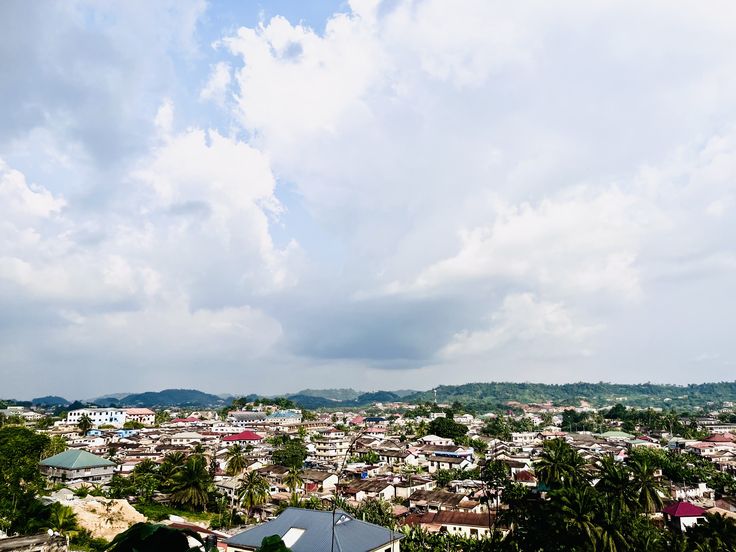
Western Region
state
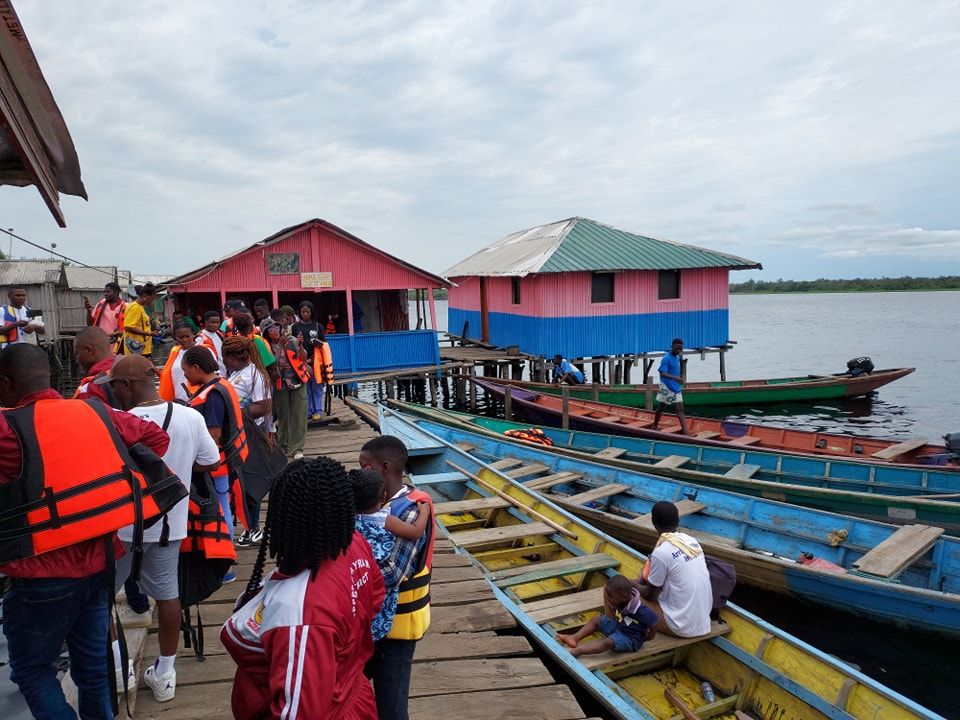
Western North Region
state
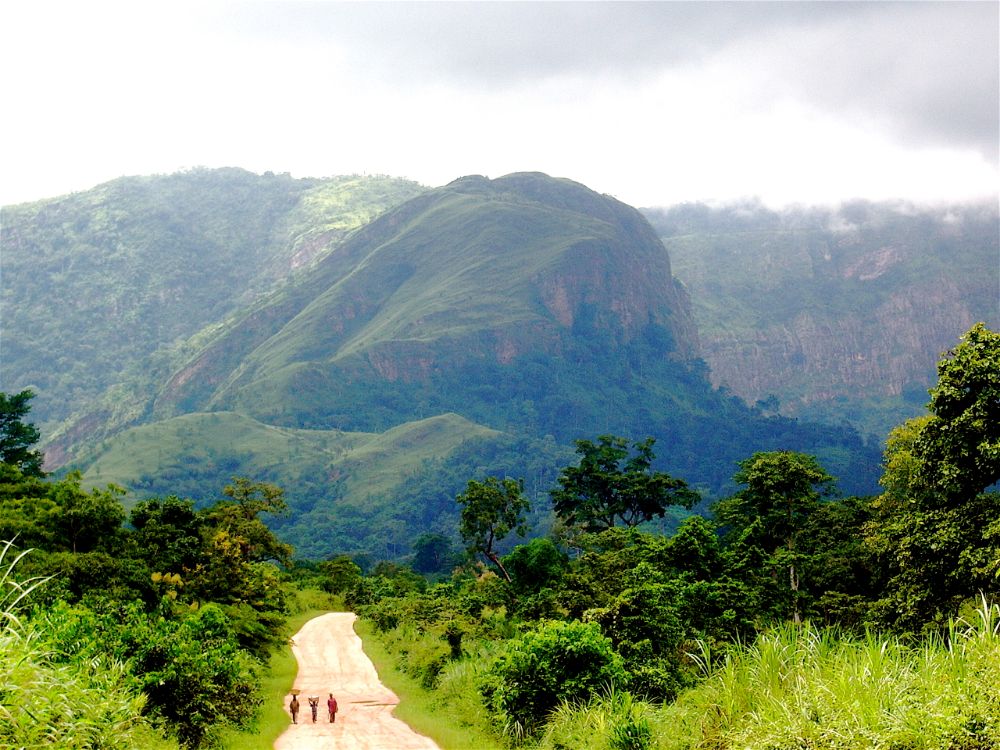
Savannah Region
state
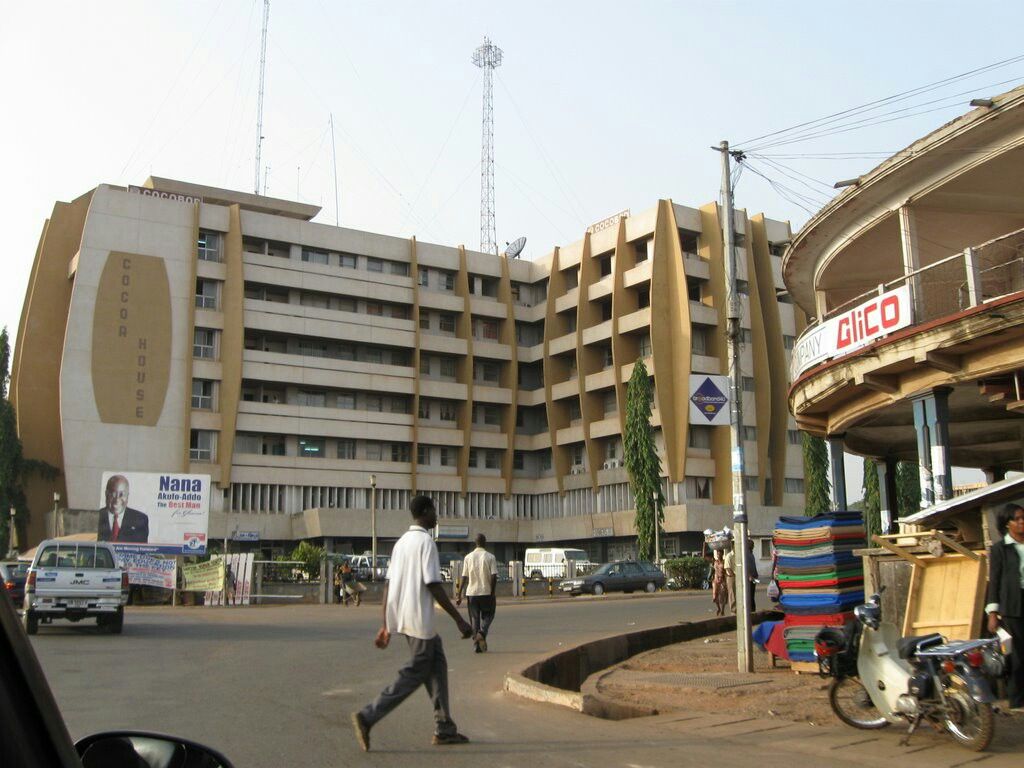
Bono Region
state
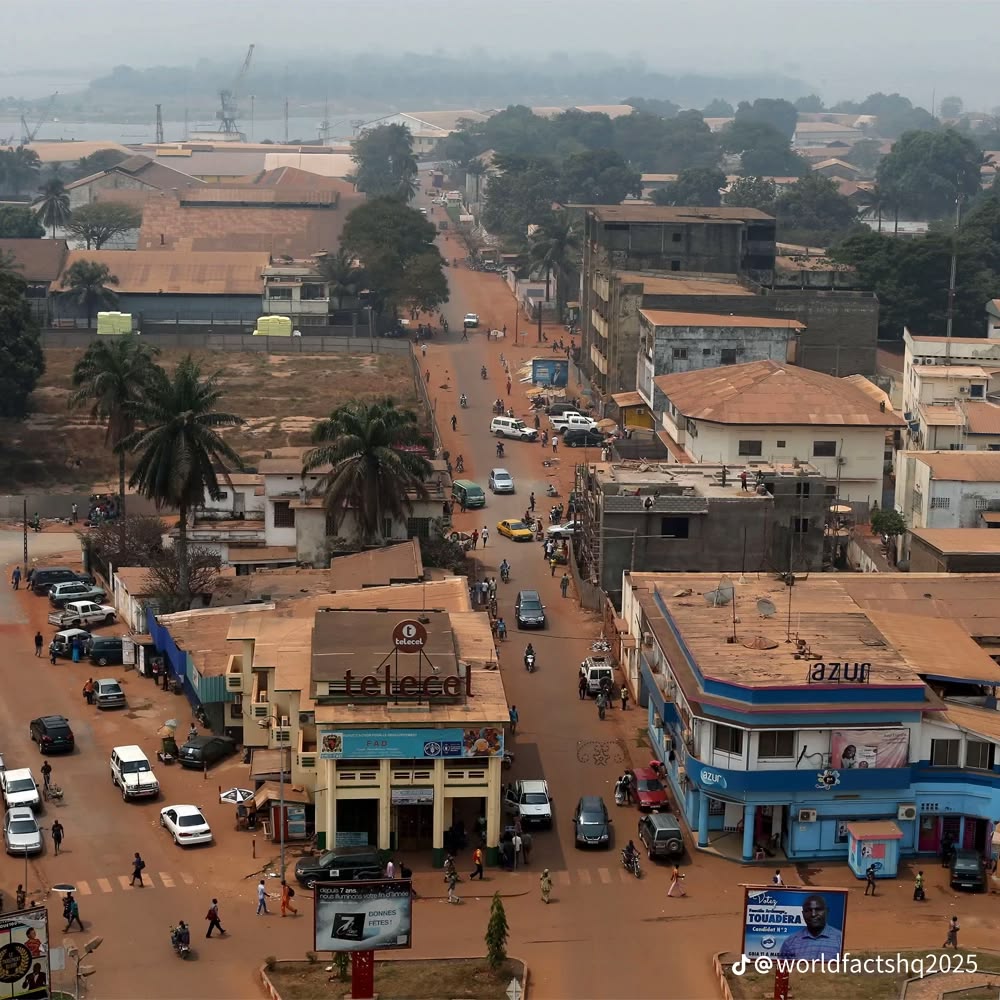
Eastern Region
state
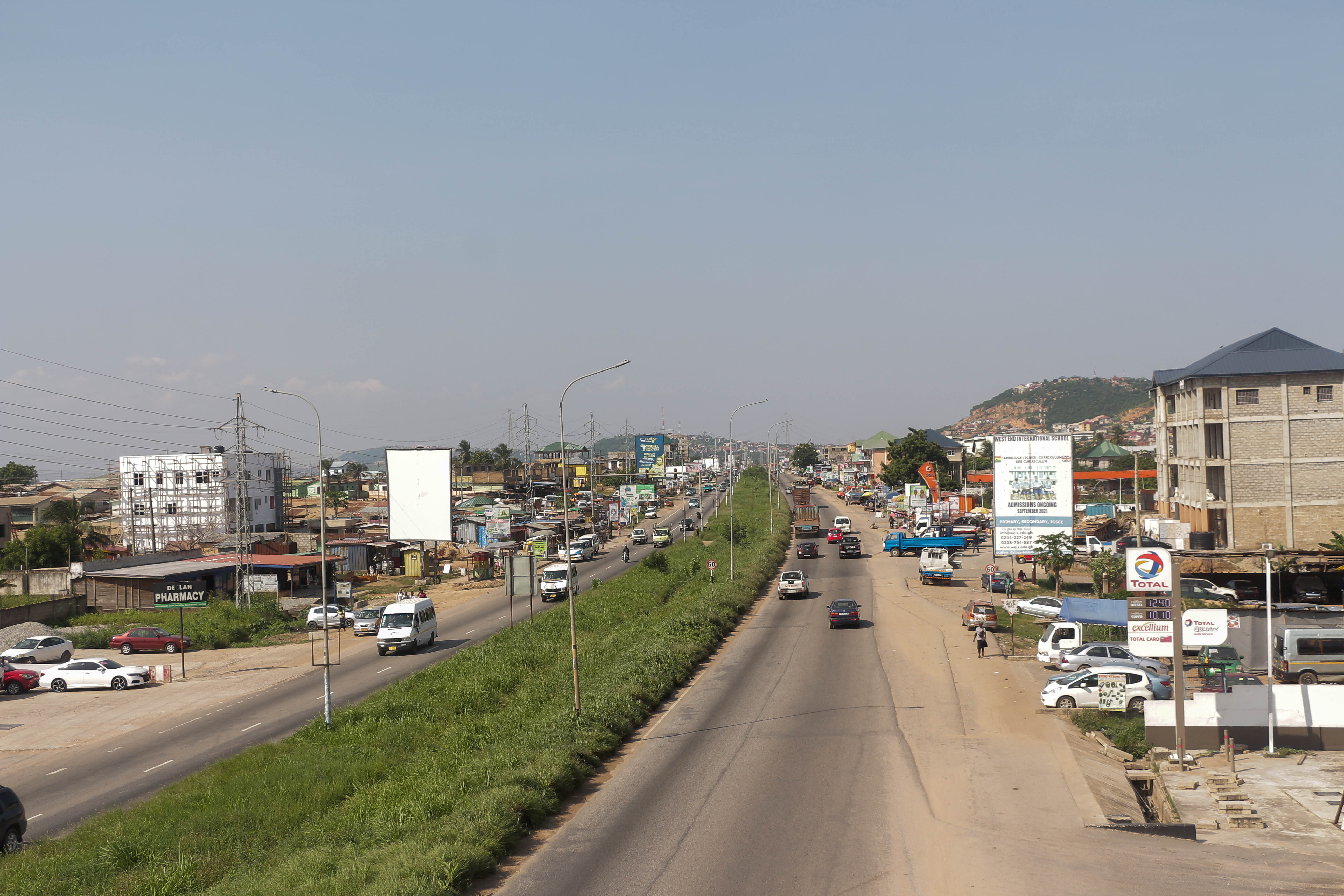
Kasoa
city
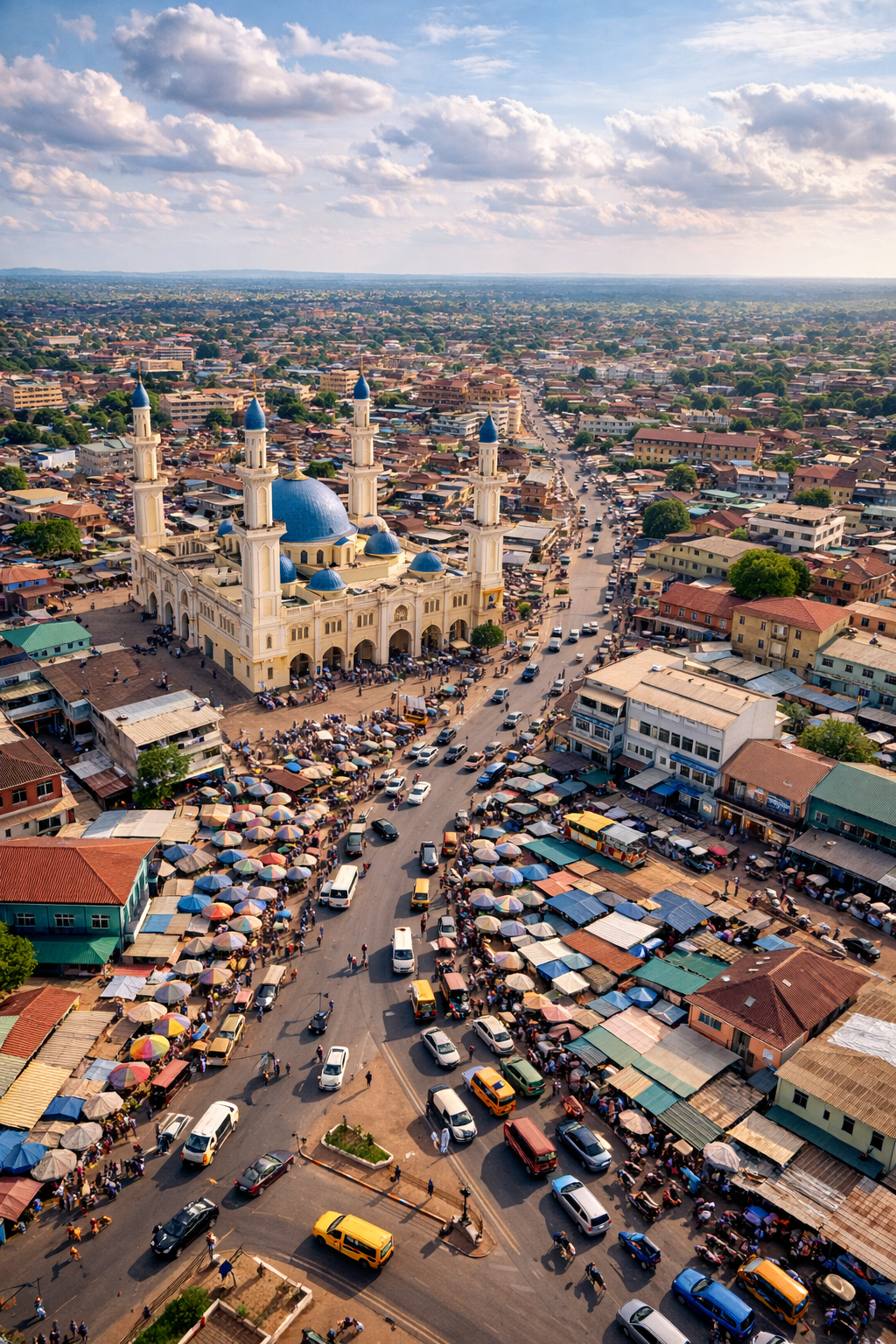
Tamale
city
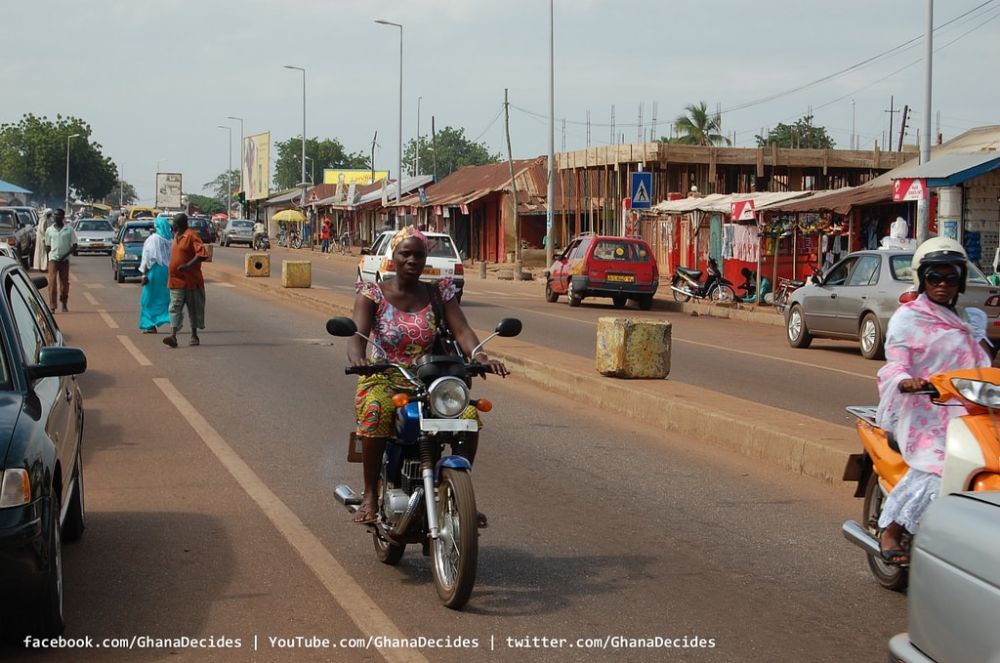
Northern Region
state
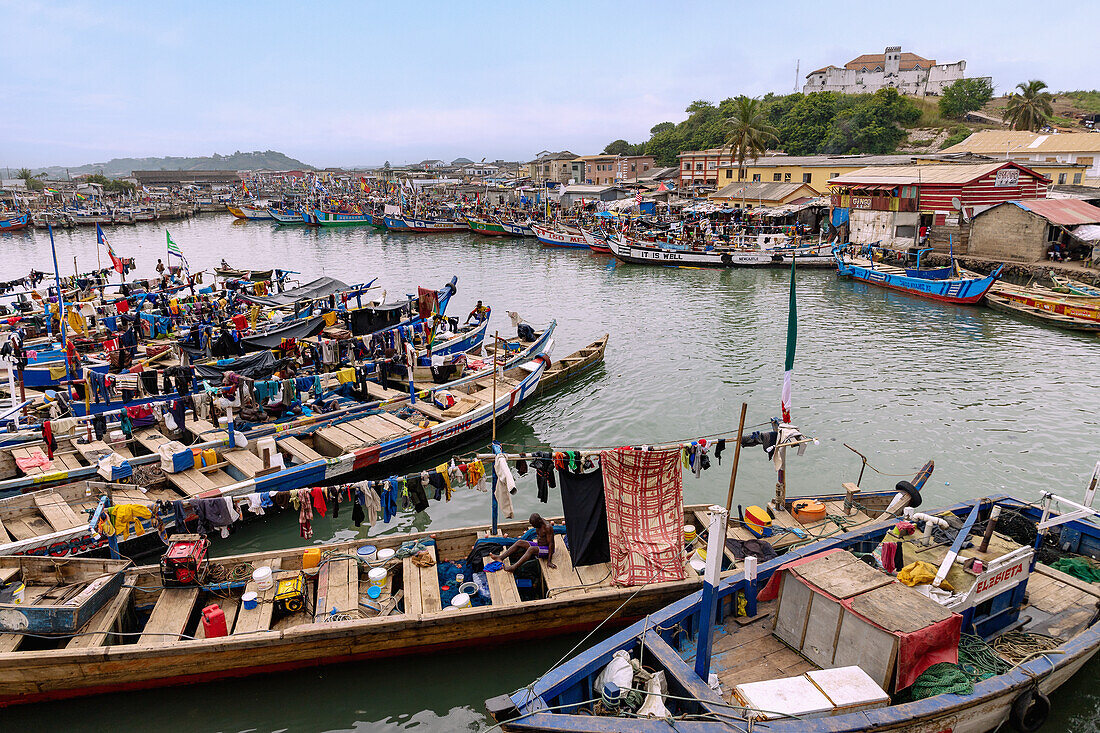
Elmina
town
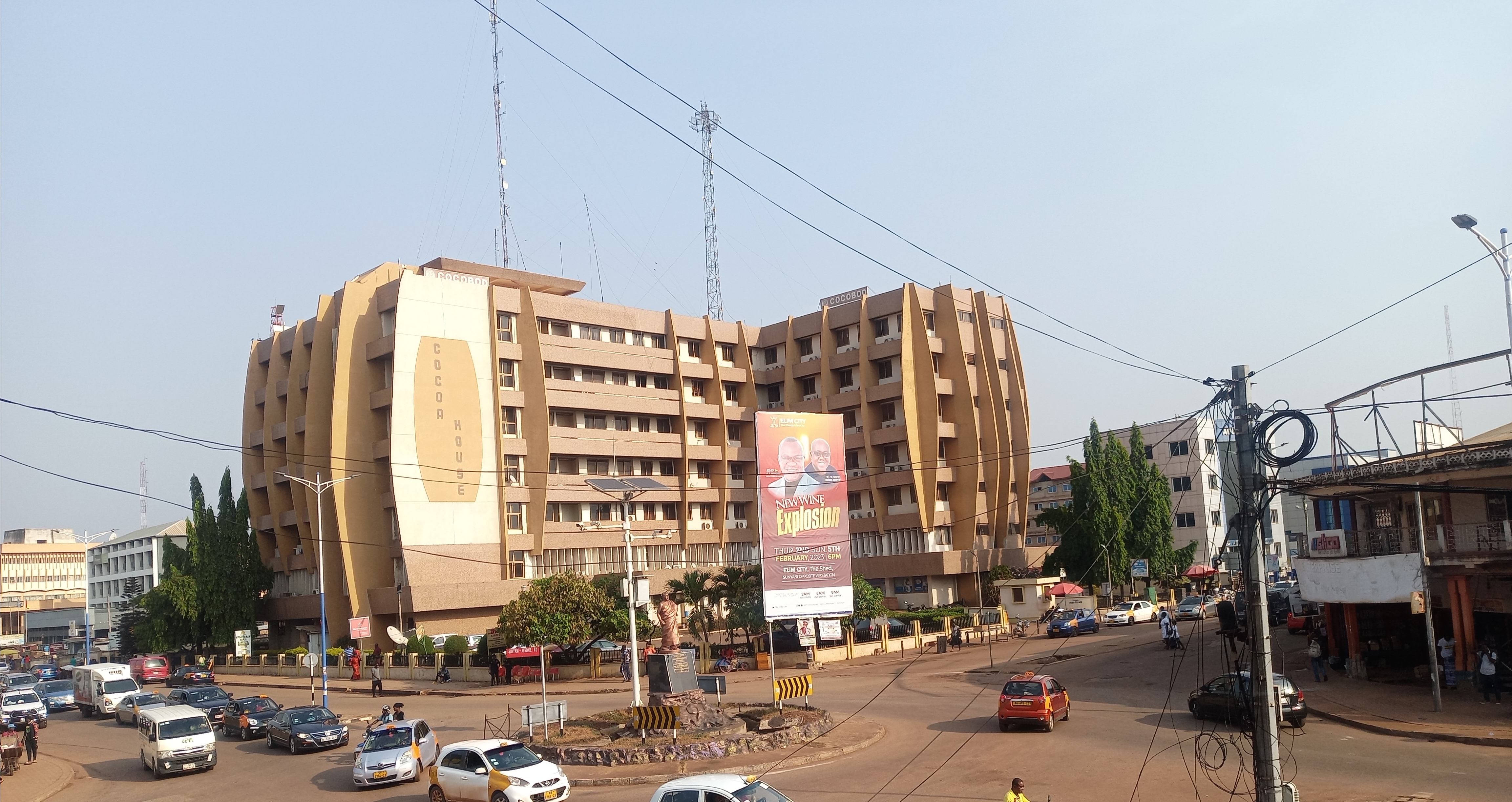
Sunyani
city
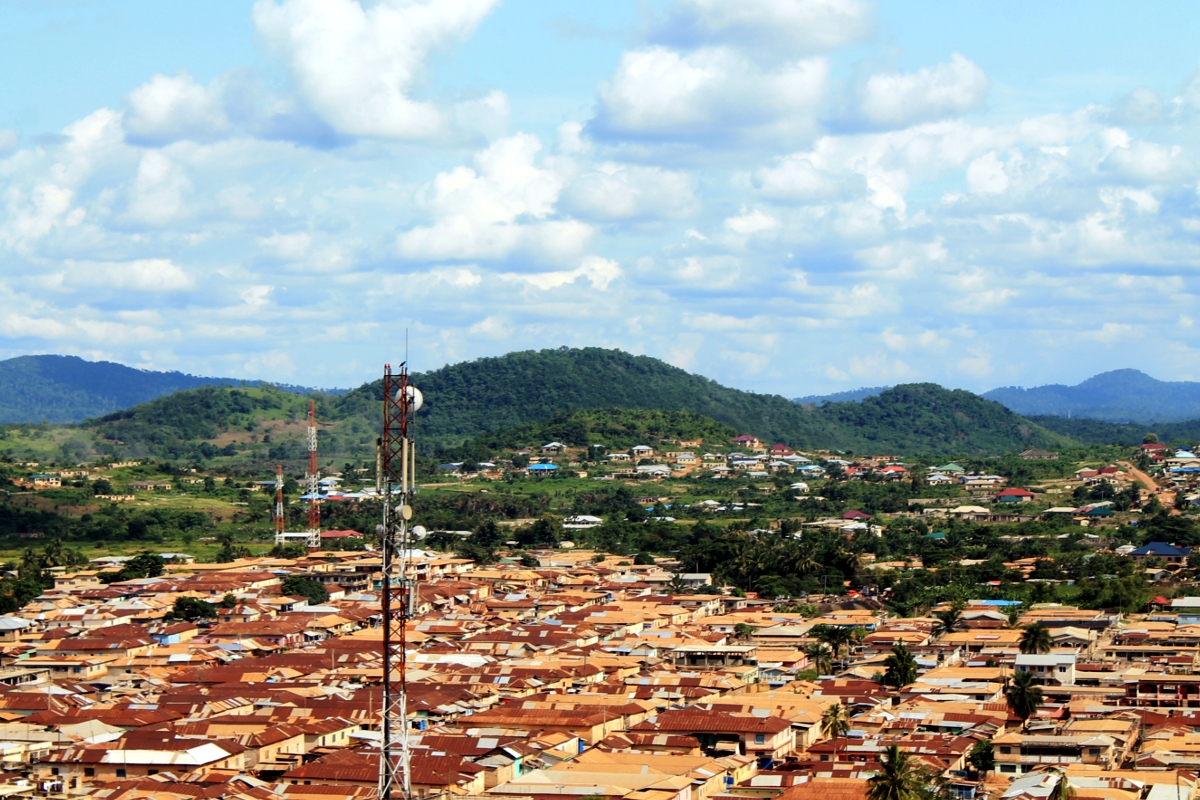
Obuasi
city
Ho
city
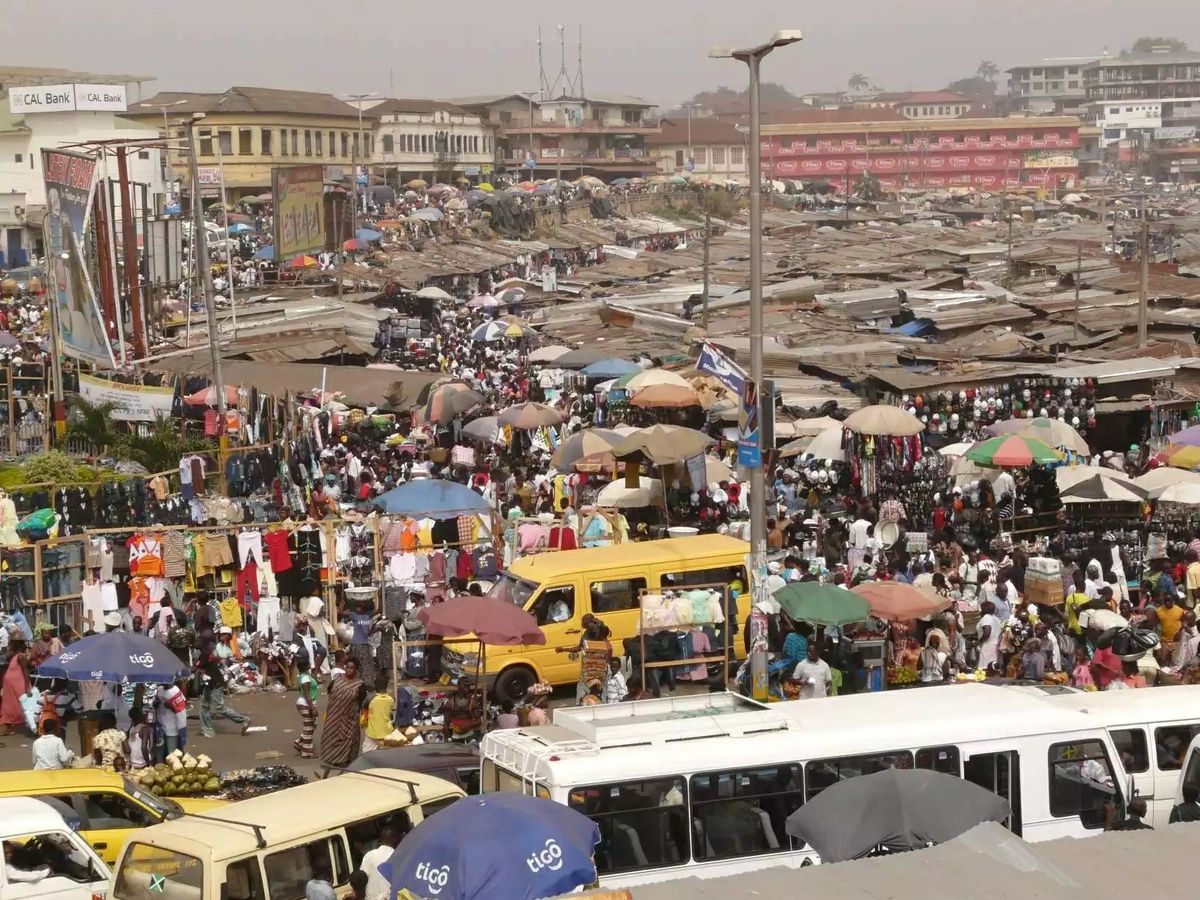
Techiman
city
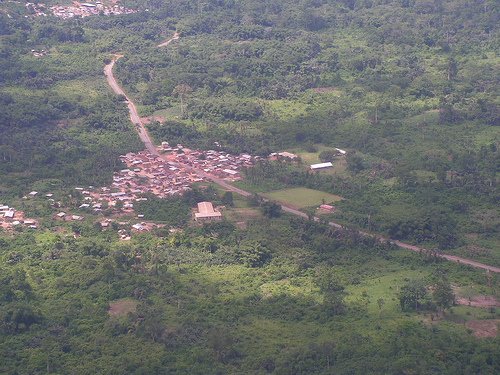
Tarkwa
city
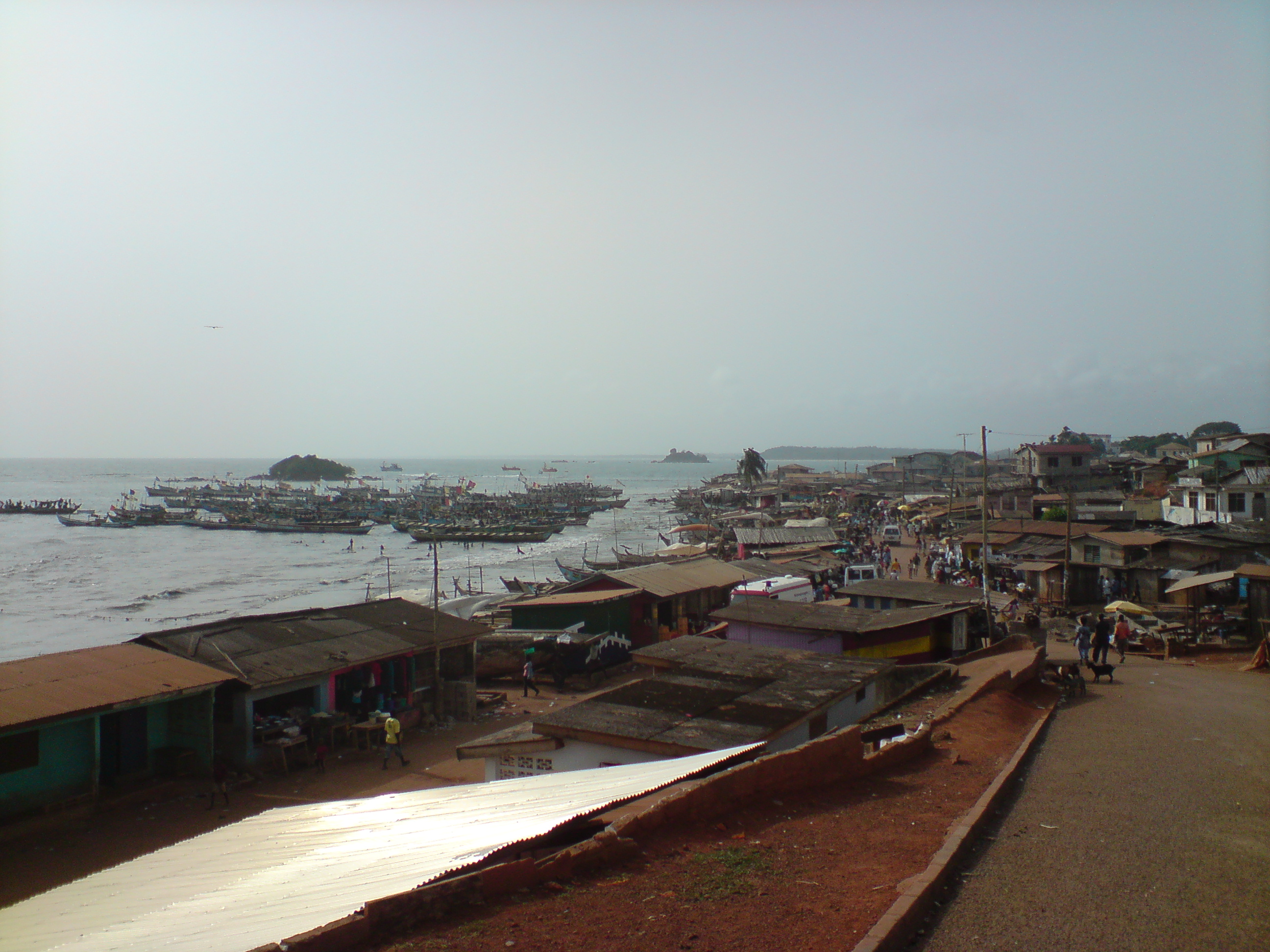
Axim
town
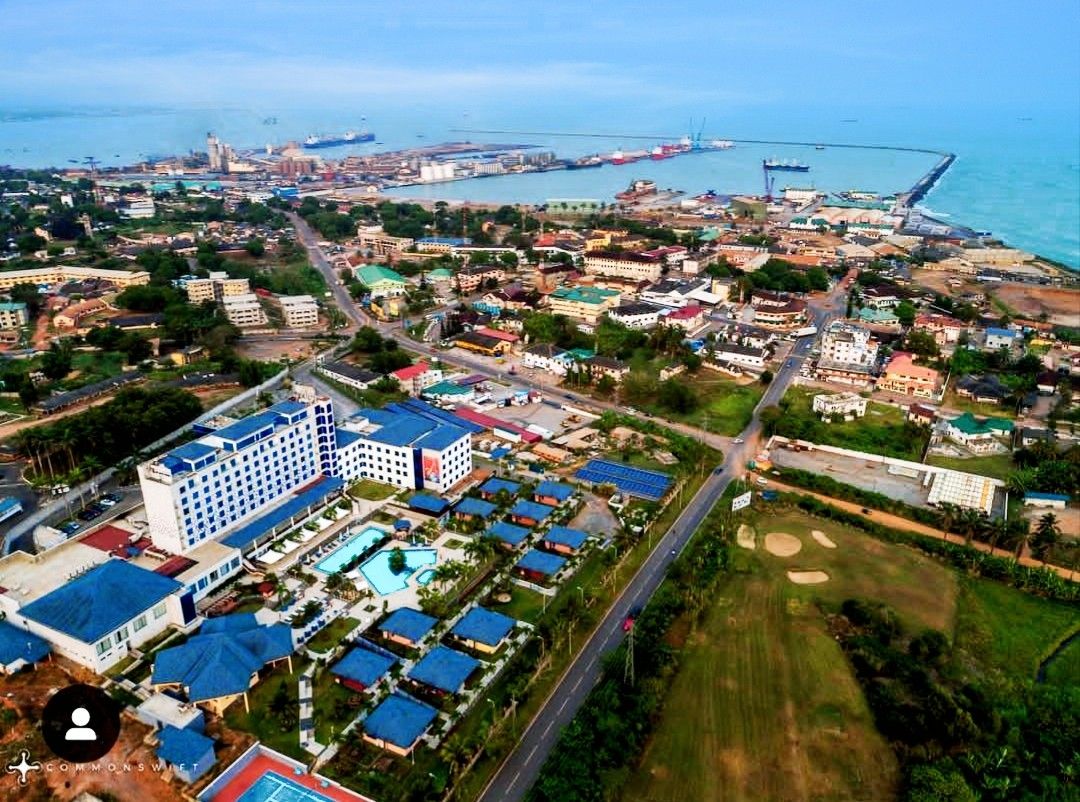
Sekondi-Takoradi
city
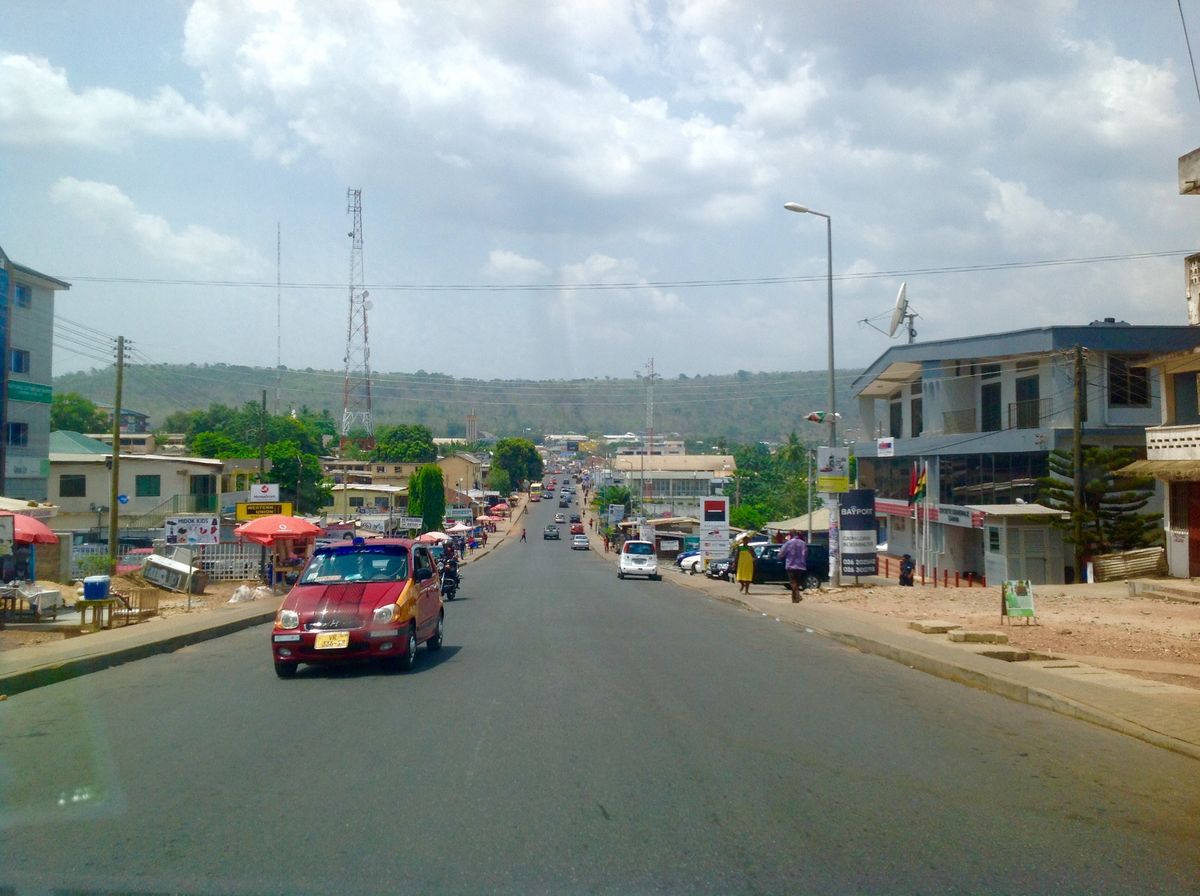
Volta Region
state
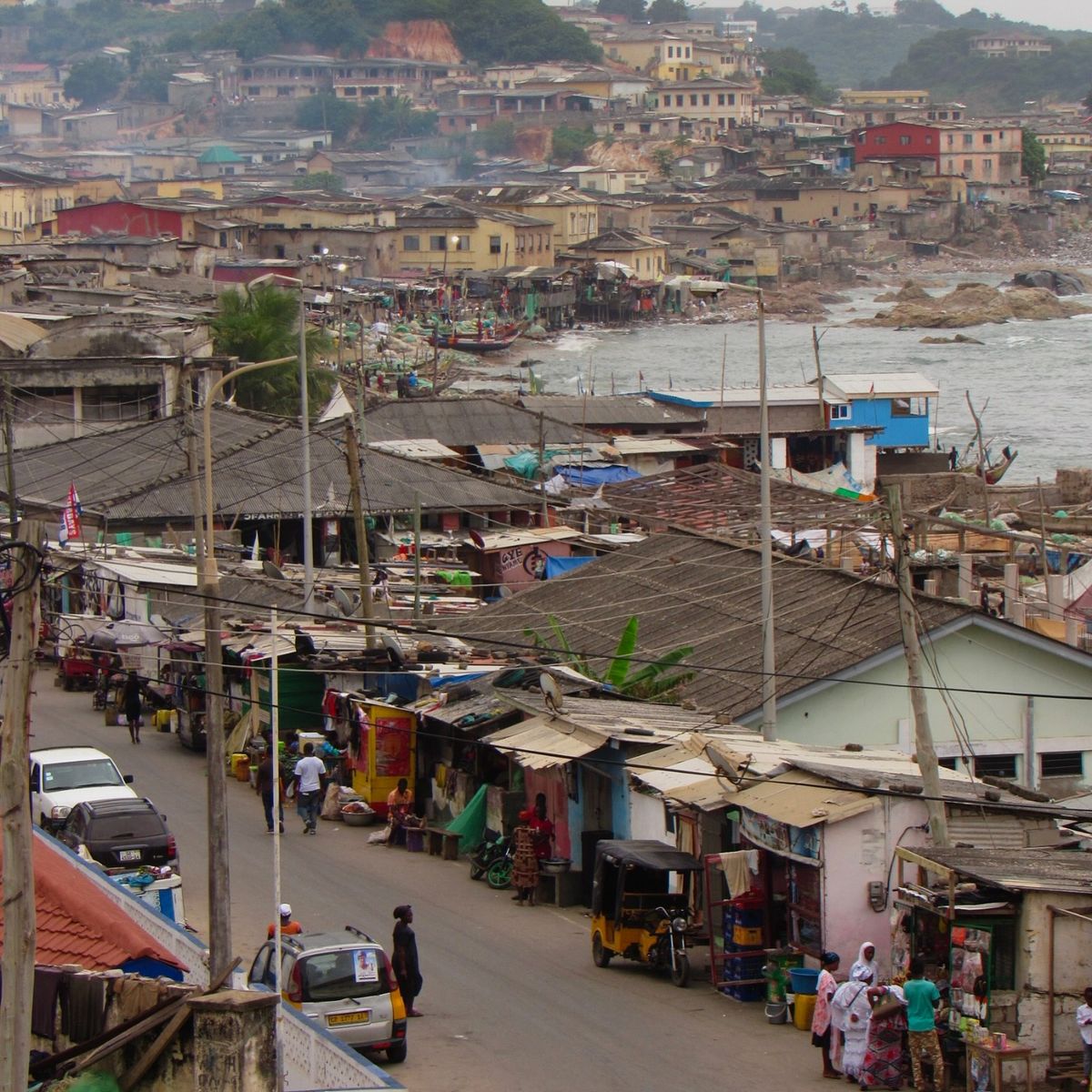
Upper West Region
state
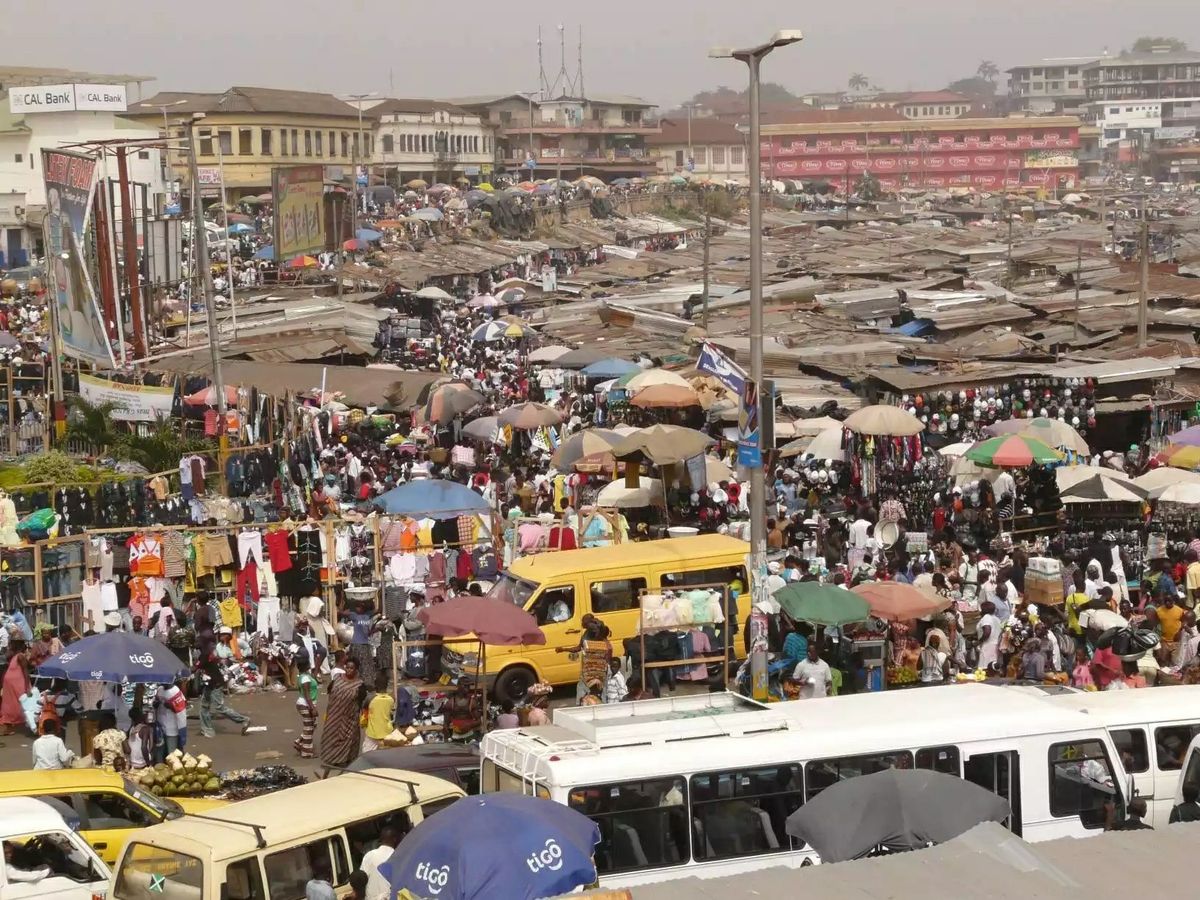
Bono East Region
state
Yendi
town
Sefwi Wiawso
town
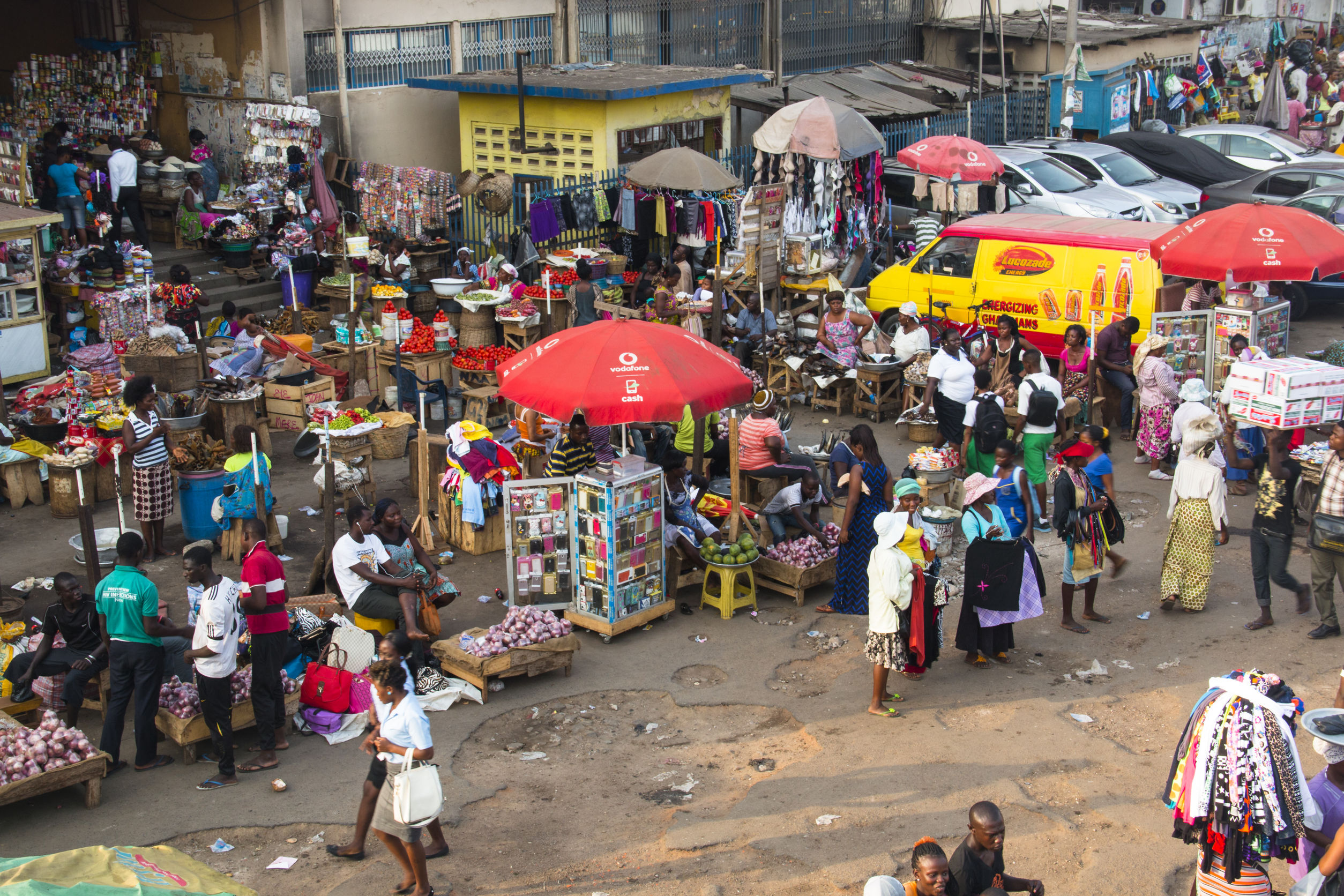
Bolgatanga
city
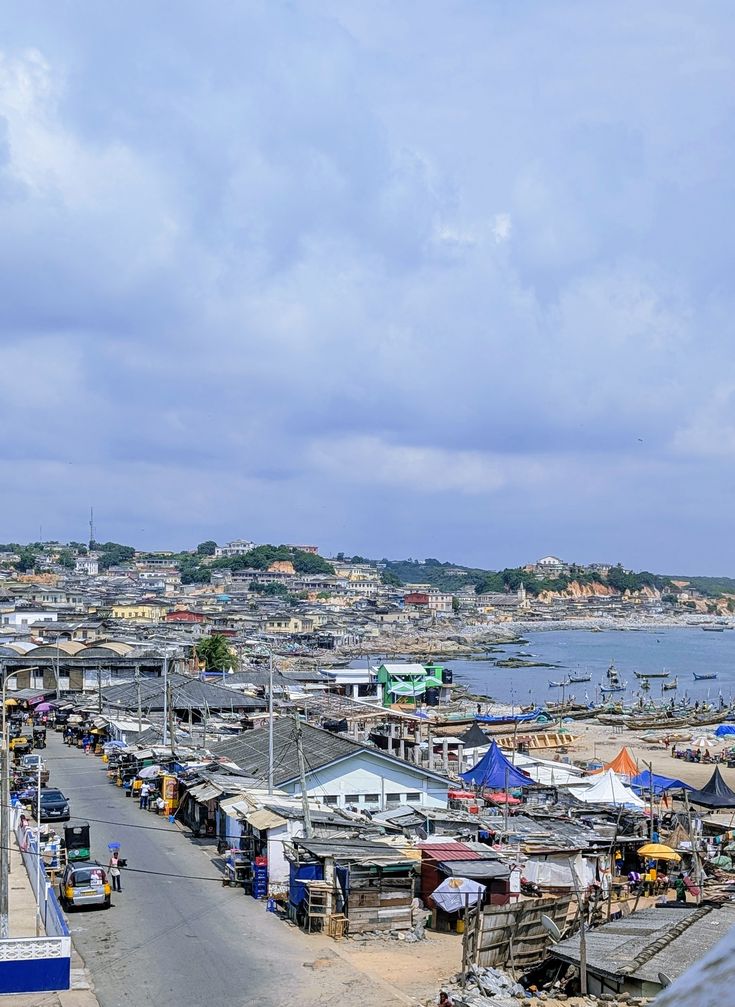
Central Region
state
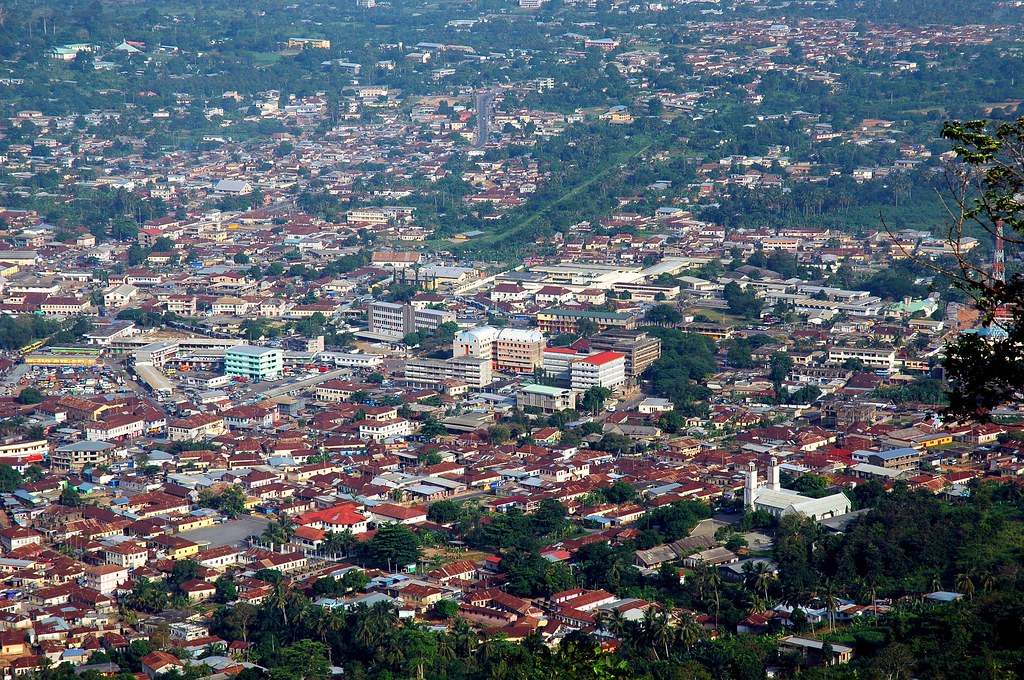
Koforidua
city
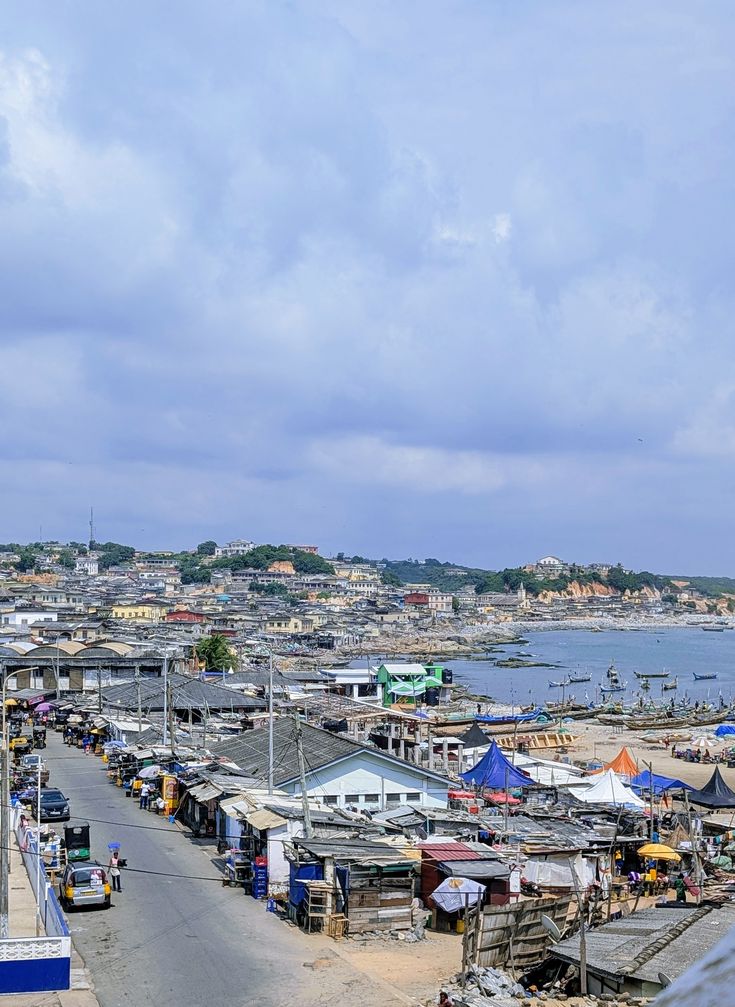
Greater Accra Region
state
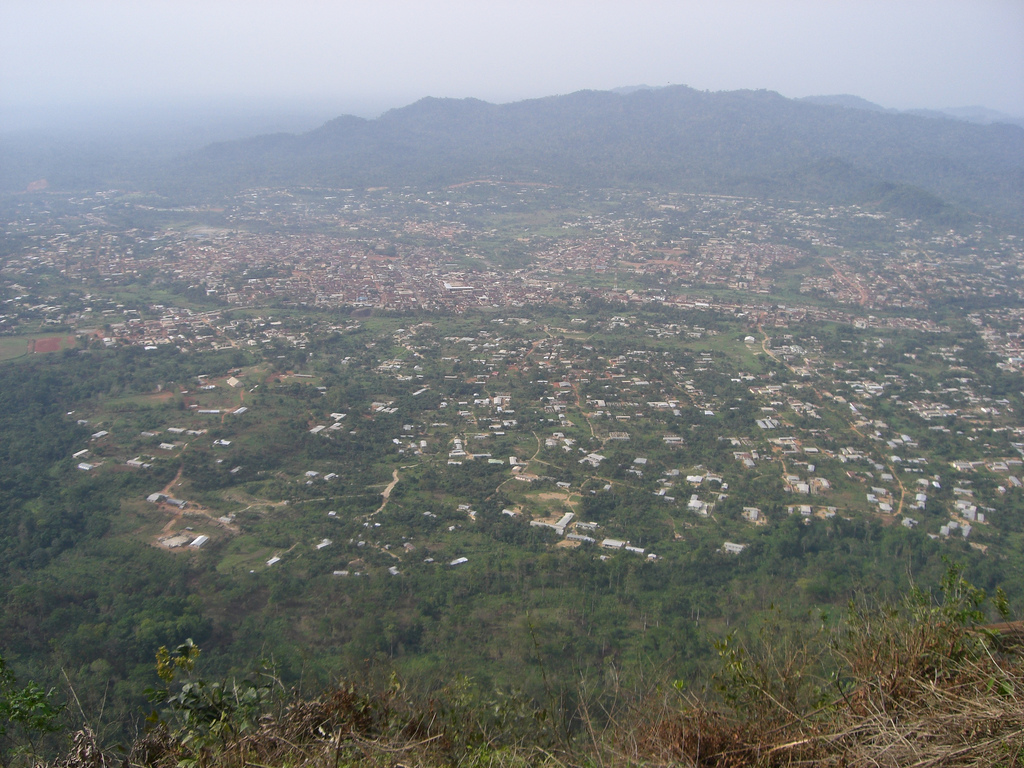
Nkawkaw
town
North East Region
state
Wa
city
Ashanti Region
state
Oti region
state
The Upper East Region
state
Ahafo Region
state
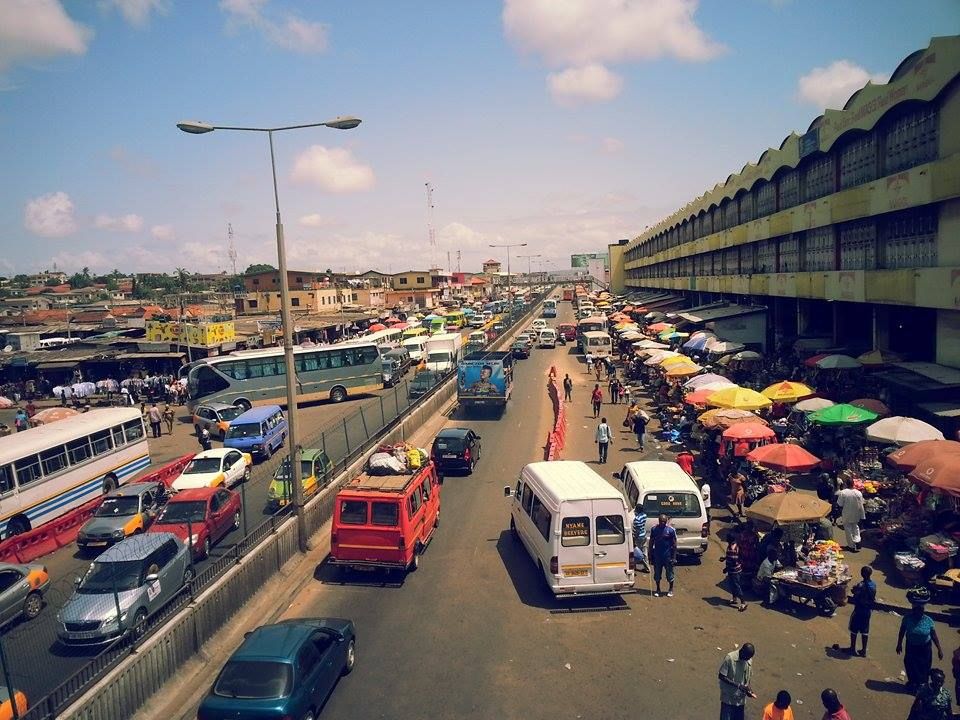
Cape Coast
city
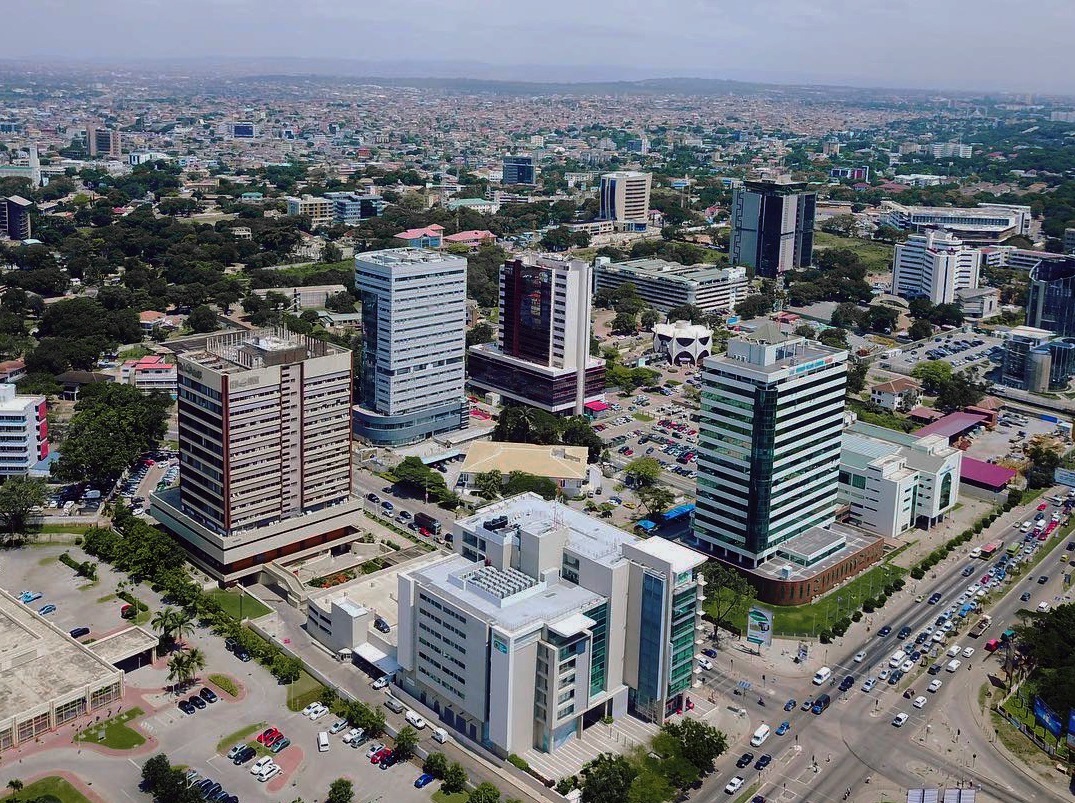
Accra
city
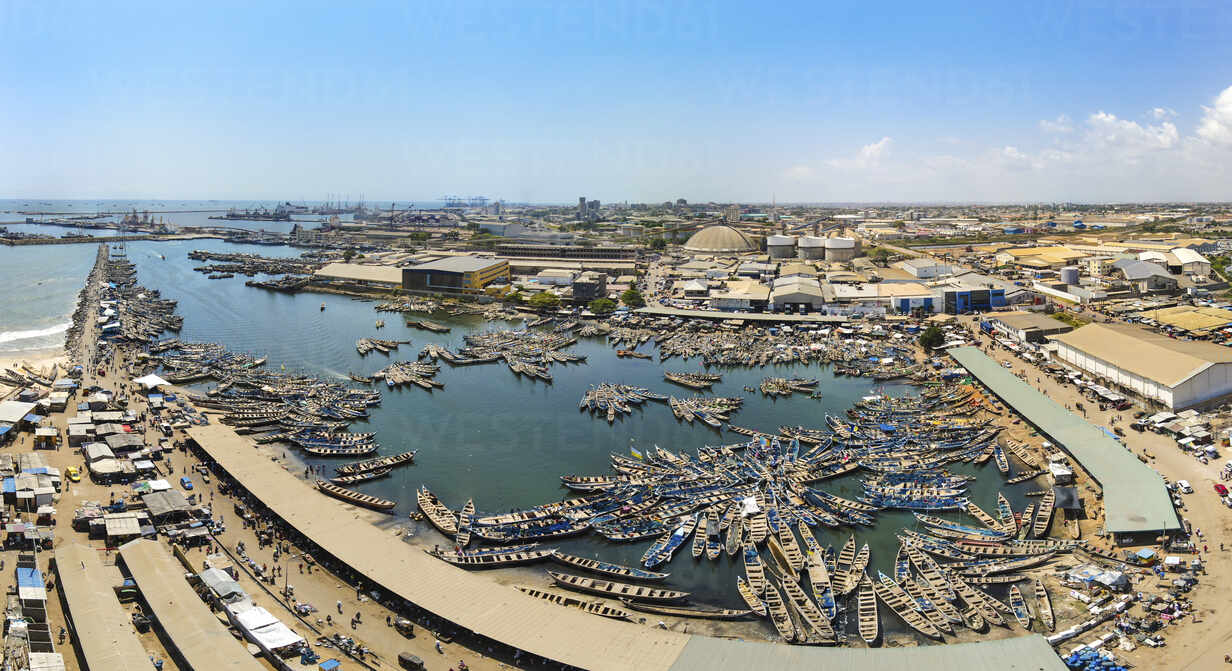
Tema
city
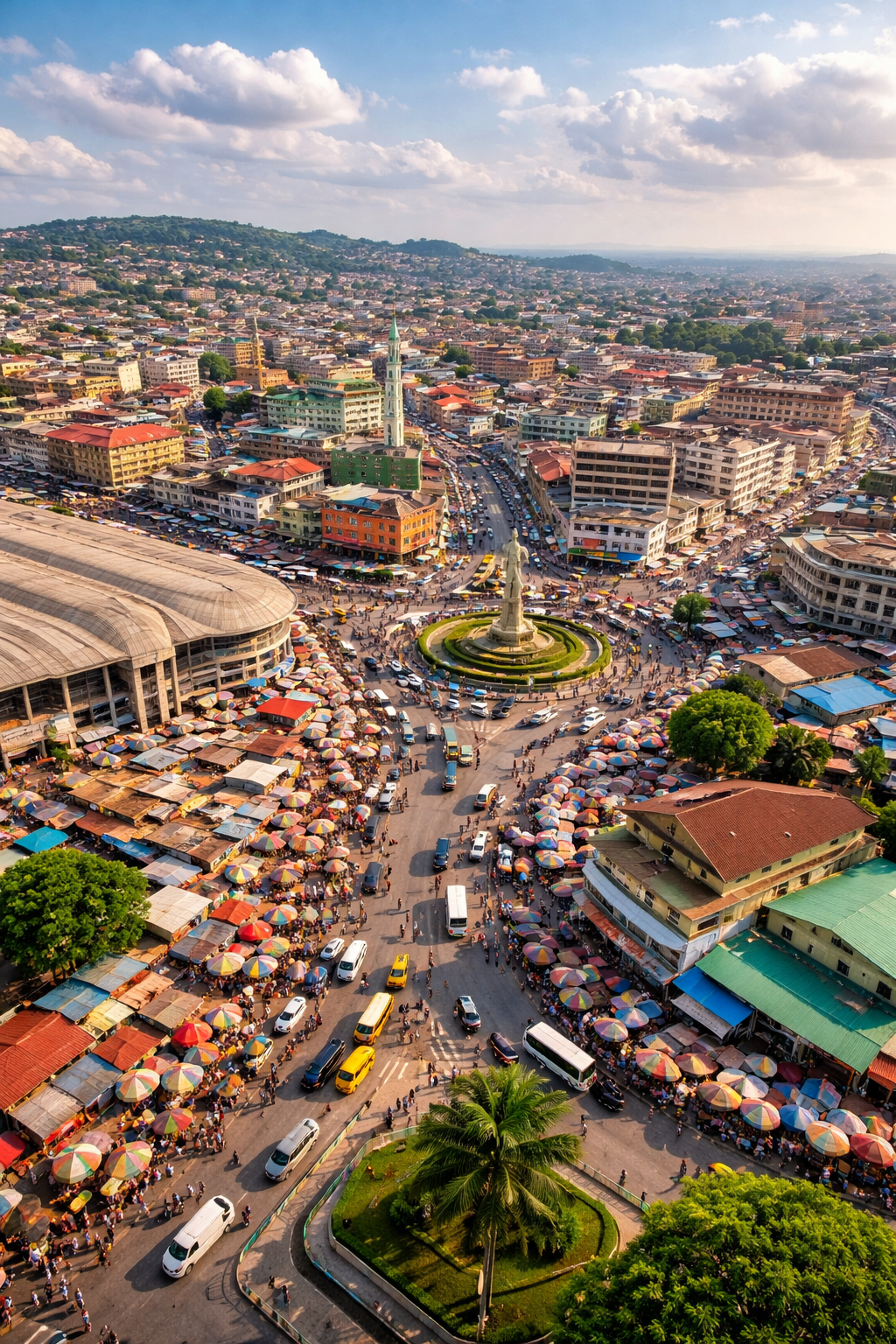
Kumasi
city
Quick Facts
Area
238,533 km²
Climate
Tropical; warm and comparatively dry along southeast coast
Best Time to Visit
November–March (dry season) — coolest, driest months; harmattan haze Dec–Feb. December is peak diaspora season (Detty December); book months ahead. July–August brings PANAFEST/Emancipation Day events in Cape Coast.
Travel Requirements & Info
Visa
Required — e-Visa; visa-free for African Union nationals (since Jan 2025)
Vaccinations
Yellow fever (mandatory, age 9 months+), Malaria prophylaxis (recommended), Hepatitis A, Typhoid
Currency
Ghanaian cedi (GHS)
Time Zone
GMT (UTC+0), no DST
Plug Type
Type D/G, 230V/50Hz
Languages
English, Akan/Twi, Fante, Ga, Ewe, Dagbani, Hausa
Weather
Tropical; dry season Nov–Mar (harmattan haze Dec–Feb), rains Apr–Jun and Sep–Oct.
Entry Requirements
African Union passport holders enter visa-free (effective January 2025). Other nationalities need a visa before travel via the official e-visa portal evisa.immigration.gov.gh (Ghana Immigration Service, gis.gov.gh) or a Ghana mission. Visa on arrival exists only as a pre-approved "emergency entry visa" arranged by a host. Verified 2026-07-01.
Yellow fever vaccination certificate (ICVP "yellow card") is a mandatory condition of entry for travelers aged 9 months and older, checked on arrival. Malaria is present countrywide year-round. Currency: Ghanaian cedi (GHS) — a cash-and-mobile-money economy; Visa/Mastercard accepted at city hotels and malls only; declare amounts over US$10,000. Verified 2026-07-01.
Explore on Map
View Ghana on our interactive map