country
    West Africa

    Nigeria

    Africa's giant — 200+ million people, Nollywood and Afrobeats, ancient kingdoms from Benin to Kano, and the Door of Return at Badagry.

    Capital

    Abuja

    Population

    216.7M

    Languages

    English, Nigerian Pidgin, Hausa

    Currency

    Nigerian naira (NGN)

    Timezone

    WAT (UTC+1) year-round — no daylight saving time

    "Africa at maximum volume — and the ancestral home of the diaspora."

    Best time to visit
    November–February — dry season across most of the country, with harmattan haze Dec–Jan. December is homecoming season in Lagos (book everything early). Rains run ~April–October in the south, June–September in the north.
    Currency
    Nigerian naira (NGN, ₦). Nigeria is a cash-and-transfer economy: instant bank transfers and POS agents handle most daily commerce; international cards work at major hotels, malls and upscale Lagos/Abuja venues but fail often elsewhere — carry naira. Rates float and move quickly (as of mid-2026); change money at banks or licensed bureaux, never street changers. ATMs are common in cities but per-withdrawal limits are low.
    Language
    English is official; Nigerian Pidgin is the street lingua franca; Hausa, Yoruba and Igbo dominate their regions among 500+ languages.
    Getting around
    Main gateways: Lagos (LOS) and Abuja (ABV); Port Harcourt (PHC), Kano (KAN), Enugu (ENU) and Uyo (QUO) add links. Domestic flights (Air Peace, Ibom Air, Arik) are the sane way between regions. In cities: Uber, Bolt and inDrive in Lagos/Abuja; BRT buses and new rail in Lagos; kekes and okadas fill gaps where permitted. Intercity road travel: reputable coach lines, by day only.

    About Nigeria

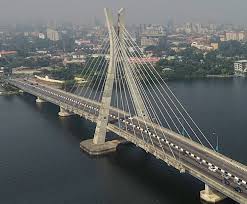
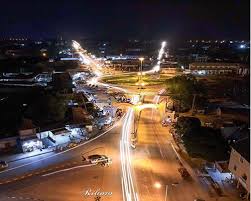
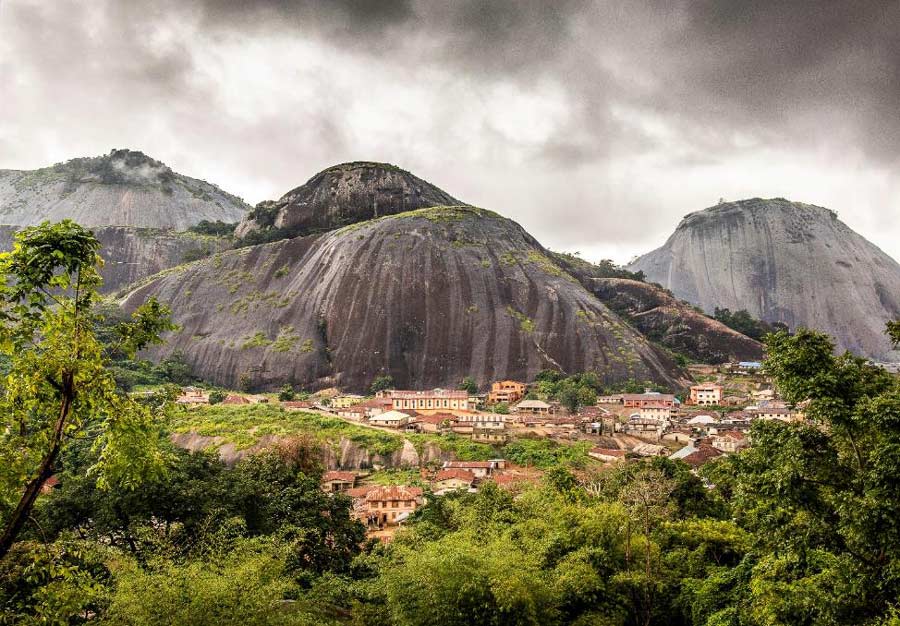
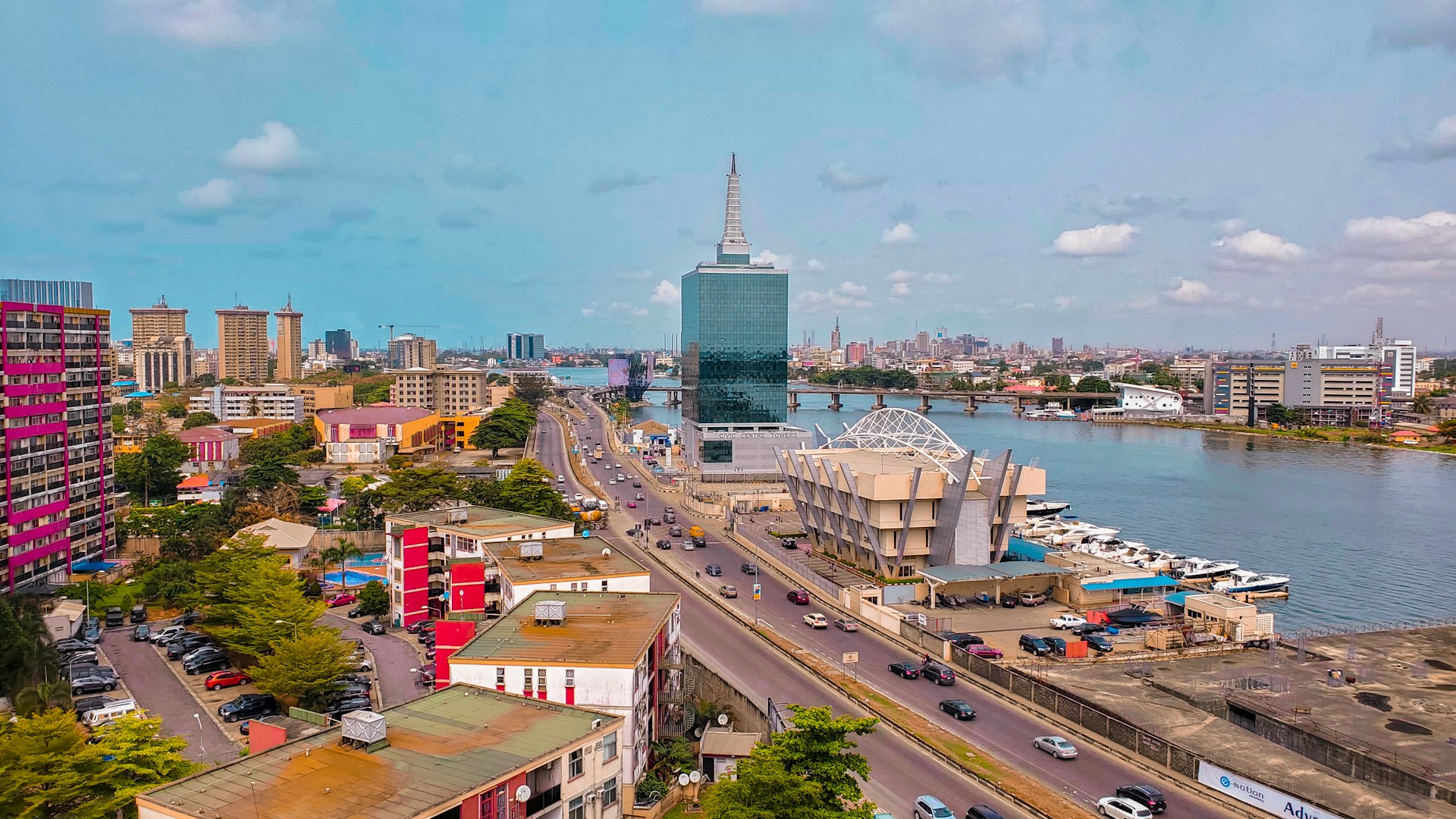
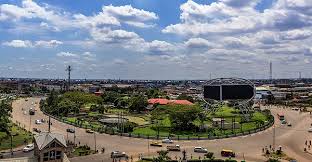
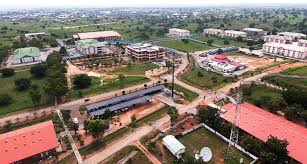
    Nigeria is Africa at maximum volume: the continent's most populous nation, its biggest music and film industries, megacity Lagos, and a cultural inheritance that runs from the Benin bronzes and the Ife heads to the living court of the Oba of Benin. Afrobeats conquered the world from here, and Nollywood releases more films than Hollywood. For heritage travelers, Nigeria is the ancestral homeland of a vast share of the diaspora — Yoruba, Igbo, Edo, Efik-Ibibio and hundreds more peoples whose descendants were carried through ports like Badagry and Calabar. Badagry answers that history directly: its slave-route sites and the symbolic Door of Return (2017) invite descendants back, and December's homecoming season fills Lagos with concerts, weddings and packed flights. Nigeria asks more of a traveler than Ghana — visas, traffic, and security awareness that varies sharply by region — and repays it with unmatched intensity: Lagos nights, Abuja's granite horizons, the sacred groves at Osogbo, tea fields on the Mambilla Plateau, and some of the warmest, funniest hosts on the continent.

    Top experiences

    Badagry slave-route circuit & Door of Return
    Gberefu's Point of No Return, the Seriki Abass Baracoon, and three slave-trade museums.
    Detty December in Lagos
    Afrobeats concerts, beach clubs and the diaspora homecoming at full tilt.
    Benin City's royal quarter
    The Oba's palace, Igun Street bronze casters, and the story of the 1897 looting and the bronzes' return.
    Osun-Osogbo Sacred Grove (UNESCO)
    The Yoruba goddess Osun's forest shrine; festival each August.
    Nike Art Gallery & Lekki Conservation Centre
    Art in towers and a forest canopy walk inside Lagos.
    Abuja's landmarks
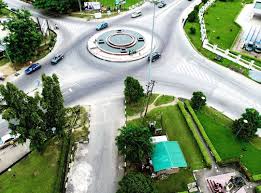
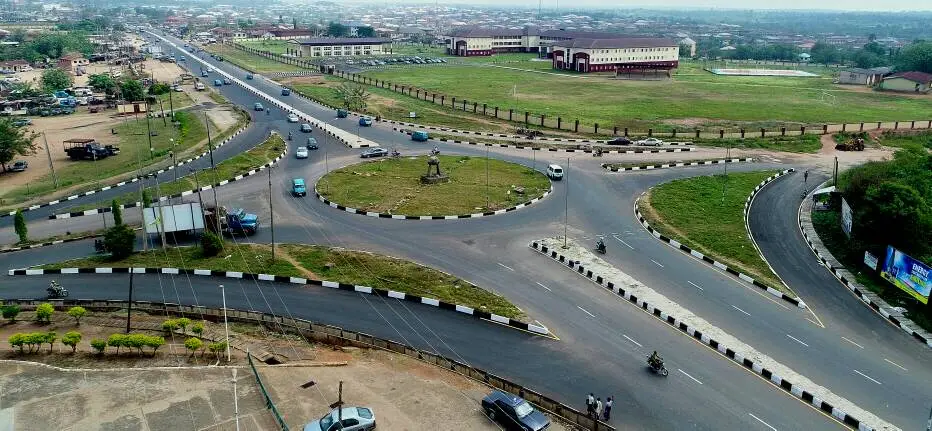
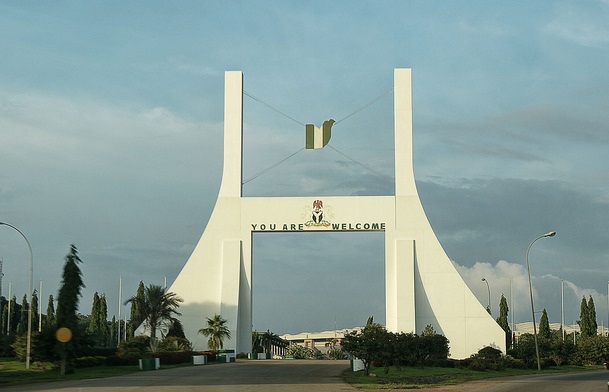
    Aso Rock, the National Mosque and National Christian Centre side by side.
    Mambilla Plateau, Taraba
    Nigeria's alpine roof: tea fields, waterfalls and hiking near Gashaka-Gumti.
    Calabar–Akwa Ibom coast
    Ibeno Beach's endless sand and the Efik-Ibibio cultural heartland.

    Local tips

    • "How far?" is a greeting, not a question about distance — lean into pidgin, it's half the fun.
    • Complete your e-visa and digital landing card online before flying — no visa on arrival since May 2025.
    • Negotiate before entering any taxi or keke; in Lagos, stick to ride-hailing apps at night.
    • Cash is king outside hotels: keep naira in small denominations and guard it discreetly.
    • Dress codes shift with geography — freer in Lagos, conservative in the Muslim north.
    • If you're invited to a Nigerian wedding (owambe), go — and expect aso-ebi matching fabric.

    Safety

    Security varies more by region than almost anywhere in Africa — check your government's current advisory and plan by state, not by country. Lagos, Abuja and the southwest see mostly ordinary big-city risks; parts of the northeast, northwest, middle belt and some southeast areas carry serious advisories. Use reputable local operators, arrange airport pickups, avoid intercity road travel after dark, and register with your embassy for longer stays. Emergency: 112 nationwide (Lagos also 767).

    Frequently asked

    About Nigeria

    Nigeria, Africa's most populous nation, pulses with energy, creativity, and cultural diversity. From the bustling streets of Lagos to ancient kingdoms and lush rainforests, Nigeria offers a dynamic mix of urban excitement, rich traditions, and natural wonders.

    Quick Facts

    Area

    923,768 km²

    Climate

    Varies; equatorial in south, tropical in center, arid in north

    Best Time to Visit

    November–February — dry season across most of the country, with harmattan haze Dec–Jan. December is homecoming season in Lagos (book everything early). Rains run ~April–October in the south, June–September in the north.

    Travel Requirements & Info

    Visa

    Required — e-Visa (visa-free for ECOWAS nationals); no visa on arrival since May 2025; digital landing card required

    Vaccinations

    Yellow fever (checked on arrival, age 9 months+), Malaria prophylaxis, Hepatitis A, Typhoid, Polio (per current requirements)

    Currency

    Nigerian naira (NGN)

    Time Zone

    WAT (UTC+1), no DST

    Plug Type

    Type D/G, 230V/50Hz

    Languages

    English, Nigerian Pidgin, Hausa, Yoruba, Igbo

    Weather

    Dry season Nov–Feb (harmattan Dec–Jan); rains ~Apr–Oct in the south, Jun–Sep in the north.

    Entry Requirements

    ECOWAS nationals enter visa-free. Most others apply online via the official e-visa portal (evisa.immigration.gov.ng) — decisions typically within ~48 hours; visa on arrival was discontinued in May 2025. ALL foreign visitors must also complete the digital landing/exit card at lecard.immigration.gov.ng before travel. See immigration.gov.ng. Verified 2026-07-01.

    Carry a valid yellow fever certificate (ICVP) — Port Health checks it on arrival; recommended for travelers 9 months+. Nigeria is a cash-and-bank-transfer economy: international cards work only at major hotels/malls, so carry naira (exchange at banks/licensed bureaux, never street changers). SECURITY VARIES SHARPLY BY REGION — check current official advisories and plan state by state; avoid intercity road travel after dark. Emergency: 112 nationwide. Verified 2026-07-01.

    Explore on Map

    View Nigeria on our interactive map