state
    East Africa

    Narok County (Maasai Mara)

    Home of the Maasai Mara — the Great Migration, big cats at density found nowhere else, and living Maasai culture.

    Population

    1.2M

    Languages

    Maa (Maasai), Swahili, English

    Currency

    Kenyan Shilling (KES)

    Timezone

    East Africa Time (EAT, UTC+3) — no daylight saving

    "Kenya's crown jewel — where a million wildebeest cross and the big cats never leave."

    Best time to visit
    July–October for the Migration and river crossings (peak prices, US$200/day non-resident park fee). January–June is the green/low season — half-price park fees (US$100/day), newborn wildlife, dramatic skies, fewer vehicles. March–May rains can slow game drives but reward photographers.
    Currency
    Kenyan Shilling (KES) day-to-day; Maasai Mara reserve fees are quoted in US dollars and are cashless — paid by card or mobile money through the official masaimara.ke system. Camps and lodges accept cards; carry KES or M-Pesa for curios, village visits and tips (M-Pesa reaches most of the Mara).
    Language
    Maa (Maasai), Swahili and English; learn "supa" (Maa hello).
    Getting around
    Fly-in is standard: ~45-minute Safarilink/AirKenya hops from Nairobi Wilson (WIL) to airstrips like Keekorok, Ol Kiombo and Musiara. By road, Nairobi–Narok–Sekenani gate runs 5–6 hours. Inside the reserve you travel in your camp's 4x4 with a guide; self-drive is possible but not recommended for first-timers. Note strict ~15 kg soft-bag limits on light aircraft. Drive on the left.

    About Narok County (Maasai Mara)

    Narok County is Maasai country, and its southern grasslands hold Kenya's crown jewel: the Maasai Mara National Reserve, the northern reach of the Serengeti ecosystem. Between roughly July and October, more than a million wildebeest and hundreds of thousands of zebra surge across the Mara River in the Great Migration's most dramatic chapter — but the Mara is no one-season wonder. Its resident lion prides, leopards, cheetahs, elephants and black rhino make it arguably the most reliable big-cat destination in Africa, any month of the year. Around the reserve, community-owned conservancies — Naboisho, Olare Motorogi, Mara North and others — lease Maasai land for low-density safari tourism, sharing revenue with thousands of landowner families. They offer what the reserve can't: night drives, walking safaris, and far fewer vehicles at sightings. Choosing a conservancy camp is both a better safari and a direct investment in Maasai livelihoods. Narok town, the county capital, is the road gateway (about 5–6 hours' drive from Nairobi; most visitors fly 45 minutes from Wilson to the Mara's airstrips). Beyond the safari circuit, the county climbs to the Mau forest and the Loita Hills, where Maasai communities keep ceremonial traditions largely out of tourism's view.

    Top experiences

    Great Migration river crossings
    At the Mara River, roughly July–October.
    Big-cat game drives
    The Mara's lion, cheetah and leopard density is world-famous.
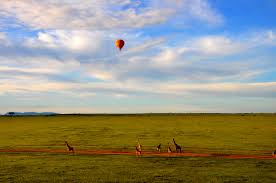
    Dawn hot-air balloon safari
    Over the plains, with a champagne bush breakfast.
    Community conservancies
    Naboisho, Olare Motorogi, Mara North — walks, night drives and fewer vehicles.
    Maasai cultural visits
    Manyattas, beadwork cooperatives, warrior traditions.
    Mara–Serengeti birding
    450+ species, from lilac-breasted rollers to martial eagles.
    Photographic hides & specialist camps
    For serious wildlife photography.

    Local tips

    • Book conservancy camps for night drives, bush walks and thinner crowds — the reserve forbids off-road and night driving.
    • The park ticket is valid 12 hours (~6am–6pm); plan full days; road-exit guests should leave by mid-morning to avoid a second day's fee.
    • January–June halves the non-resident park fee (US$100 vs US$200) — the "secret season" for value.
    • Balloon safaris launch at dawn (book ahead); the bush breakfast is worth the early call.
    • Visit a Maasai manyatta through your camp so payment reaches the community; ask before photographing anyone.
    • Pack a real jacket — Mara mornings at 1,600 m+ are cold, especially June–August.

    Safety

    The safari circuit is very safe in human terms — risks are wildlife-related and managed by professional guides: stay in the vehicle except at designated points, keep tent zips closed, and follow camp escort rules after dark. Roads to the Mara are long and rough in stretches; reputable operators matter. Emergency: 999/112; camps carry radios and evacuation cover (check your travel insurance includes air evacuation).

    Frequently asked

    About Narok County (Maasai Mara)

    Home of the Maasai Mara — the Great Migration, big cats at density found nowhere else, and living Maasai culture.

    Places to Explore
    Quick Facts

    Best Time to Visit

    July–October for the Migration and river crossings (peak prices, US$200/day non-resident park fee). January–June is the green/low season — half-price park fees (US$100/day), newborn wildlife, dramatic skies, fewer vehicles. March–May rains can slow game drives but reward photographers.

    Travel Requirements & Info

    Visa

    Not required

    Currency

    Kenyan Shilling (KES)

    Time Zone

    EAT (UTC+3), no DST

    Plug Type

    Type G, 240V/50Hz

    Languages

    Maa, Swahili, English, Kalenjin, Kikuyu

    Weather

    Great Migration Jul–Oct; green/low season Jan–Jun (half-price park fees); rains Mar–May. Cold mornings at 1,600 m+ (Jun–Aug).

    Entry Requirements

    Kenya's national rules apply — eTA via etakenya.go.ke; most African citizens exempt as of mid-2026. See the Kenya country entry. Verified 2026-07-01.

    Maasai Mara reserve fees (as of 2026): non-resident adults US$100/day Jan–Jun and US$200/day Jul–Dec (children 9–17 US$50), valid 12 hours, CASHLESS via the official masaimara.ke system. Wildlife-related safety is guide-managed — stay in the vehicle except at designated points, follow camp escort rules after dark. Roads are long and rough; use reputable operators; ensure insurance covers air evacuation. Pack a warm jacket for cold mornings. Emergency 999/112. Verified 2026-07-01.

    Explore on Map

    View Narok County (Maasai Mara) on our interactive map