country
    North Africa

    Morocco

    Where Africa meets the Atlantic, the Atlas, and the Sahara — Amazigh heritage, imperial medinas, and mint-tea hospitality at the continent's northwest gate.

    Capital

    Rabat

    Population

    36.8M

    Languages

    Arabic, Tamazight (Amazigh), French

    Currency

    Moroccan dirham (MAD)

    Timezone

    UTC+1 year-round (no seasonal DST since 2018); clocks shift to UTC+0 during Ramadan

    "Africa's northwest threshold — and a hinge of trans-Saharan history."

    Best time to visit
    Spring (March–May) and autumn (September–November) are ideal nearly everywhere: Marrakech and Fes at 22–30°C, the coast mild, the Atlas green or golden. Summer (Jun–Aug) tops 38°C inland (coast and mountains stay comfortable); winter is mild by day but cold at night inland and snowy in the Atlas. The Sahara is best October–April.
    Currency
    Moroccan dirham (MAD) — a closed currency: you cannot legally take more than MAD 2,000 in or out, so exchange on arrival and spend down or reconvert before departure (keep receipts). Cash rules the medinas, souks and taxis; cards are fine in riads, hotels, supermarkets and upscale restaurants. ATMs are plentiful in cities.
    Language
    Arabic and Tamazight (Amazigh) are official; Darija (Moroccan Arabic) is the vernacular; French is widely used in business and signage; Spanish in the north; English is rising fast in tourism.
    Getting around
    Air gateways: Casablanca Mohammed V (CMN, the intercontinental hub), Marrakech (RAK), Fes (FEZ), Rabat (RBA), Tangier (TNG), Agadir (AGA). ONCF's Al Boraq — Africa's first high-speed rail — links Tangier–Rabat–Casablanca at up to 320 km/h; classic trains continue to Marrakech (~3 hrs) and Fes; a high-speed extension toward Marrakech is under construction (~2029). CTM and Supratours coaches cover the rest. In cities: metered petit taxis, Casablanca's tram, and ride-hailing (inDrive, Heetch); grands taxis ply intercity routes.

    About Morocco

    Morocco is Africa's northwest threshold — a kingdom where Amazigh (Berber), Arab, African, Andalusi and Jewish histories braid together in medinas that have barely changed shape in a thousand years. Four imperial cities — Fes, Marrakech, Meknes and Rabat — hold dynastic architecture from the Idrisids to the Alaouites, who still reign. Beyond the city walls: the High Atlas snow-capped into spring, Atlantic surf towns, blue-washed Chefchaouen, and the Sahara's ergs rolling gold at Merzouga. For diaspora travelers, Morocco's African connections run deep and are too often under-told. Trans-Saharan caravans bound Marrakech and Fes to Timbuktu and the Sahel for centuries, moving gold, salt, books, and — honestly — enslaved people, whose descendants shaped Gnawa culture: a Black Moroccan spiritual music tradition now on UNESCO's intangible heritage list and celebrated each year at Essaouira's Gnaoua World Music Festival. Morocco is also simply easy to love: tagines and Friday couscous, riad courtyards behind plain doors, the call to prayer over terracotta rooftops, and a national talent for hospitality. High-speed rail, Africa's first, links Tangier to Casablanca — with a Marrakech extension under construction ahead of the 2030 World Cup Morocco co-hosts.

    Top experiences

    Jemaa el-Fnaa at dusk, Marrakech
    The nightly carnival UNESCO lists as intangible heritage.
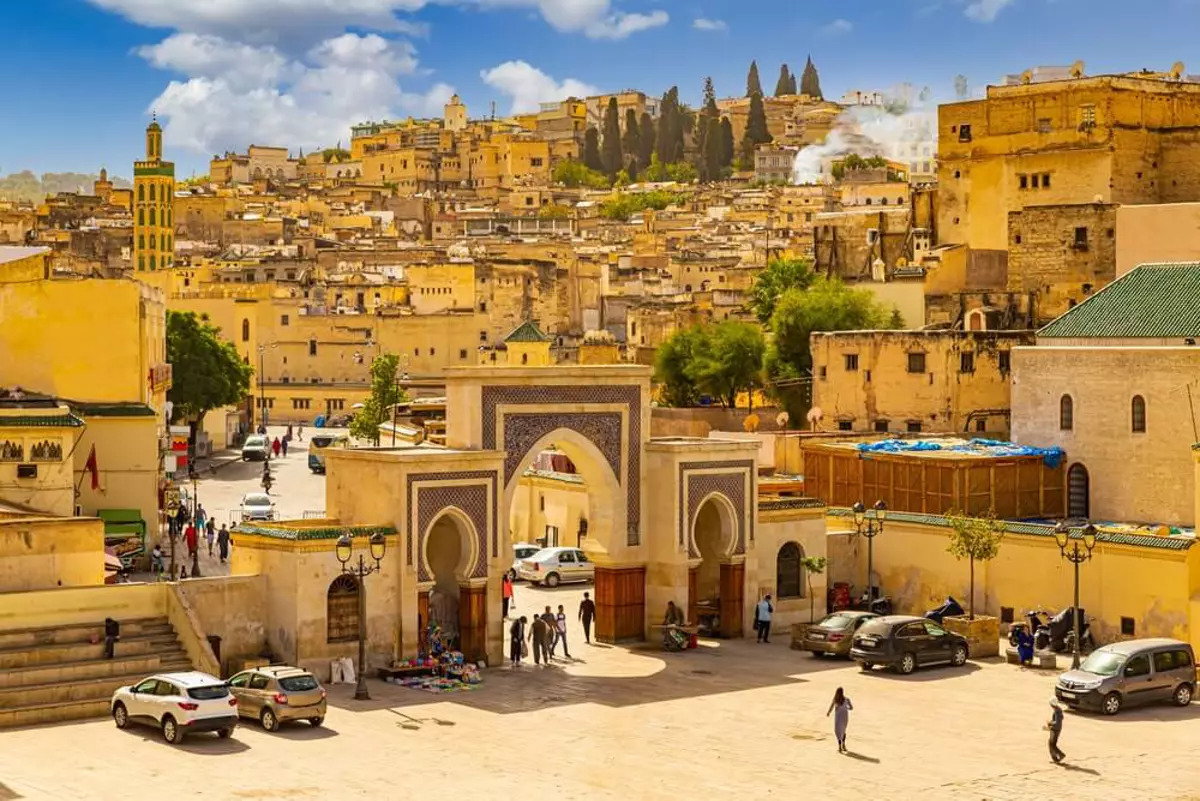
    Fes el-Bali
    The world's largest living medieval medina and car-free maze.
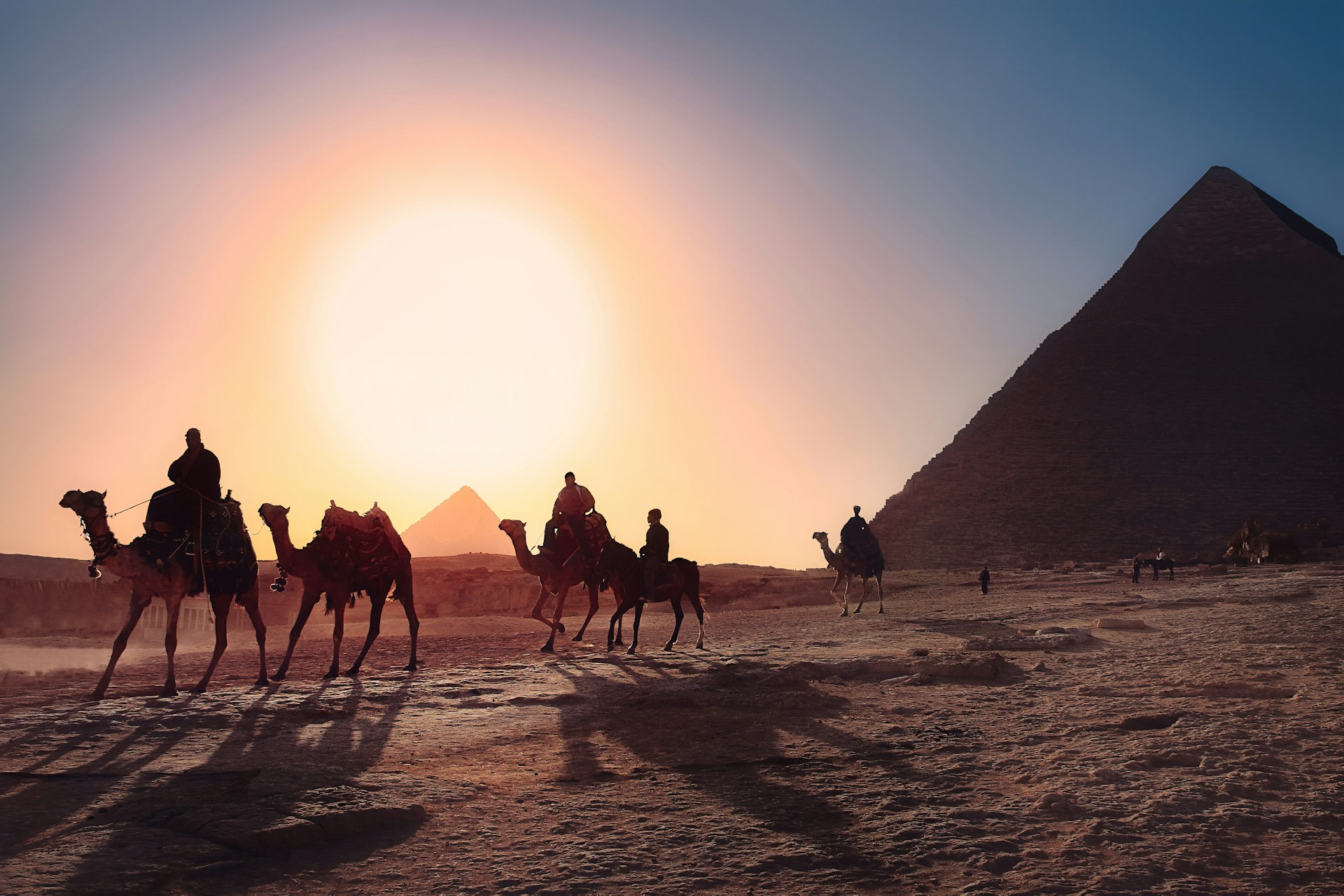
    A Sahara night at Erg Chebbi (Merzouga)
    Camel trek, Amazigh drumming, impossible stars.
    Hassan II Mosque, Casablanca
    A minaret over the Atlantic, open to non-Muslim visitors.
    Chefchaouen
    The blue city of the Rif.
    High Atlas trails around Imlil
    Amazigh villages beneath Toubkal (4,167 m).
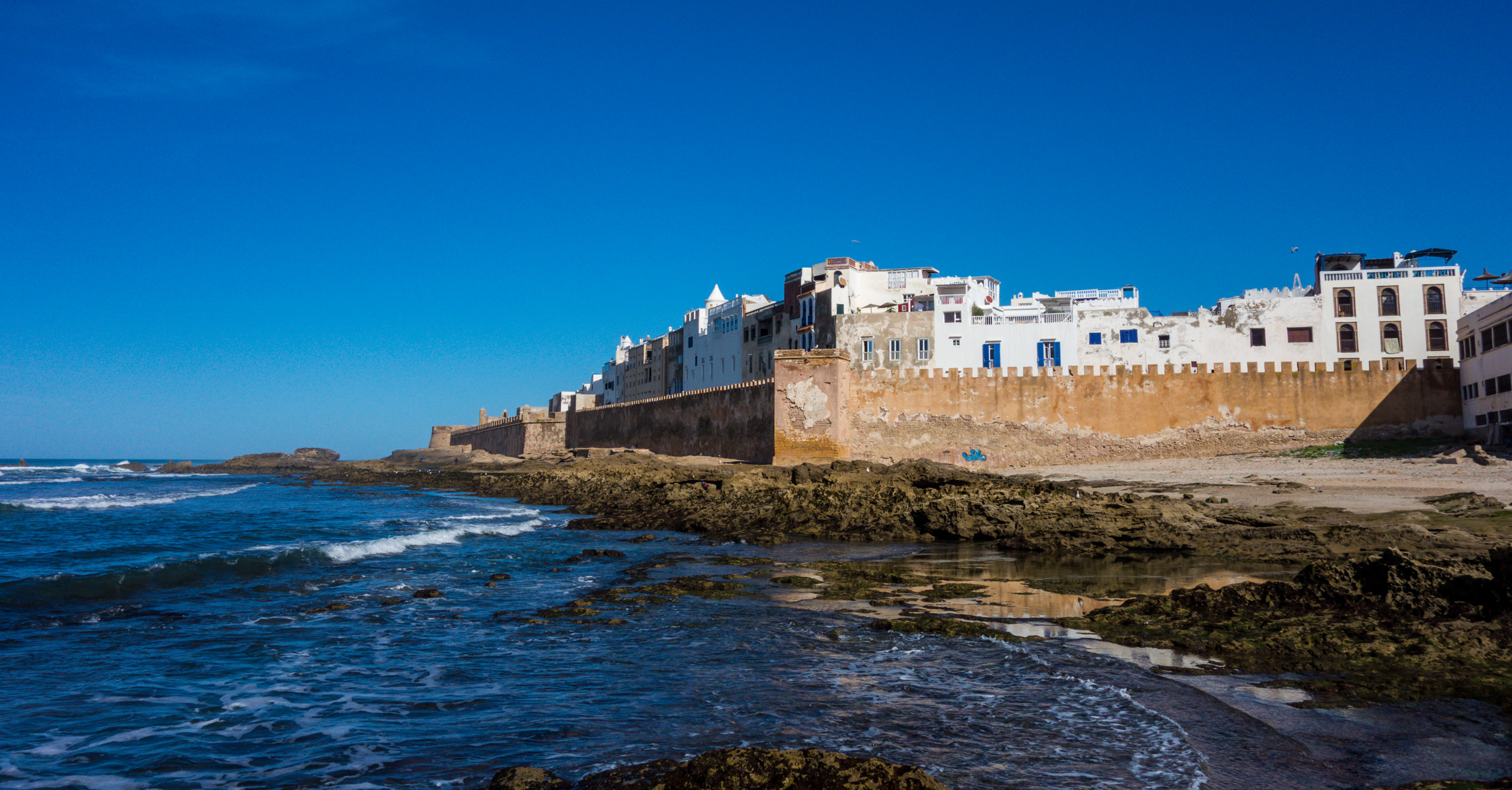
    Essaouira
    Ramparts, fishing port, and the Gnaoua music scene.
    Aït Benhaddou
    The ksar and the Ounila Valley kasbah route.

    Local tips

    • Learn the medina rule: if a stranger insists your riad/attraction is "closed," it isn't — keep walking.
    • Bargain in souks with humour and patience; a third to half the opening price is a normal landing.
    • Friday couscous is a family institution — the small restaurants open at midday serve the week's best meal.
    • Dress modestly outside beach resorts; it earns warmth everywhere, especially in Fes.
    • Mosques are generally closed to non-Muslims — Casablanca's Hassan II is the grand exception (guided tours).
    • Book desert circuits with licensed operators; the Marrakech–Merzouga run deserves 2 nights minimum.

    Safety

    Morocco carries a US State Dept Level 2 advisory (mid-2026) — the same tier as much of Western Europe. Violent crime against tourists is rare; pickpocketing, faux guides and medina overcharging are the realistic issues. Solo women travelers report persistent attention in some medinas — firm politeness works. Emergency: 19 (city police), 177 (Royal Gendarmerie, rural), 15 (ambulance/fire), 112 from mobiles. Tourist police operate in the main cities.

    Frequently asked

    About Morocco

    Morocco enchants with its imperial cities, vibrant souks, Saharan dunes, and Atlas Mountain kasbahs. A crossroads of African, Arab, and European cultures.
    Quick Facts

    Area

    446,550 km²

    Climate

    Mediterranean becoming more extreme in the interior

    Best Time to Visit

    Spring (March–May) and autumn (September–November) are ideal nearly everywhere: Marrakech and Fes at 22–30°C, the coast mild, the Atlas green or golden. Summer (Jun–Aug) tops 38°C inland (coast and mountains stay comfortable); winter is mild by day but cold at night inland and snowy in the Atlas. The Sahara is best October–April.

    Travel Requirements & Info

    Visa

    Not required

    Currency

    Moroccan dirham (MAD)

    Time Zone

    UTC+1 year-round (UTC+0 during Ramadan); no seasonal DST since 2018

    Plug Type

    Type C/E, 220V/50Hz

    Languages

    Arabic (Darija), Tamazight (Amazigh), French, Spanish, English

    Weather

    Spring (Mar–May) and autumn (Sep–Nov) ideal (22–30°C interior); Jun–Aug frequently >38°C in Marrakech/Fes (coast & mountains stay mild); Sahara best Oct–Apr.

    Entry Requirements

    Around 70 nationalities — incl. the US, UK, EU, Canada, Australia and many African states (Senegal, Côte d'Ivoire, Mali, Niger, Guinea, Tunisia, Algeria, Gabon and others) — enter visa-free, typically 90 days. Others apply for the e-visa via the official portal acces-maroc.ma. An AEVM travel authorization has applied to some visa-exempt African nationalities and rules shifted in early 2026 — verify with a Moroccan consulate before booking. Passport valid 6 months. Verified 2026-07-01.

    The dirham is a CLOSED currency — you cannot legally take more than MAD 2,000 in or out, so exchange on arrival and spend down or reconvert (keep receipts) before departure. Cash rules medinas, souks and taxis; cards fine in riads, hotels and upscale restaurants. Malaria risk is negligible on all tourist circuits. Medina street rule: if a stranger insists your riad/attraction is "closed," it isn't — keep walking; hire only badge-carrying official guides. For the diaspora, the Gnawa tradition (Black Moroccan spiritual music, UNESCO-listed) is a powerful entry point. Emergency 19 (city police) / 177 (gendarmerie) / 15 (ambulance) / 112 mobile. Verified 2026-07-01.

    Explore on Map

    View Morocco on our interactive map