In Yorubaland, hair is never just hair. It carries meaning, memory, and message. Long before mirrors became common household items, hairstyles already served as mirrors of identity, reflecting status, belief, age, occupation, and even intention.
To touch a person’s hair was to touch their essence, which explains why the Yoruba say a person’s hair should never be plaited or cut without consent. The head is personal. The hair is symbolic.
Across towns and centuries, Yoruba hair culture has evolved as a living art form. It blends beauty with communication, spirituality with daily life. Below are some of the most enduring Yoruba hairstyles, each one shaped by history and social meaning, not fashion trends alone.
1. Suku: The Crowned Center of Beauty
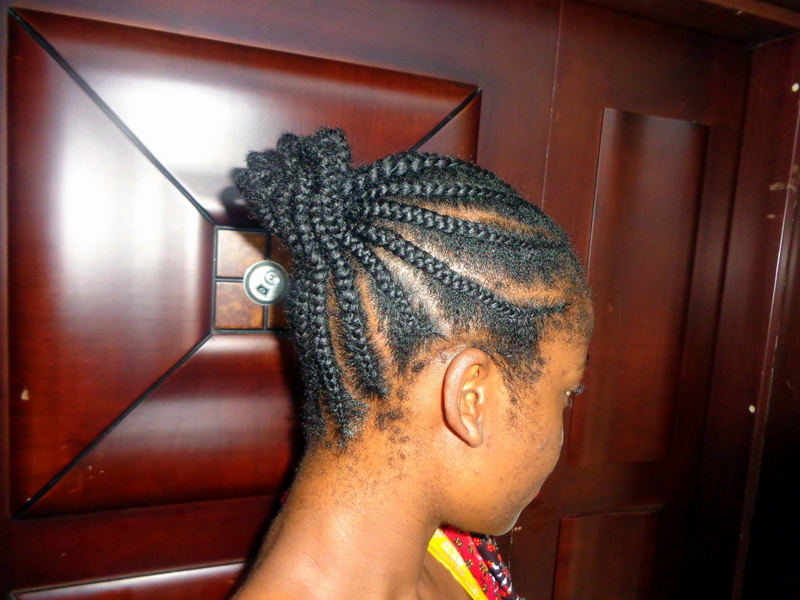
Suku is one of the most recognisable Yoruba hairstyles, defined by braids that move from every direction toward the crown of the head. From the forehead, sides, and back, the hair converges at a central point, creating a raised knot or cluster.
Historically, suku was worn by women of status, including queens and noblewomen. The style drew attention to the head’s center, reinforcing the Yoruba belief that the head is sacred and powerful. Variations like Suku Ologede, created using a resting or sleeping technique, showed how innovation thrived even within tradition.
Today, suku remains popular because it balances structure with elegance. It frames the face while asserting presence, a reminder that beauty in Yoruba culture is deliberate, not accidental.
2. Koroba: Beauty Shaped Like a Vessel
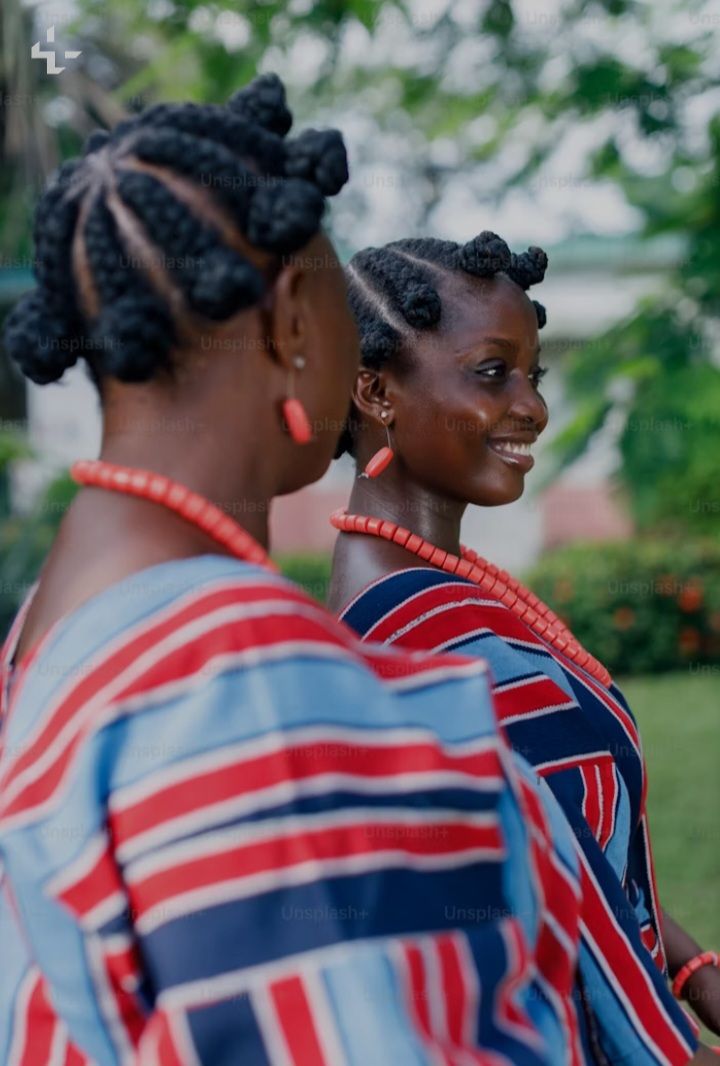
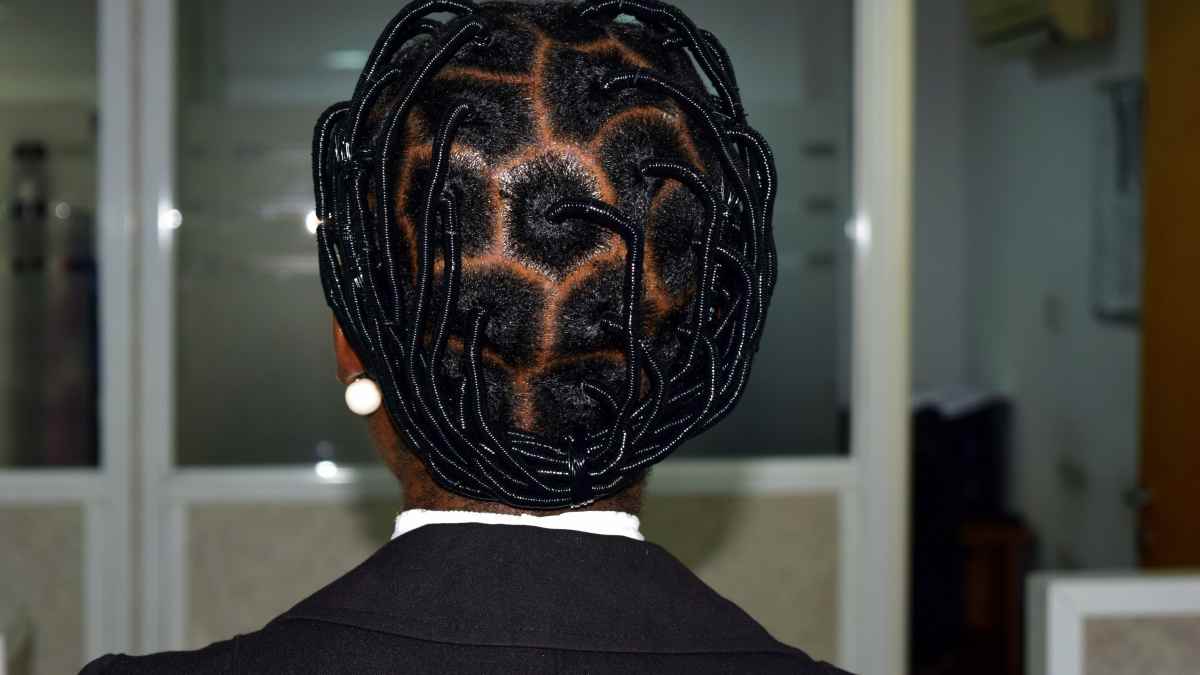
Koroba takes its name from the calabash, a vessel central to Yoruba daily and ritual life. The hairstyle mimics an inverted bowl, with braids flowing outward from the scalp’s center toward the edges, often finished with knots or beads.
This style highlights the sculptural imagination of Yoruba hairdressers. Hair was treated like clay, shaped to echo familiar objects from everyday life. Koroba was not only decorative but symbolic, suggesting fullness, containment, and maturity.
Worn mainly by women, koroba communicated readiness, elegance, and composure. It also showed how hairstyling functioned as a visual language, translating cultural objects into wearable art.
3. Kolese: When Hair Refused to Stand
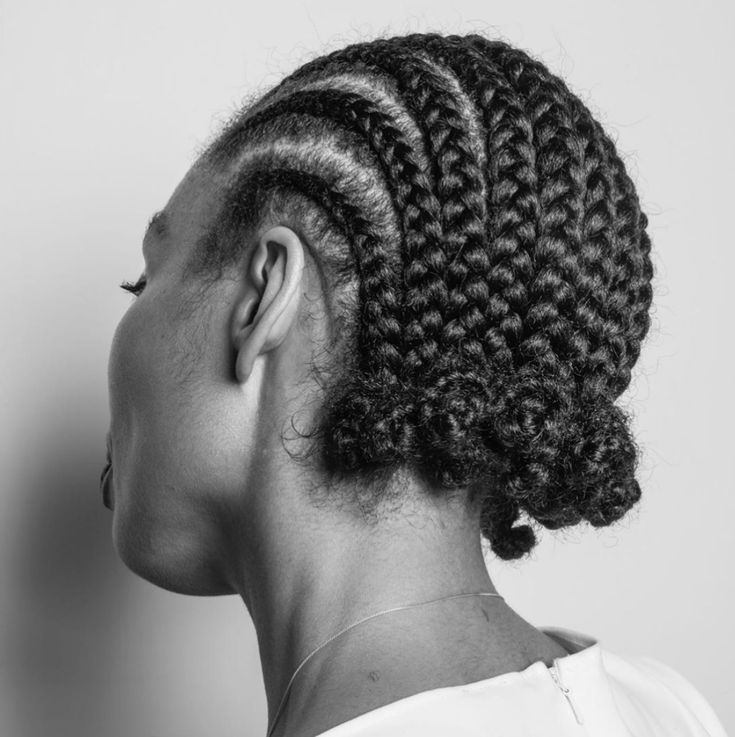
Kolese literally means “without legs,” a name inspired by the natural curl and coil of Yoruba hair. In precolonial times, women’s hair did not hang straight or stand upright at the ends. Instead, it curled back on itself, giving rise to a style where cornrows ran neatly toward the nape of the neck, curling softly at the tips.
Kolese spread widely across Yorubaland because it suited both everyday life and ceremonial occasions. It required skill but not excess, making it accessible and elegant.
The style quietly celebrates natural texture. Rather than fighting the hair’s nature, kolese works with it, reflecting a broader Yoruba philosophy of harmony with one’s given form.
4. Ipako Elede: A Style Slowly Disappearing
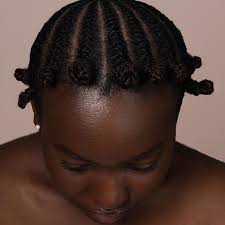
Ipako Elede, meaning “the back of a pig’s head,” is a style where cornrows begin from the back of the head and move forward toward the forehead. The name comes from the rounded, slightly exposed look it creates at the back.
Once common, this hairstyle is now rarely seen. Many women today dislike how it reveals the back of the head, especially under modern beauty standards. Its decline reflects how cultural practices change with perception and preference.
Yet, Ipako Elede remains important as a historical marker. It shows that Yoruba hairstyles were never meant only to flatter. Some existed to signify age, humility, or conformity to communal norms.
5. Panumo: A Hairstyle That Spoke Without Words
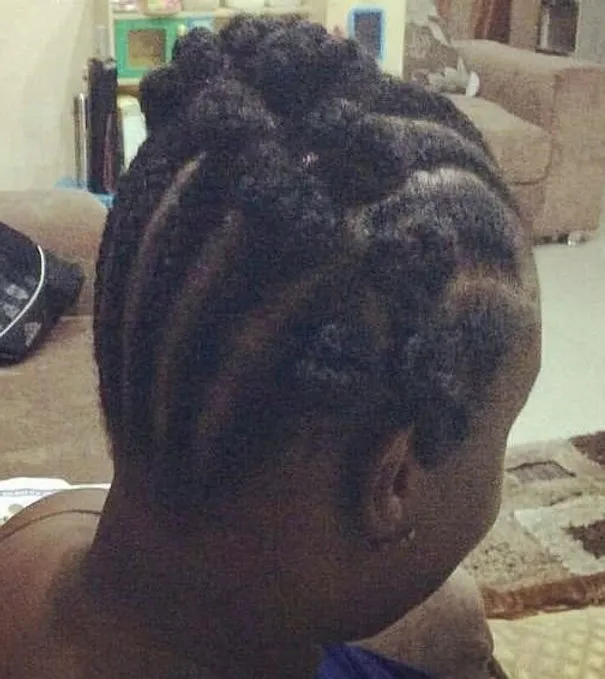
Panumo translates to “keep quiet,” and the hairstyle lives up to its name. Cornrows begin from different points on the head and meet at the crown, leaving a small opening that resembles a mouth.
This was not coincidence. Yoruba hairstyles often carried coded messages. Panumo could signal discretion, restraint, or silence during sensitive periods. It reflects how hair was used as subtle communication, especially for women whose voices were often regulated by social rules.
Panumo shows that Yoruba hair culture was as expressive as speech, sometimes even more powerful because it endured silently.
6. Orisabunmi: Hair as Divine Gift
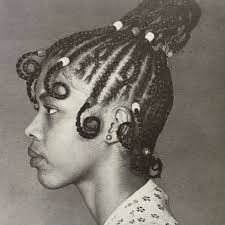
Orisabunmi means “gift from the deity.” The style is linked to a famed female diviner who popularised it, giving the hairstyle both spiritual and personal significance.
Closely related to palace styles, Orisabunmi was worn by women associated with religious or divinatory roles. It emphasized neat partings and symmetrical design, reflecting balance and order.
This hairstyle reminds us that Yoruba hair culture is inseparable from spirituality. Certain styles were not fashion choices but sacred markers, reserved for specific callings and responsibilities.
7. Agogo: When Hair Declared Status
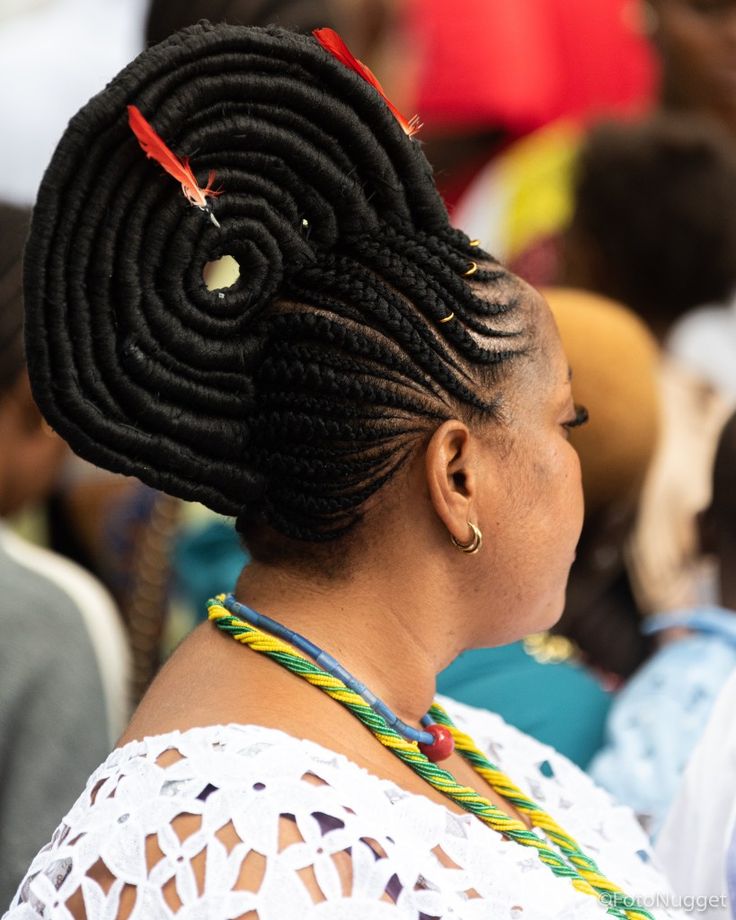
Agogo, inspired by a rooster’s comb, is bold and upright. Women who wore this style were often married or belonged to religious cults dedicated to deities like Sango, Osun, Esu, or Oya.
The hairstyle functioned as a public declaration. Without words, it announced marital status or spiritual affiliation. In a society where visual cues mattered deeply, Agogo made identity visible from afar.
Its dramatic shape also reflects the confidence of Yoruba hairstyling. Hair was not meant to disappear into the background. It was meant to be seen, recognised, and respected.
Hairstyles That Spoke Relationships
Some Yoruba hairstyles carried names that directly referenced relationships and domestic life. Styles like Kojusoko, meaning “face your husband,” and Keyinsoko, meaning “turn your back to your husband,” reveal how hair could comment on marriage dynamics.
Others like Iyawo Osingin marked newly married women, while Aarinomonimasun expressed maternal pride. These names transformed hairstyles into narratives, telling stories about family, loyalty, and personal circumstance.
Hair became a public diary, readable to those who understood its language.
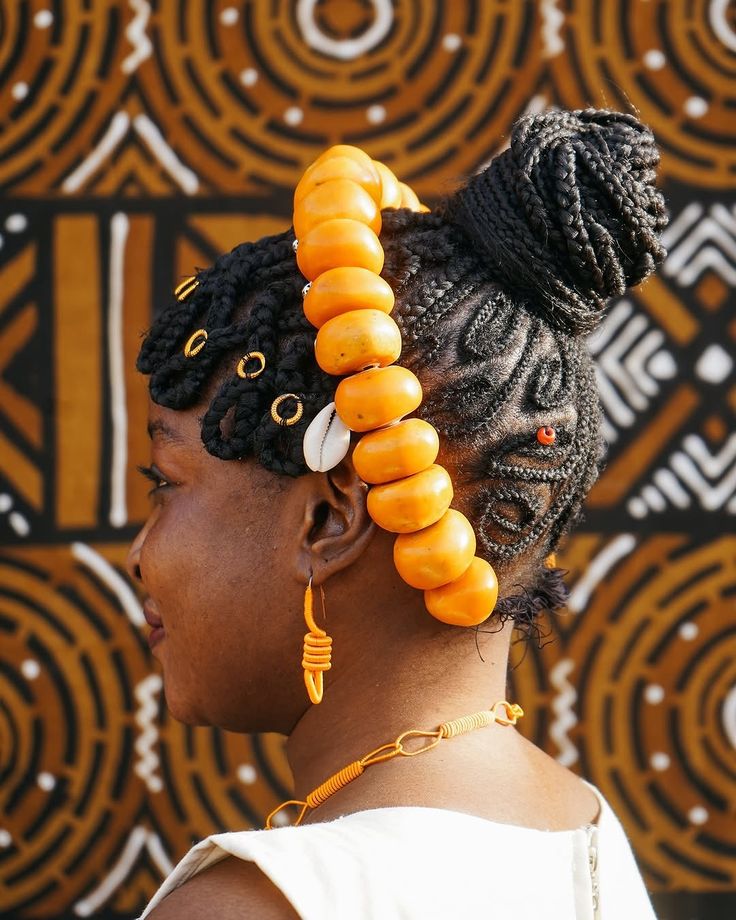
Hair, Power, and the Palace
Yoruba hair culture extended deeply into political life. Palace messengers, known as Ilari or Emese depending on the region, wore distinctive shaved and braided patterns that marked them as royal agents.
Their hairstyles varied by kingdom and even changed with political transitions. In Oyo, messengers allowed a circular patch of hair to grow long and be dyed indigo, while other parts of the head were shaved periodically. Their names and hair together delivered the king’s message.
When a king died, messengers grew their hair. When a new king was crowned, their heads were shaved again in ritual renewal. Hair here symbolised continuity, authority, and obedience.
Hair as Living Sculpture
Yoruba people are famous for wood carving, but hairstyling is one of their most dynamic sculptural arts. Hairdressers worked under trees, in courtyards, on verandas, transforming hair into form and meaning with nothing but hands, combs, and patience.
These styles were not static symbols. The same hairstyle could mean different things depending on context, age, or occasion. This flexibility made Yoruba hair culture rich and adaptable.
Even today, modern braiding techniques draw heavily from these traditional foundations, proving that Yoruba hair culture is not frozen in the past. It continues to grow, speak, and evolve.