Cabo Verde is a stunning archipelago of ten volcanic islands floating in the Atlantic off the west coast of Africa, and it has one of the most distinctive and delicious food cultures on the continent.
Born from a blend of African, Portuguese, and Brazilian influences, Cabo Verdean cuisine (known as Crioulo cooking) is hearty, flavourful, and deeply soulful. Whether you're island-hopping between Santiago and São Vicente or sitting by the ocean in Mindelo, here's what to eat.
1. Cachupa
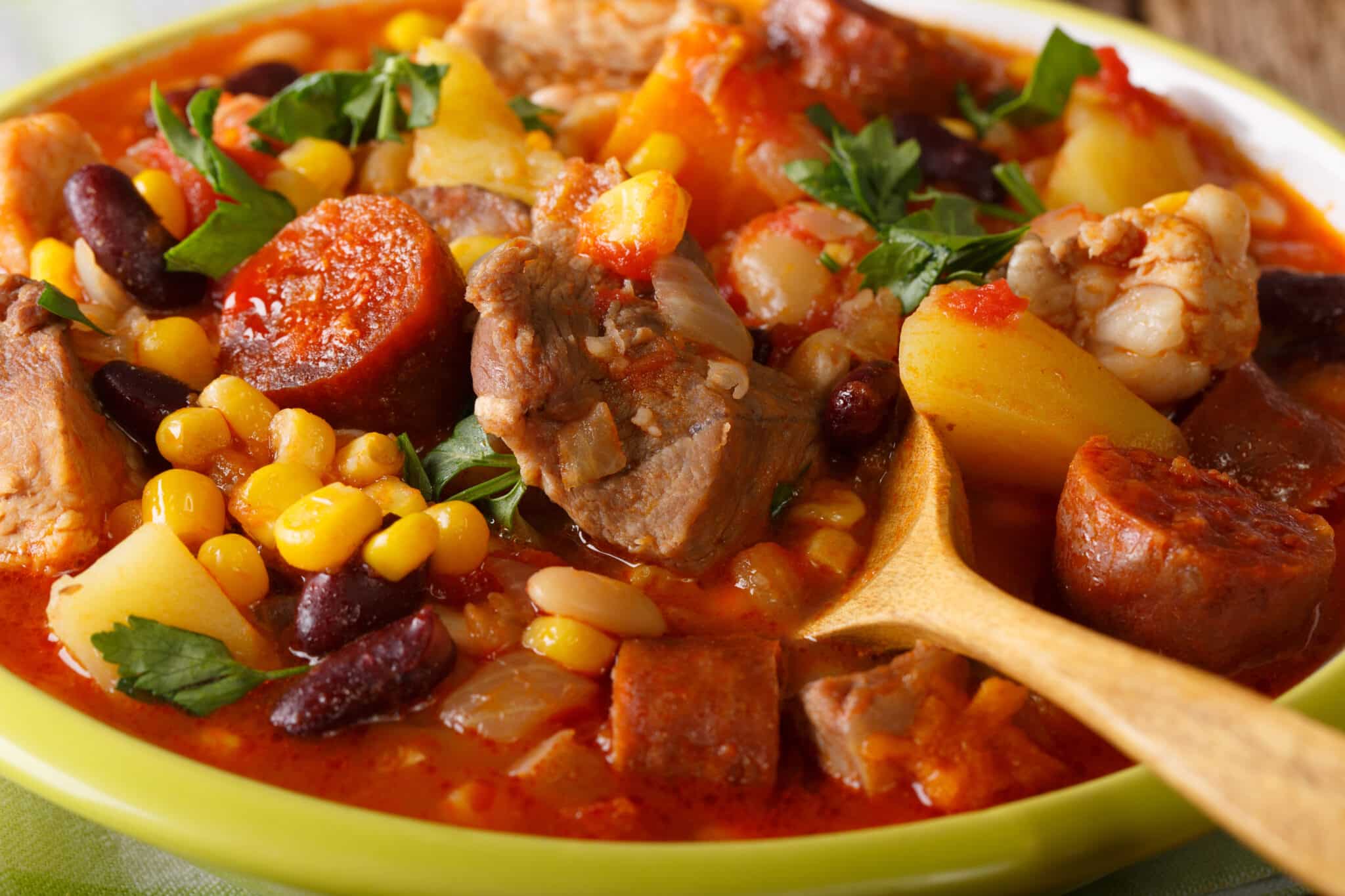
This is the soul of Cabo Verde. This slow-cooked stew of hominy corn, beans, vegetables, and whatever protein is available (tuna, pork, sausage or chicken) is the national dish and the daily meal of every Cabo Verdean.
Cachupa rica is the festive version, loaded with meats; cachupa pobre is the simpler, equally delicious everyday version. Leftover cachupa is fried the next morning and called cachupa refogada, which honestly, is even better.
2. Buzio (Conch)
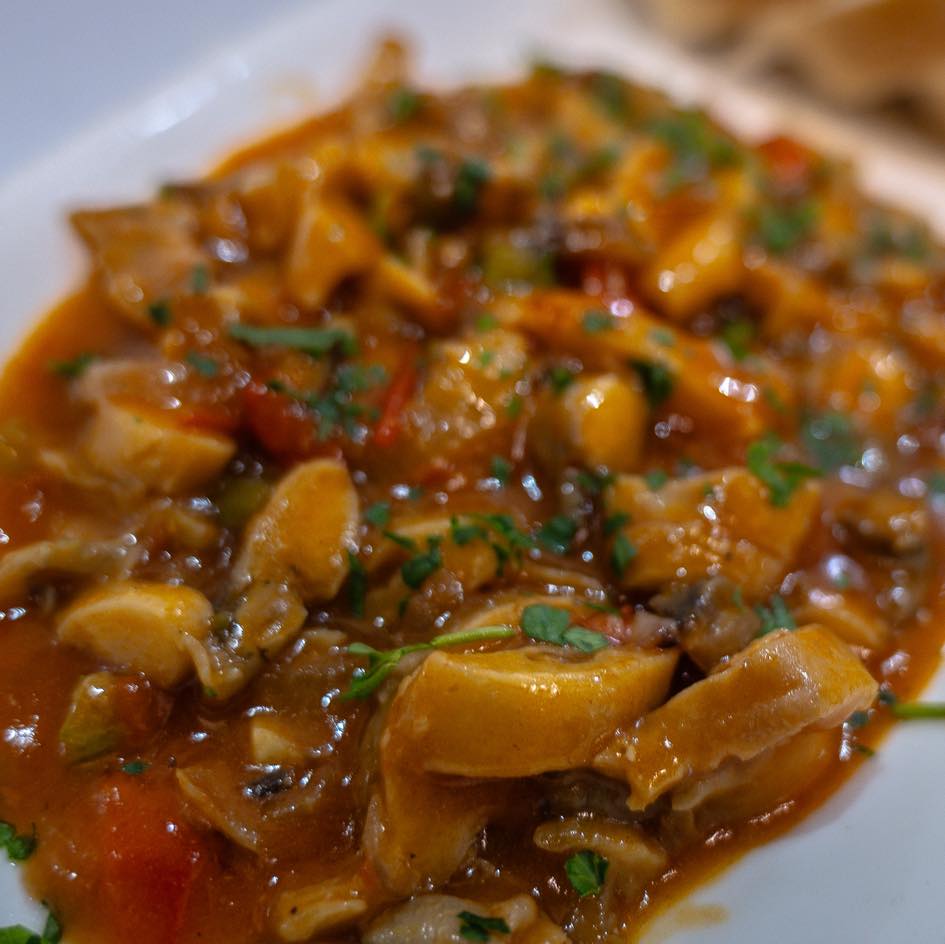
Freshly caught conch, boiled or stewed with garlic, tomato, onion, and herbs. In the islands, seafood is life, and buzio is considered a delicacy. The flavour is sweet, oceanic, and wonderful. I'll recommend you eat it as close to the water as possible!
3. Lagosta Grelhada (Grilled Lobster)
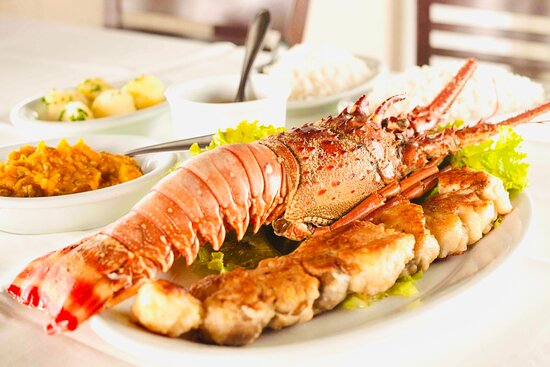
Cabo Verde is one of the best places in the world to eat grilled lobster. Locally caught spiny lobster, split and grilled with butter, lemon, and garlic; this is simple food done to absolute perfection.
4. Xerem
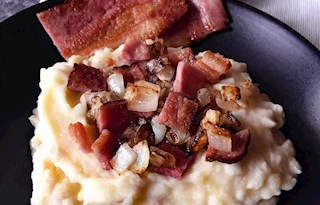
Xerém is a traditional Cape Verdean dish made from coarsely ground cornmeal. Rooted in the island's agricultural heritage, it is often cooked with onions, garlic, and herbs, and elevated with coconut milk, fresh seafood, or pork. It is humble, filling, and beloved. It's similar to cachupa in spirit but has its own distinct texture and personality.
5. Catchupa com Ovos
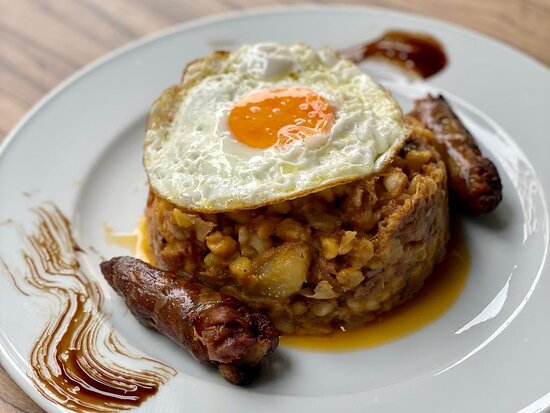
Fried cachupa topped with a fried egg is the beloved Cabo Verdean breakfast. If you stay anywhere with a local cook in the morning, this is what you'll be eating. It's the breakfast that makes you understand the phrase 'a perfect start to the day.'
6. Pastel com Diabo Dentro (Pastry with the Devil Inside)
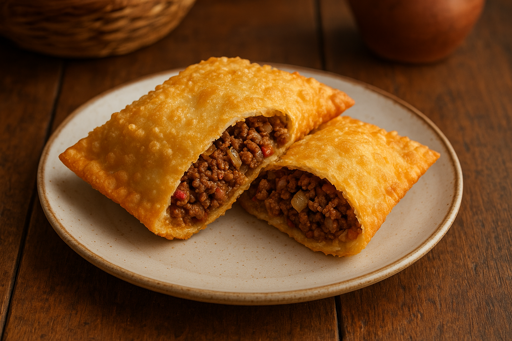
Fried pastry parcels filled with spiced tuna and onion, with the name refering to the heat of the filling. These are the iconic street food of Cabo Verde, sold in markets and at festivals, and absolutely irresistible.
7. Canja de Galinha
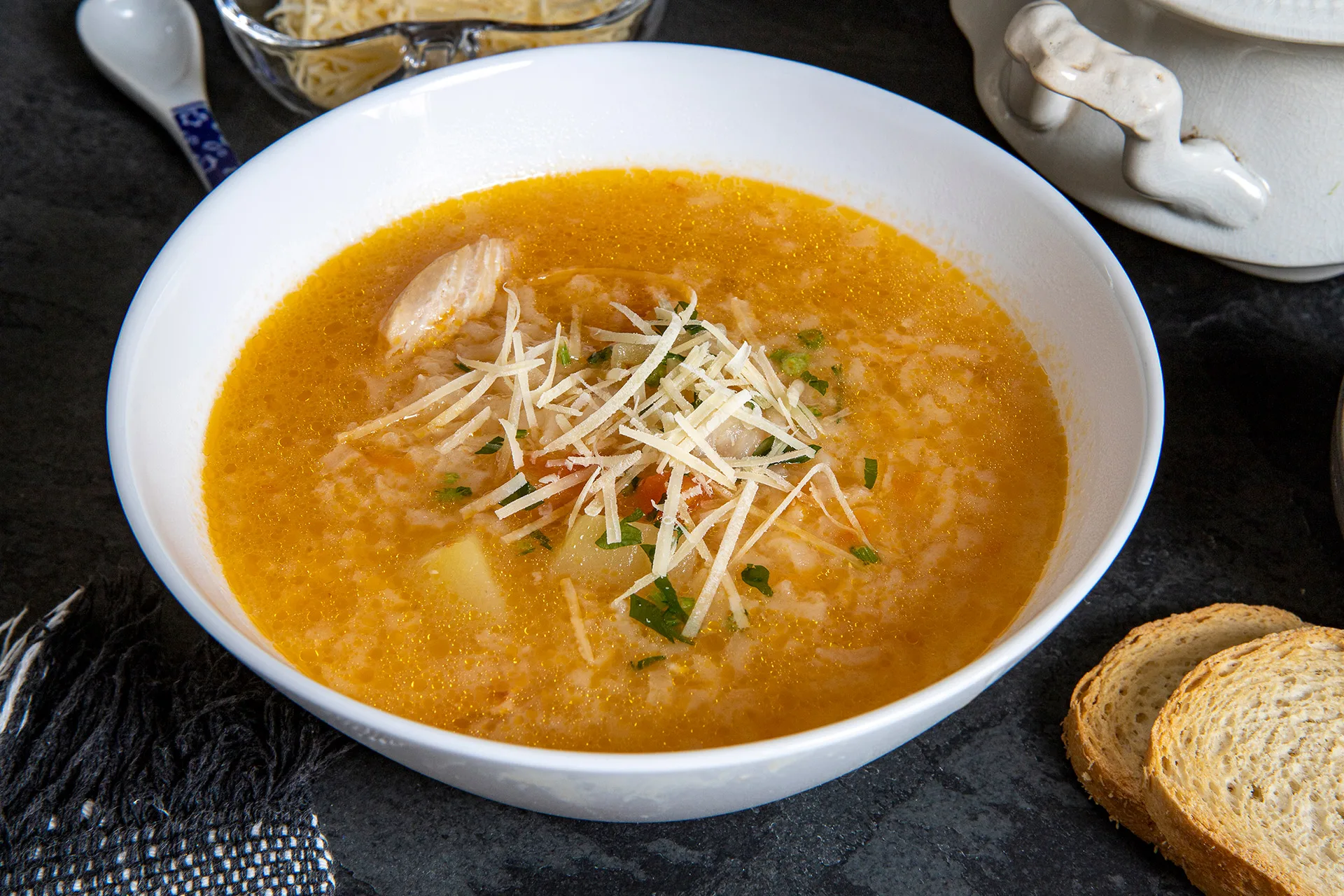
Chicken rice soup which is deeply comforting, gently seasoned, and universally eaten. Canja is the food of care; what you're given when you're ill, when you need comfort, or when you arrive somewhere new and need to feel at home.
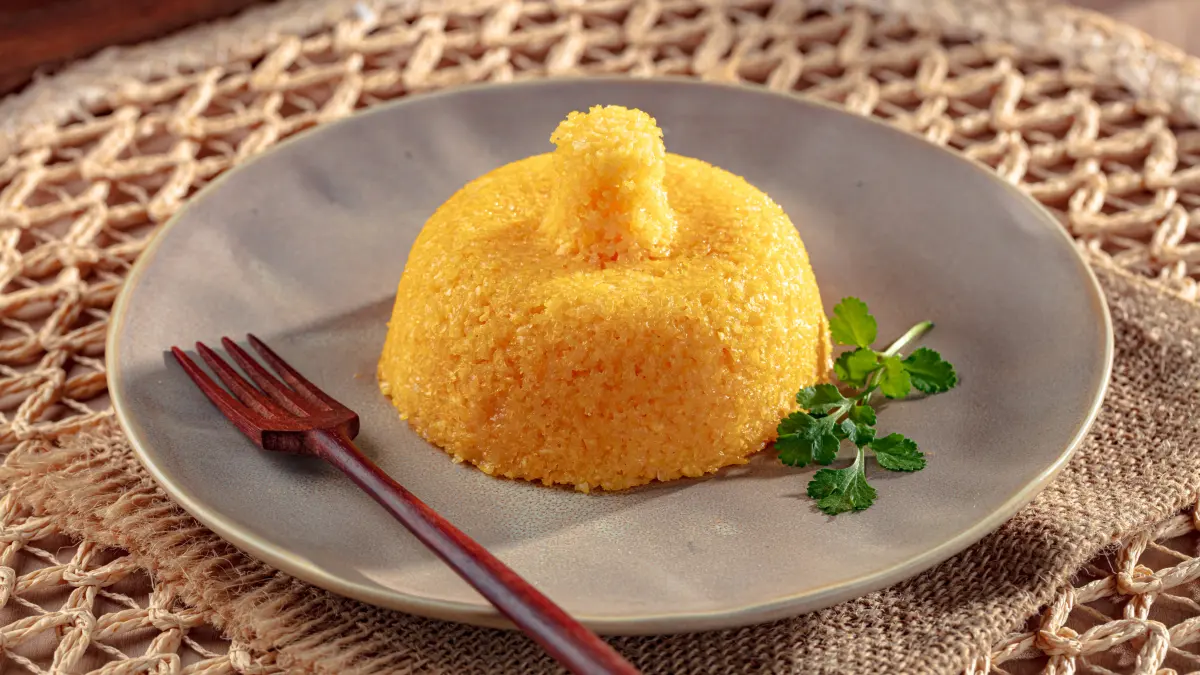
8. Cuscuz Cabo-Verdiano
9. Doce de Papaia (Papaya Sweet)
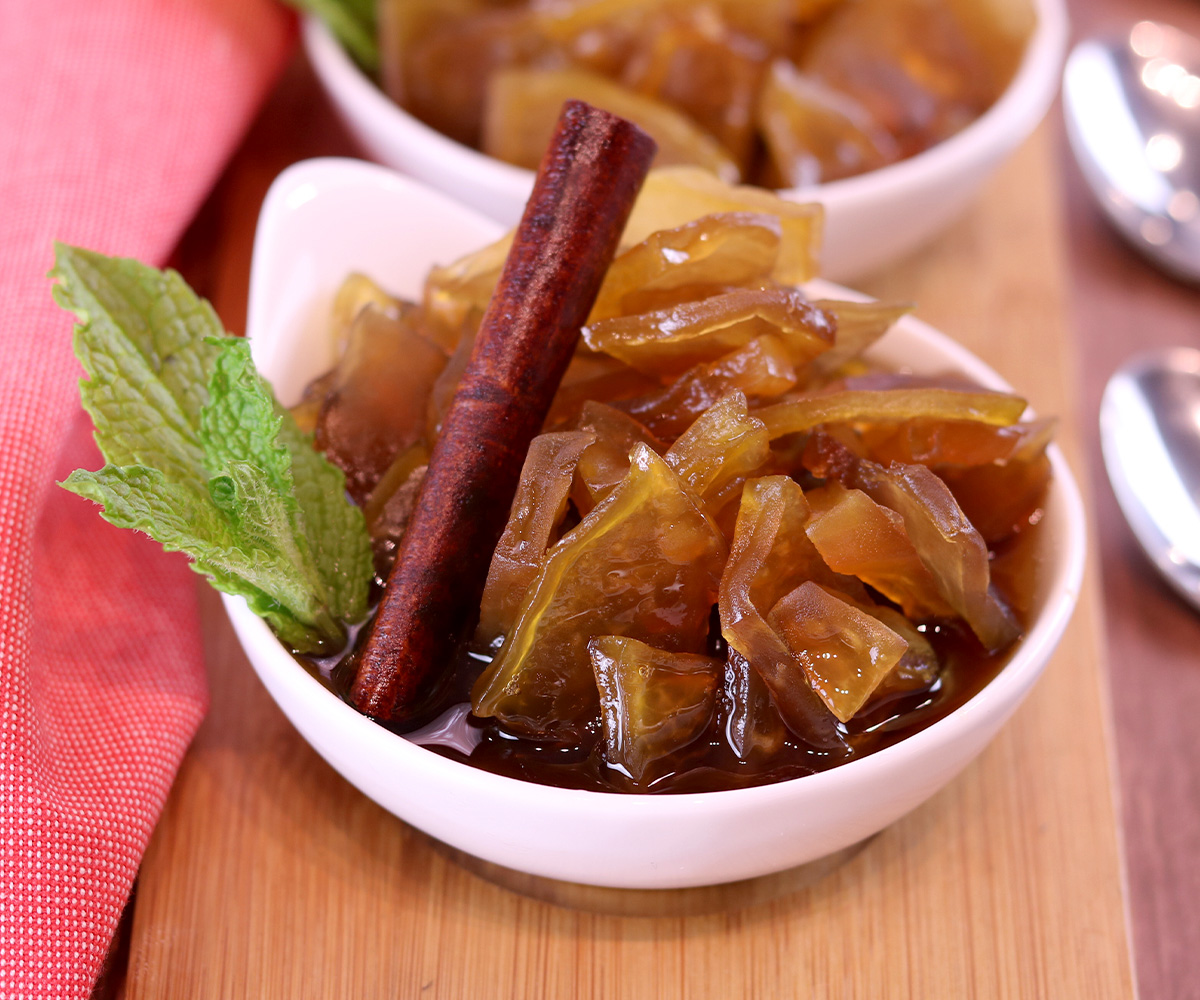
It's simply green papaya preserved in sugar syrup, often with coconut: a traditional dessert and sweet treat. It's quite aromatic, slightly floral, and a lovely taste of the islands' tropical abundance.
10. Grogue

Cabo Verde's signature spirit — a rough, potent sugarcane eau-de-vie distilled on the islands. Grogue is to Cabo Verde what cachaça is to Brazil. Sip it straight or in a ponche (mixed with honey and lemon) and embrace island life properly.
Closing Thoughts
Cabo Verde's food is the taste of islands that have always been at a crossroads: African soul, Portuguese structure and Atlantic abundance. Whether you're dipping into a bowl of cachupa at a family kitchen or grilling lobster by the sea at sunset, the food here is warm, honest, and entirely impossible to forget. Come for the music, stay for the mornas, and eat everything you can find.
If you enjoyed reading this, then check out our next article on Angolan cuisine.