West African music is not just something you listen to. It is something you feel, respond to, and live inside. Across villages, royal courts, festivals, and ceremonies, musical instruments act as voices. They announce events, preserve history, guide dancers, and even speak literal language.
What makes West African musical instruments especially fascinating is that each one carries a clear role. Some lead the rhythm, some tell stories, and others add texture and color. Below are eight of the most important traditional instruments from West Africa, grouped naturally by how they shape sound and meaning.
1. Djembe
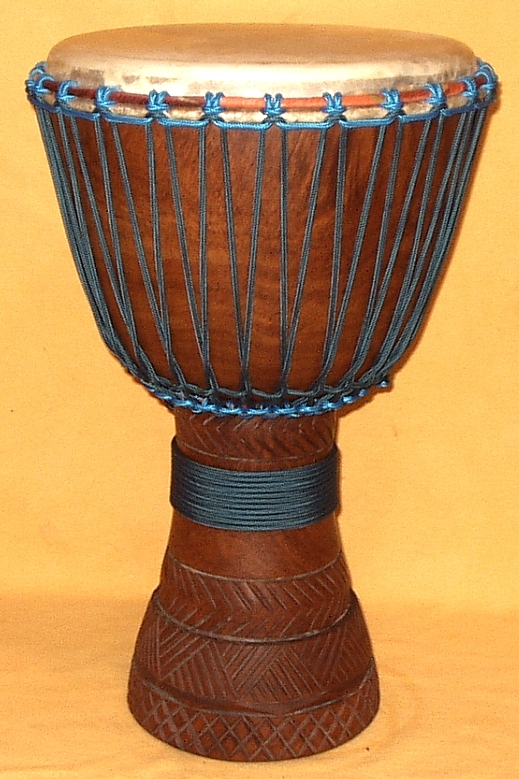
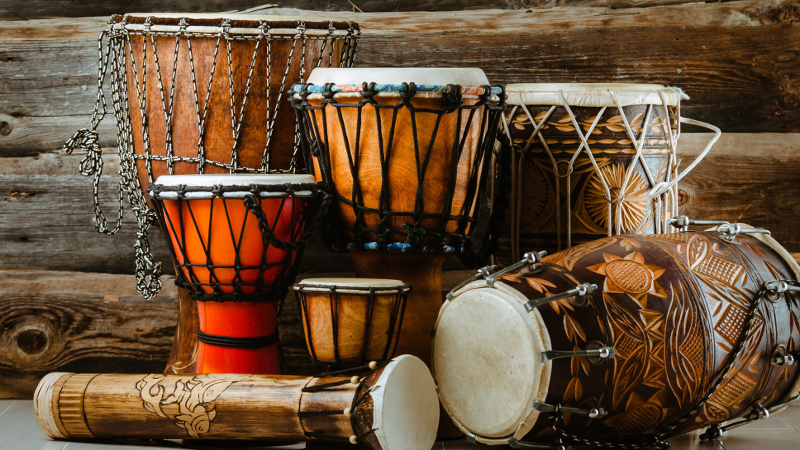
Few instruments represent West Africa as boldly as the djembe. Originating among the Mandinka people of the Mali Empire, this goblet-shaped drum is carved from a single piece of hardwood and topped with tightly stretched goatskin.
Played with bare hands, the djembe produces deep bass tones, open resonant sounds, and sharp slaps. These tones are not random. Each one signals a response from dancers or other musicians. In ceremonies and celebrations, the djembe often sets the emotional direction of the entire performance. When it speaks, everything else listens.
2. Talking Drum
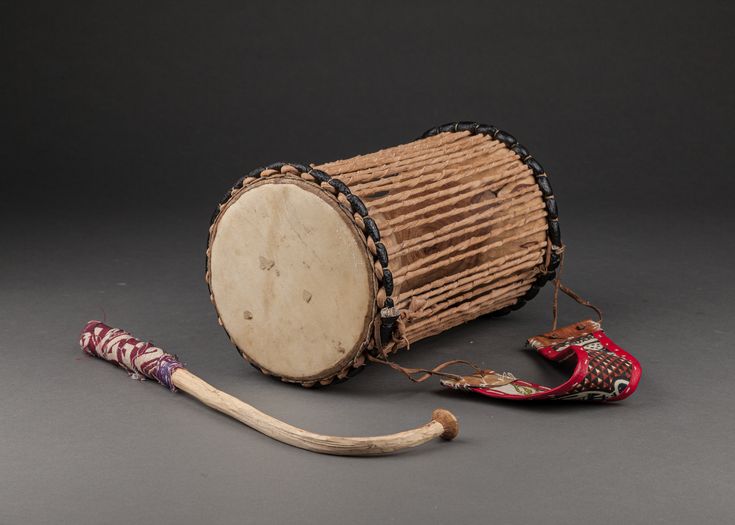
Among the Yoruba people of Nigeria, the talking drum, known as gan gan, is both a musical and linguistic instrument. Its hourglass shape and tension cords allow the player to change pitch by squeezing the drum under the arm.
Because Yoruba is a tonal language, the talking drum can imitate speech patterns, proverbs, praise poetry, and announcements. Historically, it was used to send messages across long distances and to honor kings and ancestors. Even today, hearing a talking drum feels like hearing history speak in rhythm.
3. Kora
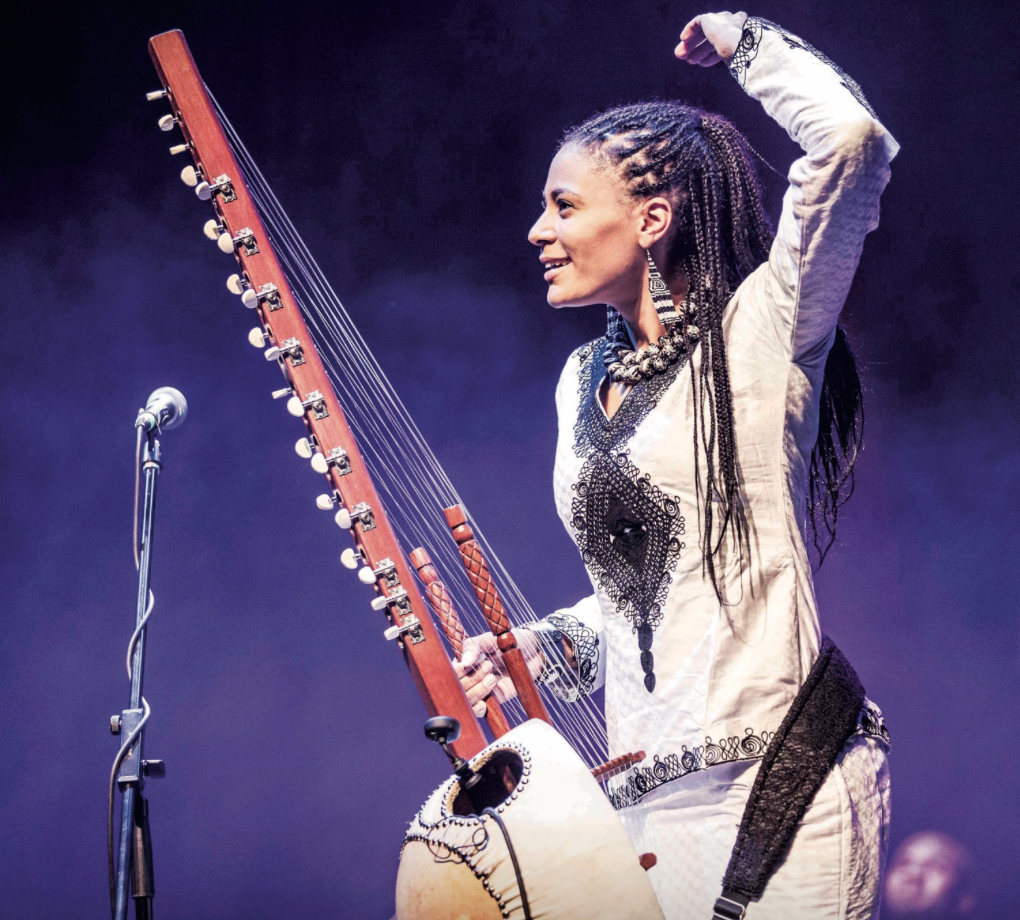
The kora belongs to the world of memory and storytelling. This 21-string harp-lute originates from the Mali Empire and is traditionally played by griots. Griots are oral historians who preserve genealogies, moral lessons, and epic tales through music.
Made from a large calabash gourd and hardwood neck, the kora produces a soft, flowing sound that feels almost weightless. Each performance is both musical and educational. When a griot plays the kora, the past is never far away.
4. Ngoni
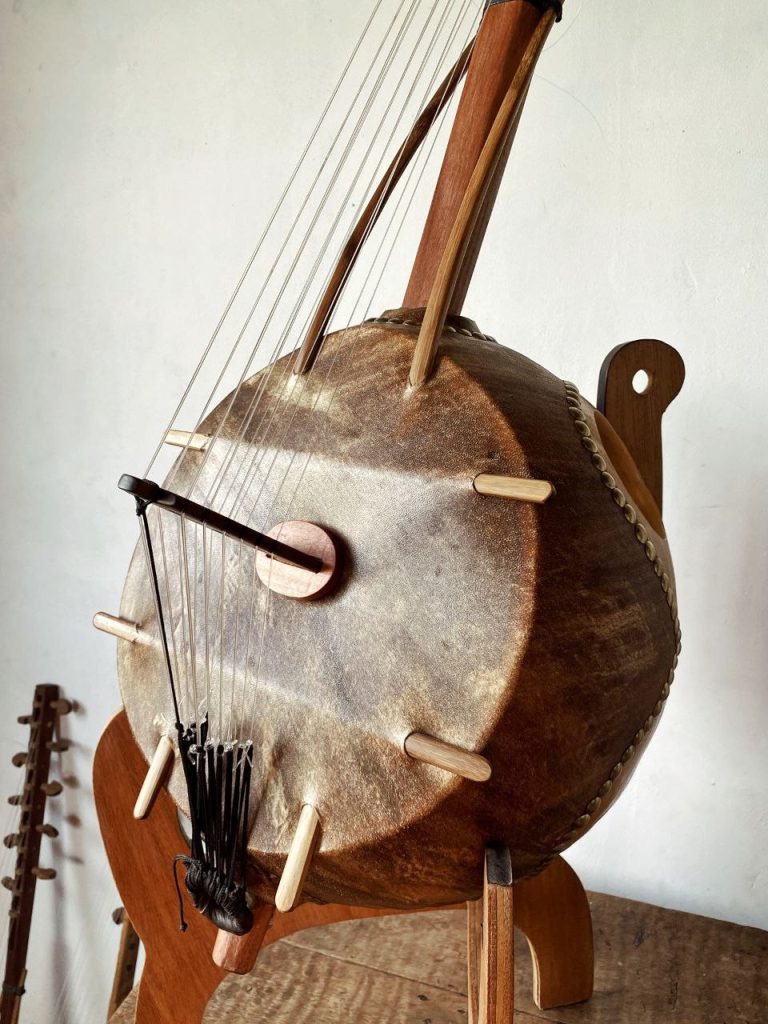
The ngoni is a small lute-like instrument with a sharp, rhythmic tone. It also comes from Mali and surrounding regions. Its body is often wooden, covered with animal skin, and strung with nylon or gut strings.
What makes the ngoni remarkable is its global legacy. Many historians consider it a direct ancestor of the banjo. Its sound traveled across the Atlantic during the transatlantic slave trade, influencing musical traditions far beyond West Africa. In that sense, the ngoni connects continents through sound.
5. Balafon
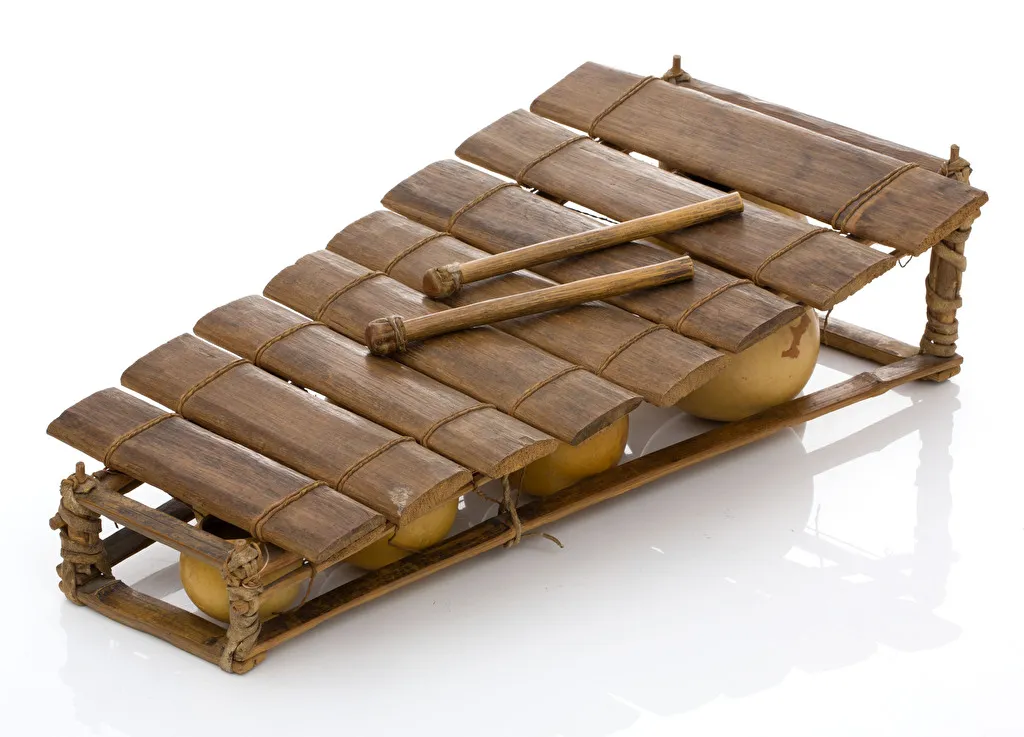
The balafon is West Africa’s answer to the xylophone, but with a personality of its own. Wooden keys are placed over calabash gourds that act as natural resonators, giving the instrument a warm, buzzing tone.
Often used as a lead melodic instrument, the balafon plays complex patterns that interact with drums and dancers. In some cultures, it is closely linked to royal courts and ancestral traditions. Its sound feels both playful and deeply serious at the same time.
6. Shekere
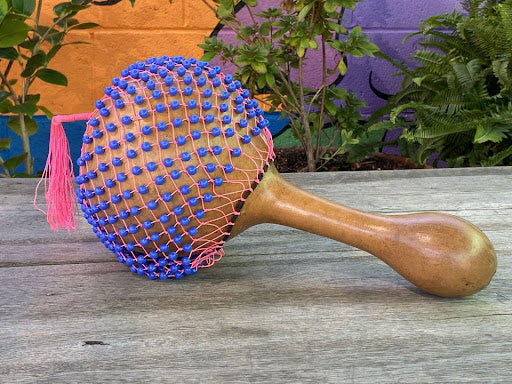
The shekere looks simple, but it plays a powerful supporting role. It is made from a dried gourd wrapped in a net of beads or shells. When shaken or struck, it produces crisp, textured rhythms.
The shekere often fills the space between heavier drums and melodic instruments. It adds sparkle, movement, and pulse. In many ensembles, it keeps the rhythm lively without overpowering the main voices.
7. Udu
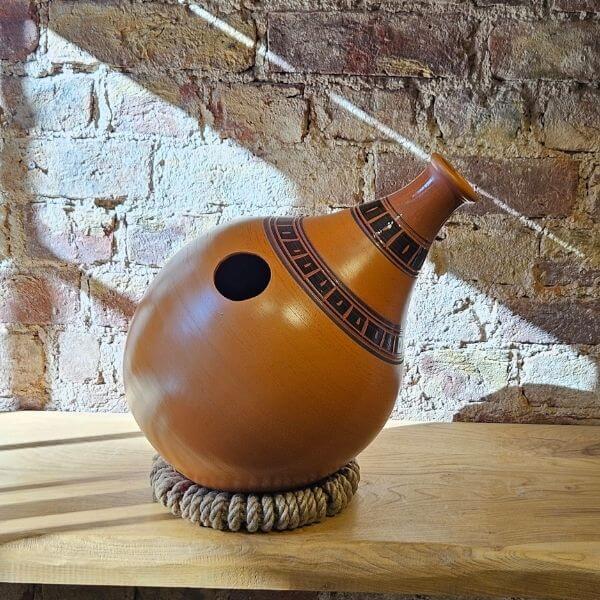
Originating from the Igbo people of Nigeria, the udu is a clay vessel drum that produces surprisingly deep and resonant sounds. It is played by tapping holes and surfaces with the hands.
Unlike most drums, the udu uses air movement to shape sound. The result is a watery, echoing tone that feels meditative. It is often used in spiritual settings and reflective performances where subtlety matters more than volume.
8. Flutes and Horns
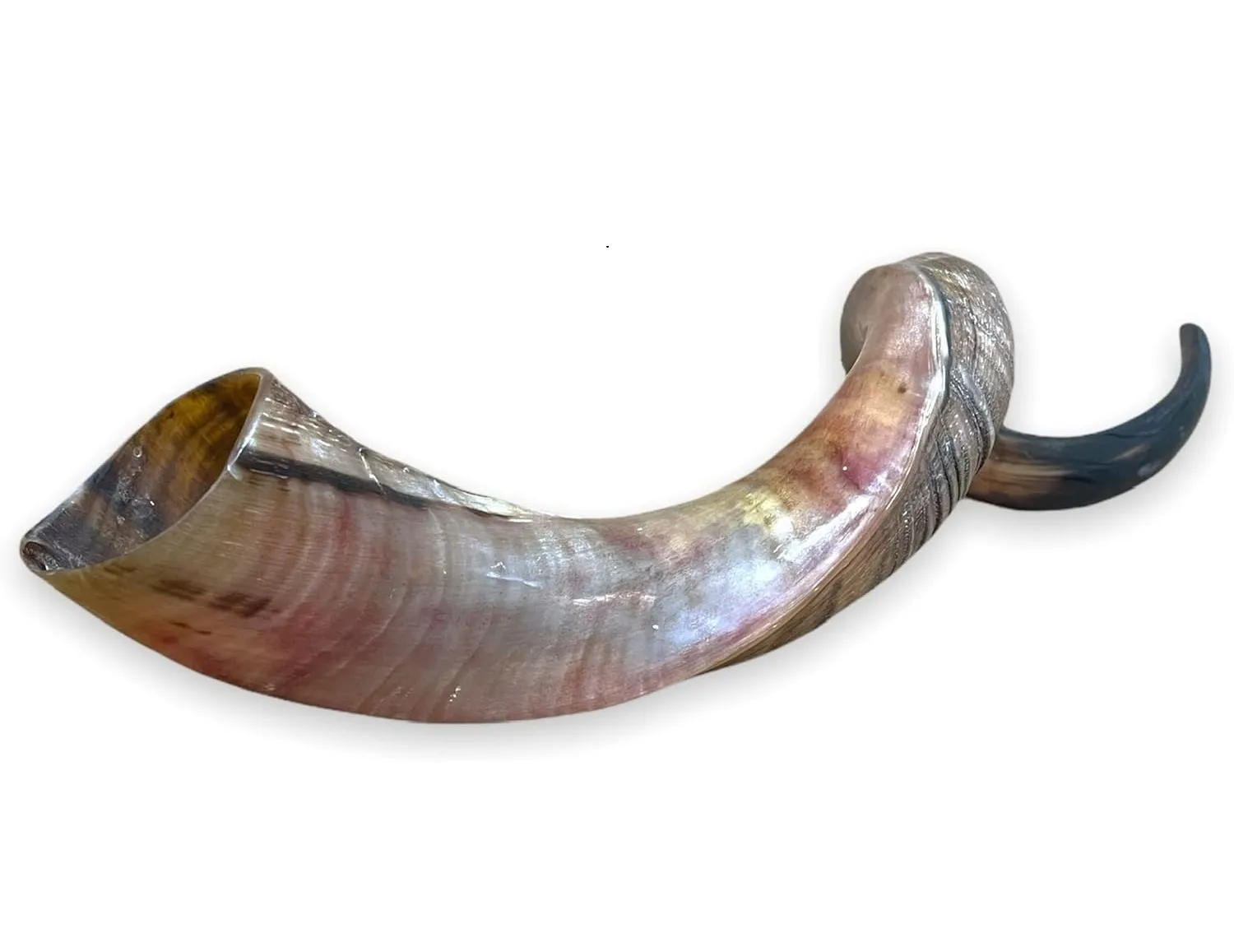
Wind instruments in West Africa are closely tied to ceremony and identity. Flutes made from bamboo, wood, or bone are common among pastoral and farming communities. The Fulani flute, for example, produces a breathy sound often compared to birdsong.
Horns and trumpets serve a different purpose. Made from animal horns or metal, instruments like the algaita and kakaki announce royalty, signal important events, and command attention. Their sound is direct, powerful, and impossible to ignore.
How These Instruments Work Together
West African music thrives on conversation. Drums like the djembe establish rhythm. Talking drums and koras take on lead roles, responding to dancers or singers. Instruments such as the balafon and shekere fill gaps and add depth.
No instrument exists to dominate. Each one listens, answers, and supports the others. This layered approach is what gives West African music its richness and emotional pull.
Final Thoughts
West African musical instruments are not museum objects. They are living voices shaped by environment, history, and community. From drums that speak to strings that remember, each instrument carries meaning far beyond sound. To listen to West African music is to hear a culture in motion, alive, responsive, and deeply human.