Beauty in Africa’s cities is not accidental. It grows from geography, memory, climate, culture, and how people choose to live within space. In 2026, some cities stand out not because they are perfect, but because they balance history with movement, nature with concrete, and tradition with modern life.
Across coastlines, deserts, hills, and riverbanks, these cities show how Africa looks when it builds without erasing itself.
Ready to experience Africa now? Explore our carefully curated tours at MyBlak and start planning your next African adventure.
1. Cape Town, South Africa
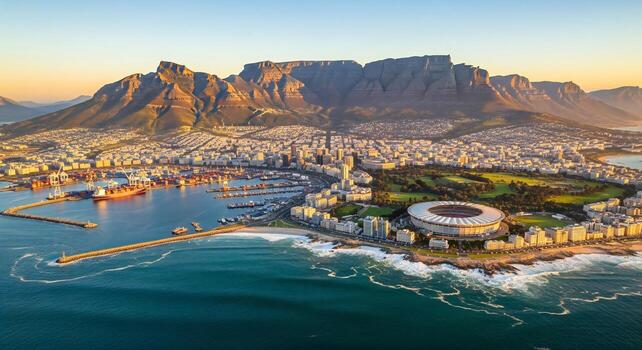
Cape Town sits where land rises suddenly from the sea. Table Mountain is not a background image here, it's a presence that shapes how the city moves and breathes. From the Atlantic coastline to the slopes of Constantia, nature is always close.
The city’s beauty lies in contrast. Beaches stretch beside working harbours, and wine farms exist minutes from busy roads. Bo-Kaap’s coloured houses speak of history, faith, and survival, while the V&A Waterfront reflects global modernity. Cape Town also carries memory. Robben Island reminds visitors that beauty does not erase struggle, instead, it frames it.
2. Marrakech, Morocco
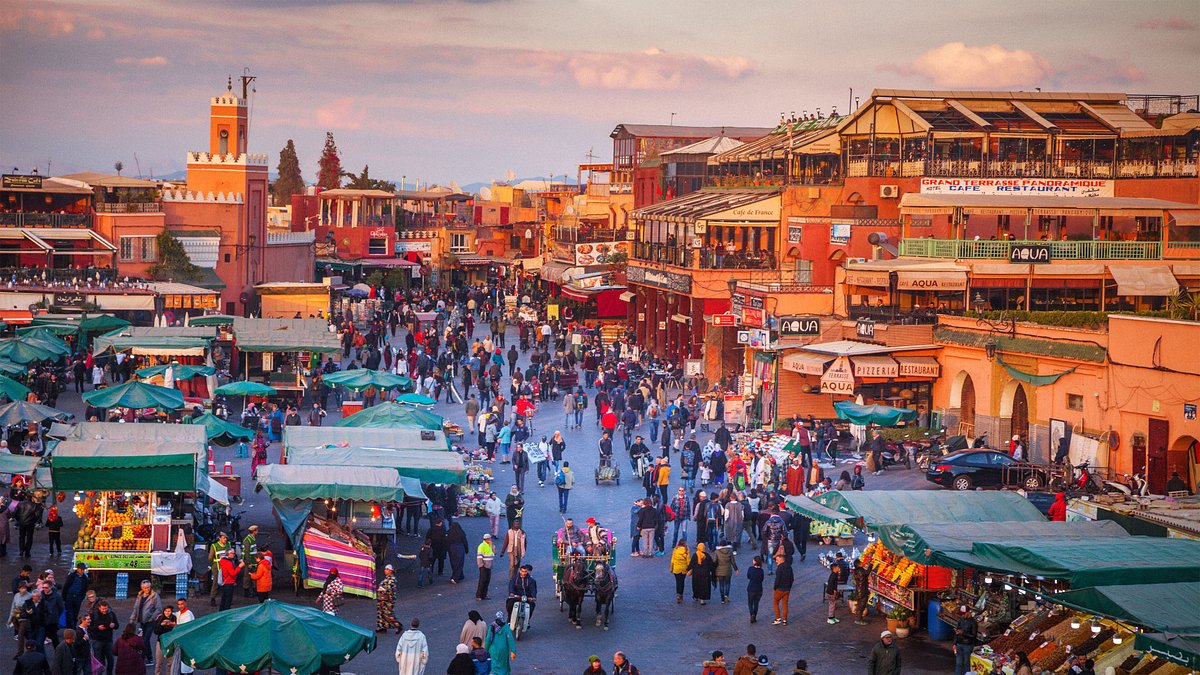
Marrakech does not rush, its beauty reveals itself slowly through walls, courtyards, and sound. Known as the Red City, its buildings are shaped from earth-toned stone that changes colour with the sun.
Inside the old medina, life follows ancient rhythms. Traders open wooden stalls at dawn. The smell of leather, spice, and mint tea fills the air. Palaces, mosques, and riads show how craft and geometry once defined power and comfort. Despite tourism growth, Marrakech continues to protect its historic core, allowing old forms of beauty to survive within a modern economy.
3. Kigali, Rwanda
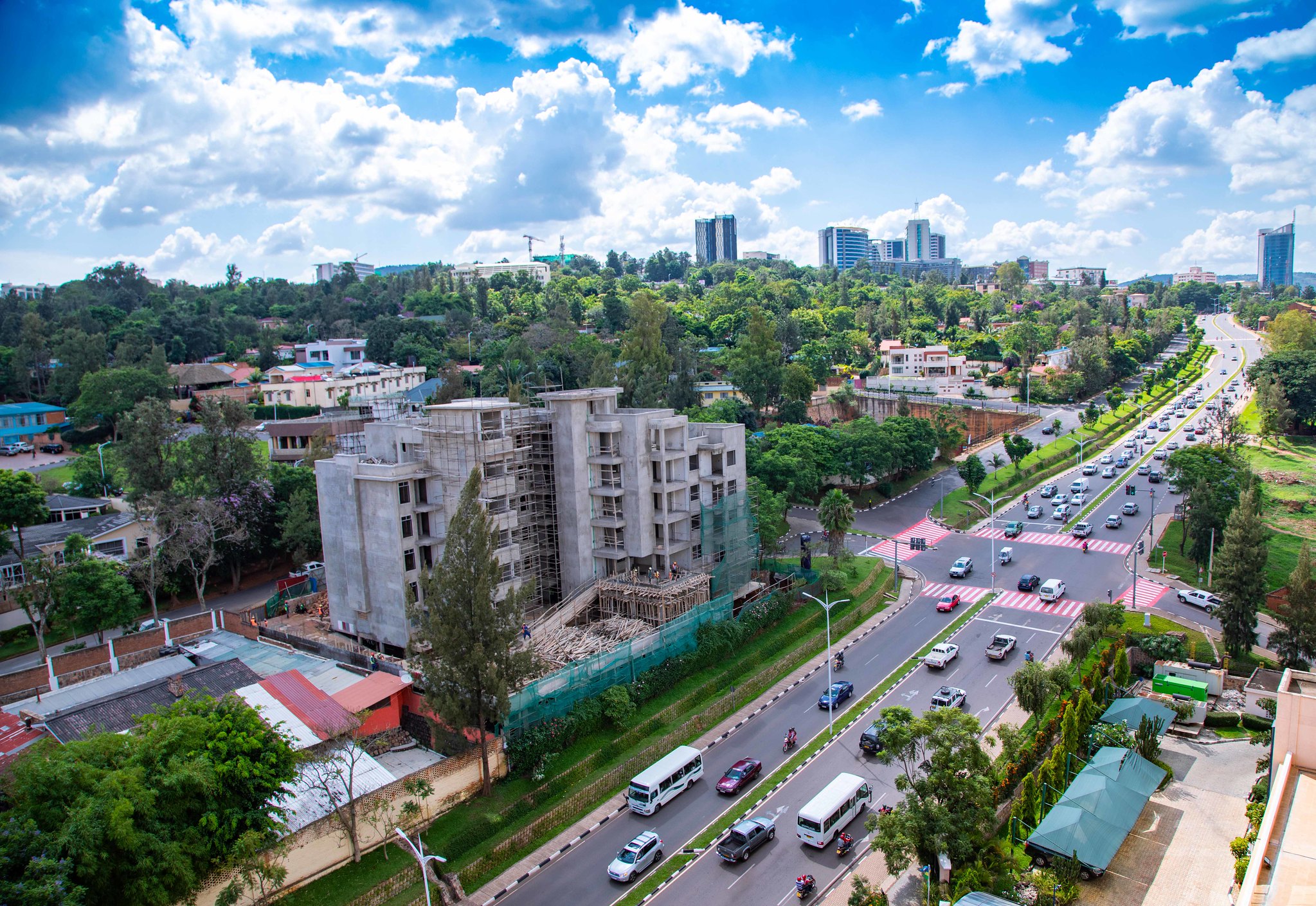
Kigali’s beauty is quiet but deliberate. Spread across green hills, the city is known for order, cleanliness, and planning. Streets are wide, public spaces are respected, and greenery is protected.
What sets Kigali apart is balance. Modern buildings rise without overwhelming the landscape. Residential areas blend into nature instead of replacing it. Markets function alongside business districts. The city’s calm atmosphere reflects years of intentional rebuilding after tragedy. Kigali shows how beauty can come from discipline, care, and shared responsibility.
4. Zanzibar City, Tanzania
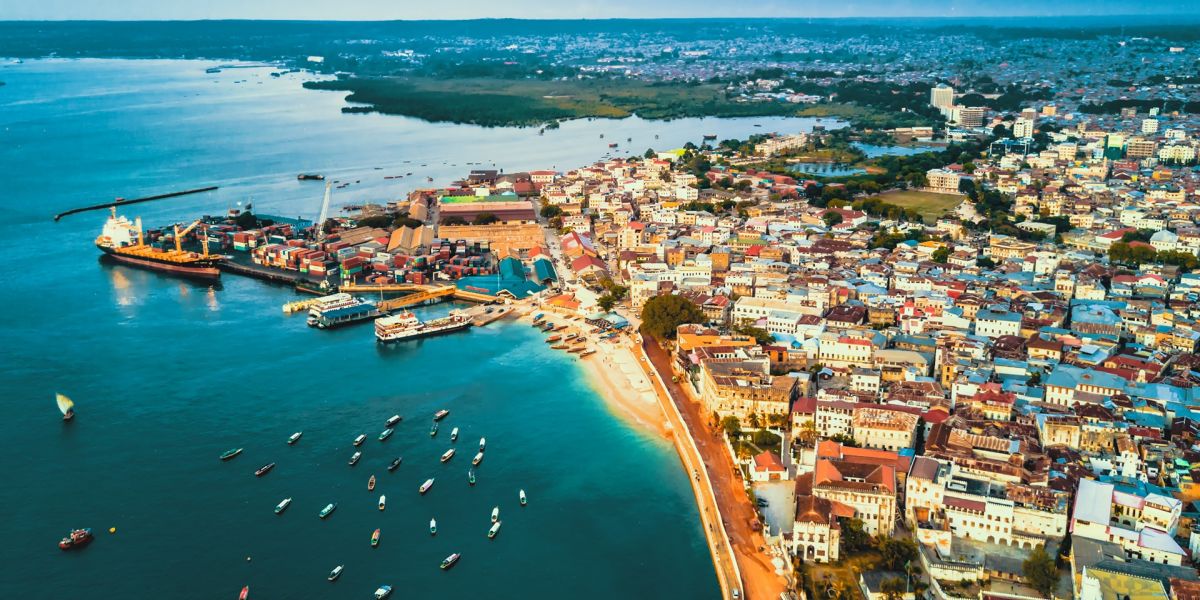
Zanzibar City, especially Stone Town, feels like a meeting place of oceans and histories. Swahili, Arab, Persian, and European influences live within narrow streets and carved wooden doors.
The city’s beauty lies in texture. Coral stone buildings bear marks of time, and balconies lean slightly over alleys. The call to prayer echoes toward the sea, and just beyond the old town, white beaches and clear water surround the island. Zanzibar’s appeal comes from its refusal to separate culture from nature. Life here moves between land, water, and memory.
5. Nairobi, Kenya
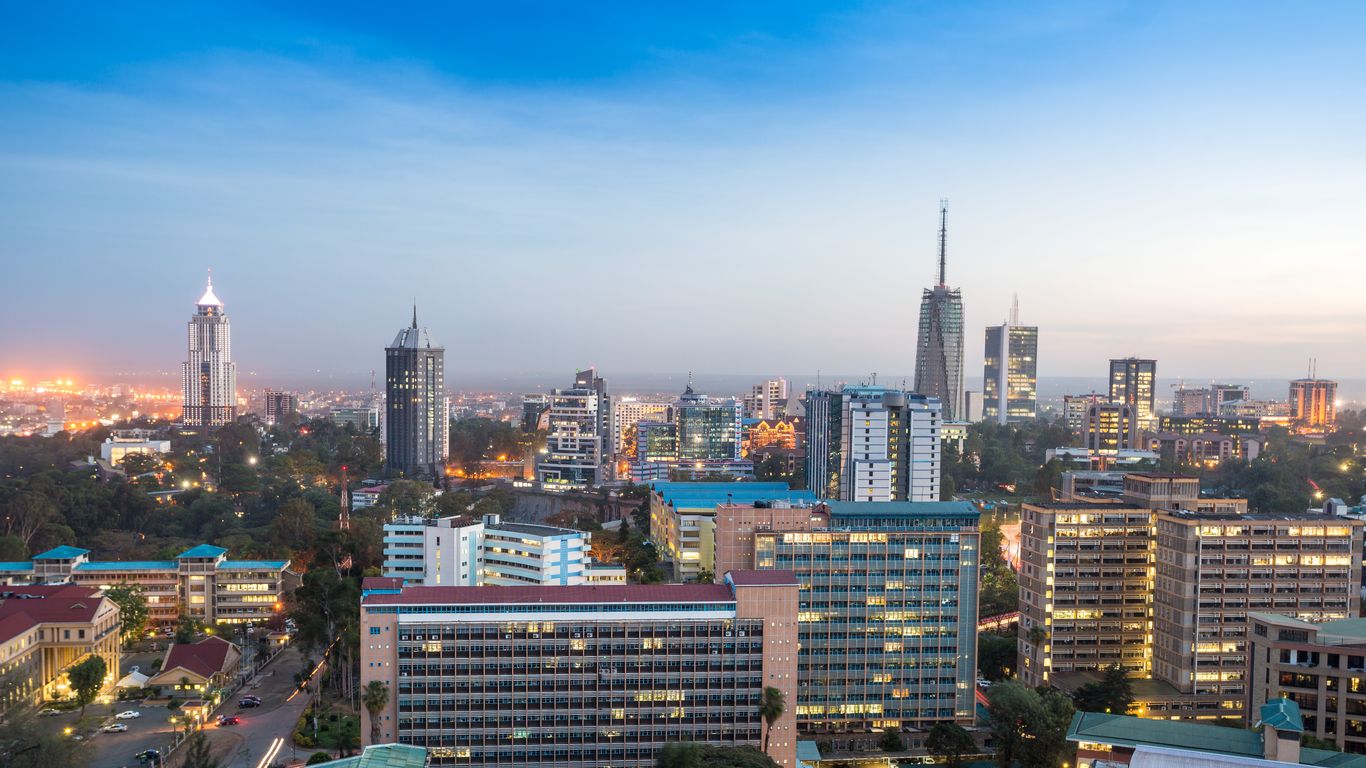
Nairobi is a city where wildlife and glass towers share the same skyline. Few capitals in the world can claim a national park within city limits, where giraffes and rhinos move against the backdrop of office buildings.
Its beauty is energetic, with forests like Karura existing beside highways. Markets, tech hubs, museums, and music spaces create constant movement. Nairobi reflects modern African ambition without losing its connection to land. It is not polished everywhere, but its mix of green space, creativity, and resilience gives it a distinctive visual and cultural presence.
6. Accra, Ghana
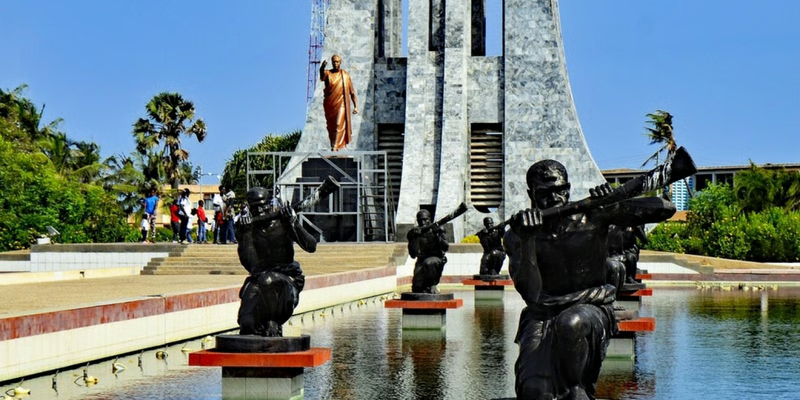
Accra’s beauty is social before it is architectural. The city lives through its people, music, colour, and movement. Along the coast, waves hit old forts that once stood at the centre of global trade and trauma.
Neighbourhoods like Jamestown carry history in every wall. Murals, street art, and festivals turn public space into storytelling ground. In recent years, new roads, housing, and business districts have changed Accra’s appearance. Yet its spirit remains open and communal.
7. Victoria, Seychelles
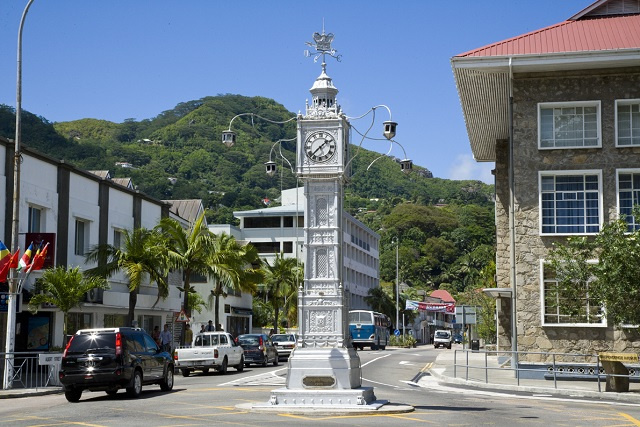
Victoria is small, but scale does not limit beauty. Surrounded by mountains and the Indian Ocean, the city feels more like a carefully kept garden than a capital. Colonial buildings sit near markets filled with local produce.
The pace is slow, shaped by island life and environmental protection. Seychelles places strong emphasis on conservation, which keeps Victoria clean and green. The city’s beauty comes from harmony with its surroundings rather than expansion.
8. Dakar, Senegal
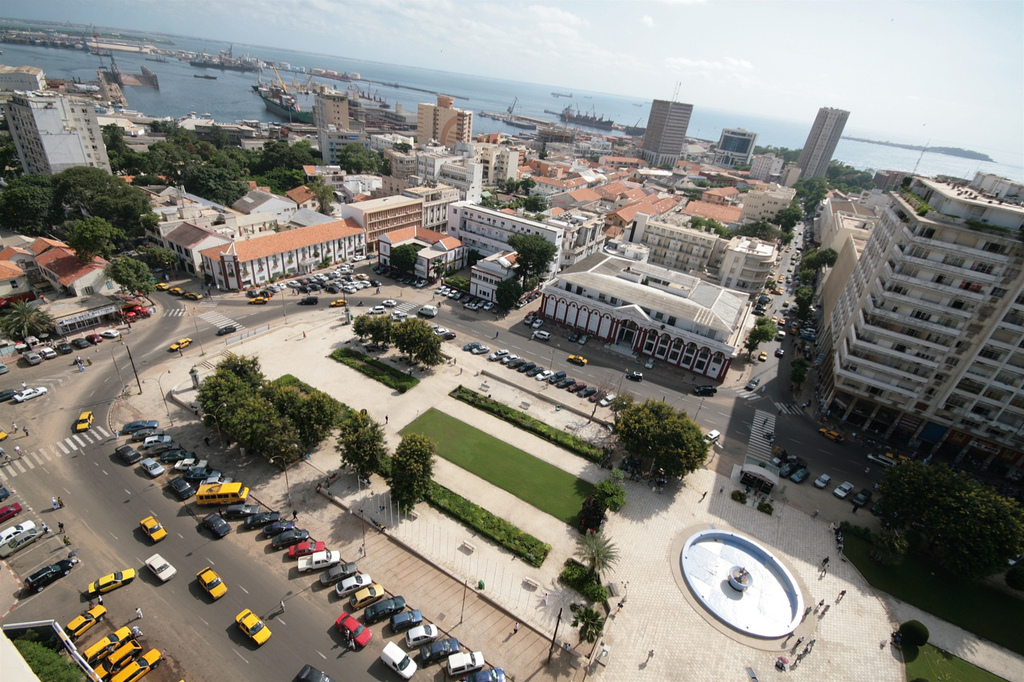
Dakar stands at Africa’s western edge, where land meets the Atlantic. The ocean shapes daily life, from fishing communities to evening gatherings along the Corniche.The city is rich in sound and expression.
Music, art, and fashion flow through its streets. Gorée Island, just offshore, carries deep historical weight, reminding visitors of the Atlantic slave trade. Dakar’s beauty lies in its cultural confidence. It does not hide its past, and it celebrates its creative present.
9. Windhoek, Namibia
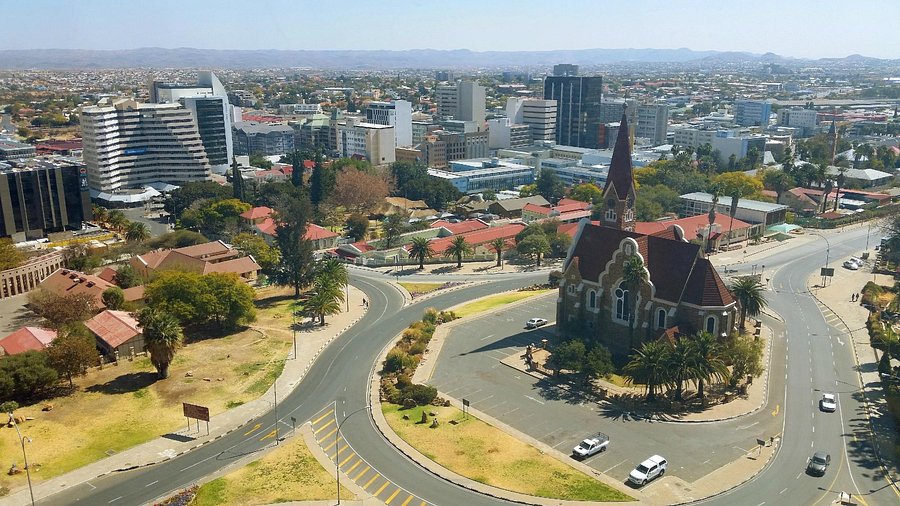
Windhoek offers a different kind of beauty, built on space and calm. Surrounded by hills and open landscapes, the city feels grounded and breathable. German colonial buildings stand beside African markets and modern offices.
The city is orderly and relatively quiet, with clear skies and clean streets. Windhoek’s appeal comes from simplicity and safety. It shows how a city can be beautiful without noise or density.
10. Cairo, Egypt
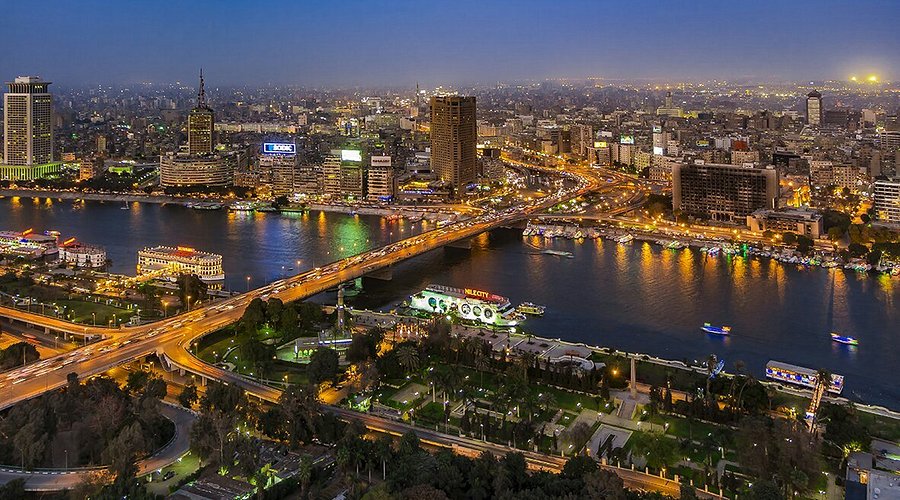
Cairo carries layers of time unlike any other city in Africa. The Nile moves through it, steady and ancient. On its edges rise the pyramids of Giza, symbols that have shaped human imagination for thousands of years.
The city is crowded and intense, yet deeply compelling. Mosques, churches, and old markets sit beside modern roads and bridges. Cairo’s beauty lies in scale and endurance. It is not gentle, but it is unmatched in historical presence. Few cities connect ancient civilisation and modern life so visibly.
Why These Cities Stand Out
These cities are not beautiful for the same reasons. Some are shaped by mountains and oceans. Others by planning, culture, or history. What connects them is identity. Each city reflects its environment and people rather than copying foreign models.
Urban beauty in Africa increasingly comes from preservation, thoughtful development, and cultural pride. As cities grow, those that respect memory and nature stand out most.
A Continent in Motion
Africa’s cities continue to change. New roads, housing, and technology are reshaping skylines every year. Yet the most beautiful cities remain those that understand where they come from.
In 2026, beauty in Africa’s cities is not only seen. It is felt in how spaces are lived, protected, and remembered.
If you enjoyed reading this, check out our special feature on the seven wonders of Africa