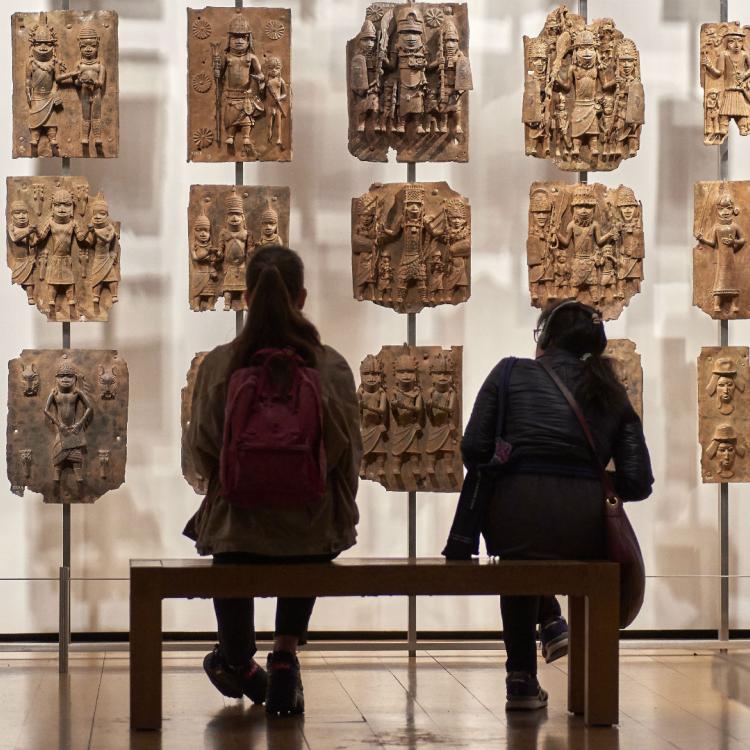
Many people have seen the Benin Bronzes in museums across Europe and North America without knowing their origin. These works come from Benin City, a historic center of political authority and artistic production in precolonial West Africa.
The bronze sculptures associated with Benin City are not decorative pieces in the casual sense but records. They document royal lineages, court ceremonies, military encounters, and spiritual beliefs of the Kingdom of Benin. Their journey from royal palace walls to foreign museums, and now gradually back to Nigeria, is tied to a specific historical event that reshaped the city.
A City Built on Structure and Craft
By the 15th and 16th centuries, Benin City had developed into a well-organized urban center. Historical accounts from Portuguese visitors describe wide streets and a layout that allowed movement and order. The city was governed under the authority of the Oba, the king, whose court oversaw political, spiritual, and artistic life.
The bronze works were produced within this system. Skilled artisans, organized under royal guilds, created plaques, heads, and figures using a technique known as lost-wax casting. Each piece required a detailed wax model, a clay mold, and controlled heating to produce the final metal form.
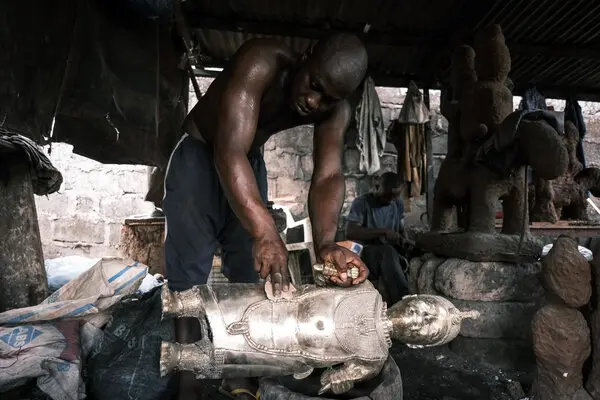
These objects were not mass-produced but were commissioned and regulated by the palace. Many were installed on pillars and walls within the royal compound, forming a visual archive of the kingdom’s history.
What the Bronzes Represent
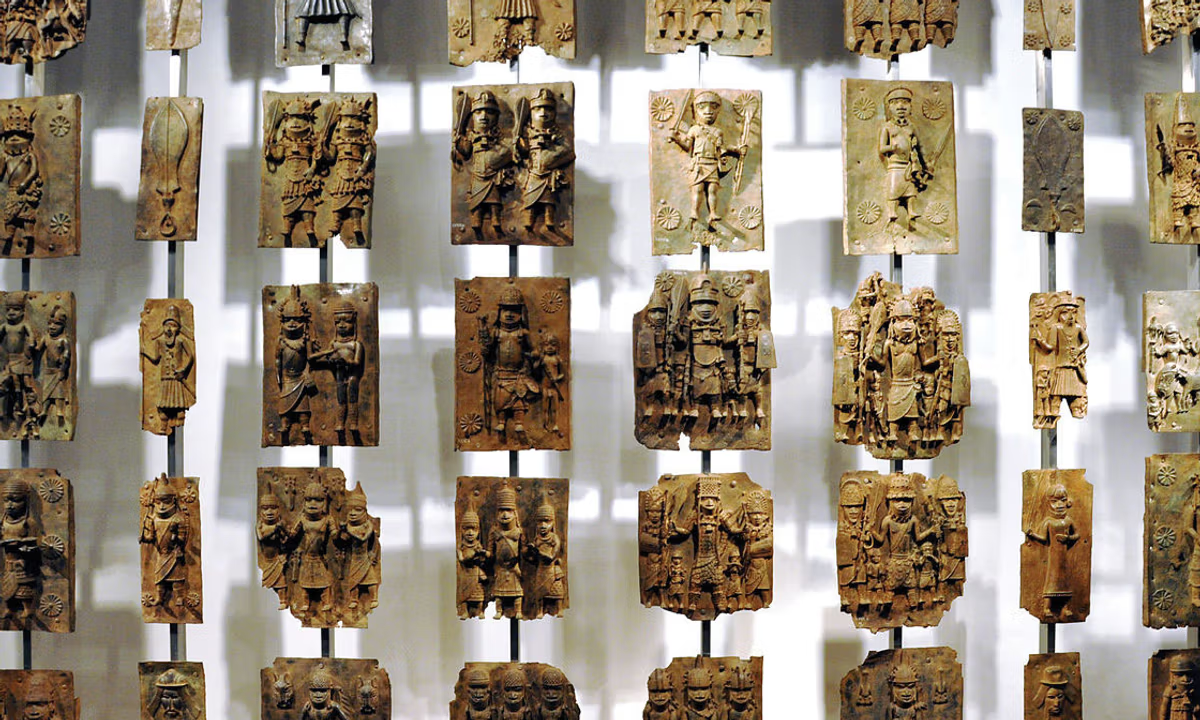
The term “Benin Bronzes” covers a range of materials, including brass, bronze, ivory, and wood. The most recognized pieces are the rectangular plaques that depict scenes from court life.
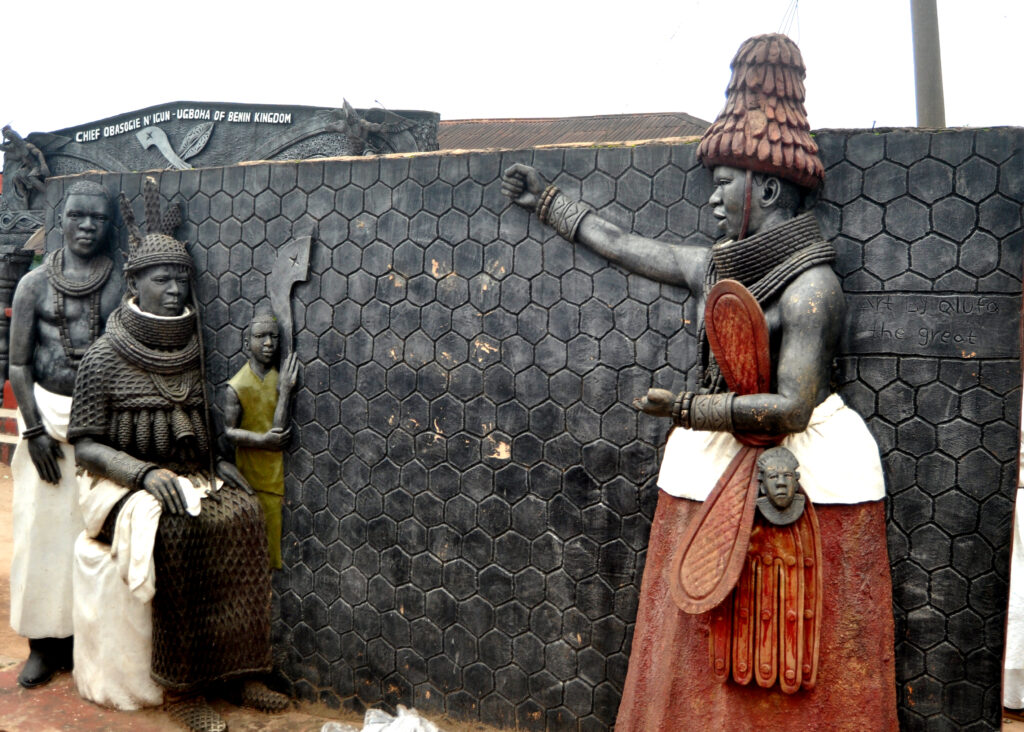
These plaques show interactions between the Oba and his chiefs, the presence of foreign traders, and moments of ceremony. They also reflect hierarchy through scale and positioning. The Oba is often larger and centrally placed, while attendants and visitors are arranged around him.
Other works include commemorative heads used in royal altars. These heads were placed to honor past Obas and maintain continuity between generations. Animal figures, such as leopards, symbolized royal power and authority.
Taken together, the bronzes form a structured record of the kingdom’s political and cultural systems.
The 1897 Expedition and the Dispersal of the Bronzes
In 1897, British forces carried out what is known as the Benin Expedition of 1897. The operation followed earlier tensions and resulted in the invasion of Benin City.
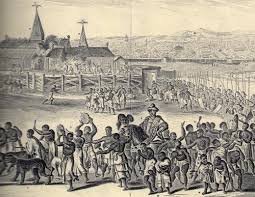
During the expedition, the royal palace was looted. Thousands of artworks were removed, including plaques, sculptures, and ceremonial objects. The Oba at the time, Ovonramwen Nogbaisi, was exiled.
The removed objects were transported out of Nigeria and later sold or distributed to museums and private collections across Europe and North America. Institutions such as the British Museum and the Ethnological Museum Berlin became major holders of these works.
From that point, the bronzes were studied and displayed outside their original context. They were often presented as examples of African art, without full reference to the circumstances under which they were taken.
Recognition and Calls for Return
Over time, the presence of the Benin Bronzes in foreign collections raised questions about ownership and historical accountability. Nigerian authorities, along with scholars and cultural organizations, began to formally request their return.
These discussions gained momentum in the 21st century. The argument was not only about legal ownership but also about restoring cultural heritage to its place of origin. The bronzes were created for specific ceremonial and historical purposes within Benin City. Their absence meant that part of that history was physically removed.
In recent years, several institutions have agreed to return Benin Bronzes to Nigeria. Germany announced the transfer of ownership of a significant number of pieces from its museums. Some objects have already been physically returned.
Universities and museums in the United Kingdom and the United States have also begun returning items from their collections. These returns are often carried out through formal agreements with Nigerian authorities.
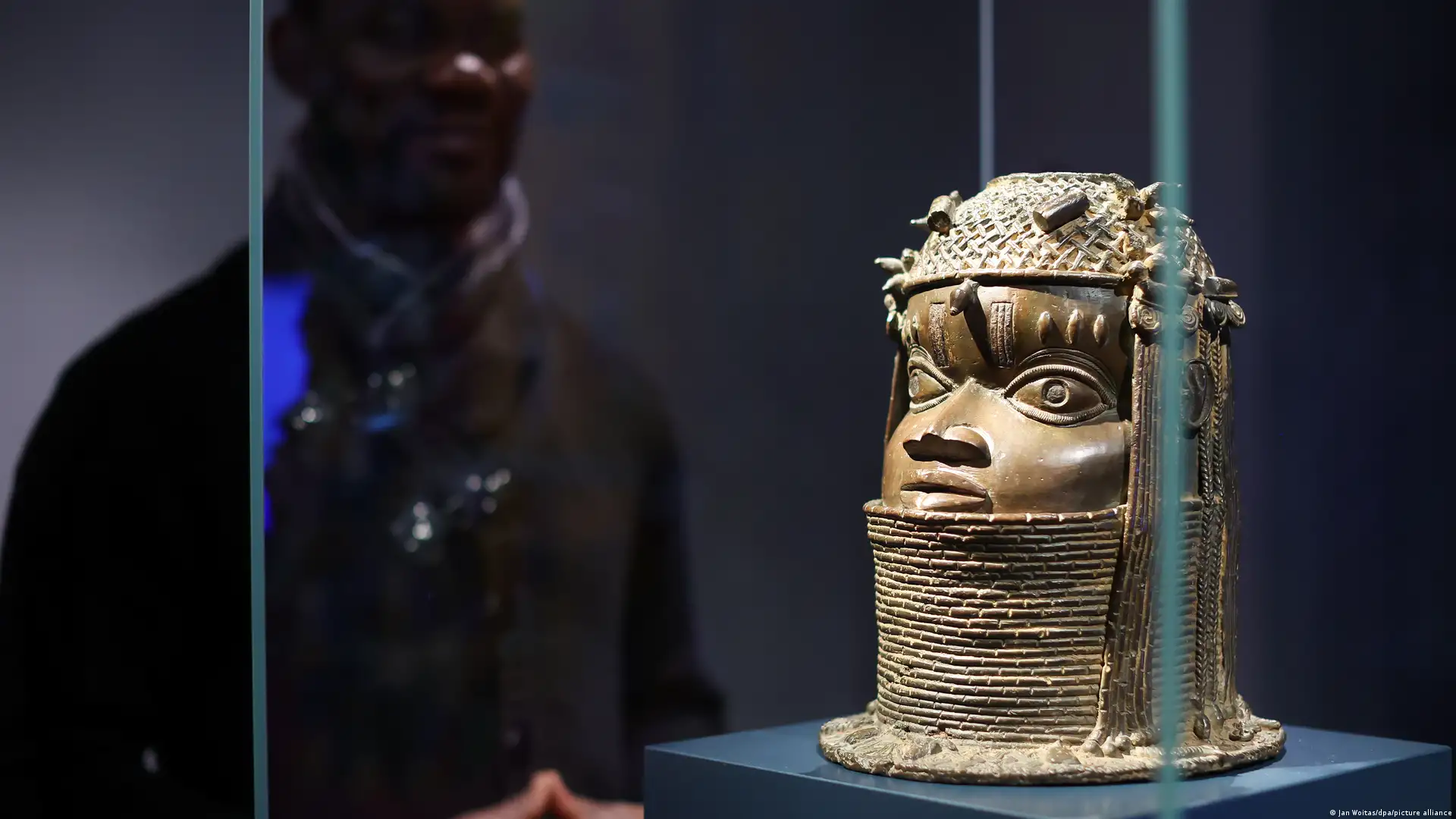
The process is ongoing and varies by institution. Some museums have committed to full repatriation, while others have entered into long-term loan arrangements. The timeline depends on legal frameworks, negotiations, and logistical planning.
Nigeria has been preparing to receive these works. Plans for new museum spaces, including facilities in Benin City, are part of the effort to house and display the returned pieces in conditions that meet international standards.
The return of the bronzes restores a connection between the objects and their place of origin. These works were created as part of a structured system tied to governance, ritual, and historical record. Their presence in Benin City allows for a more complete interpretation of that system.