Kenya is home to over 40 ethnic groups, shaped by Bantu, Nilotic, and Cushitic roots. These communities are not just defined by where they came from, but by how they live, celebrate, dress, and relate with one another today. Culture in Kenya is visible and active, showing up in food, ceremonies, language, and everyday life.
Here are some of the major tribes in Kenya, with a closer look at the cultural details that make each one distinct.
1. Kikuyu
The Kikuyu are the largest ethnic group in Kenya, making up about 17 percent of the population. They settled in the fertile central highlands around Mount Kenya after the Bantu migration.
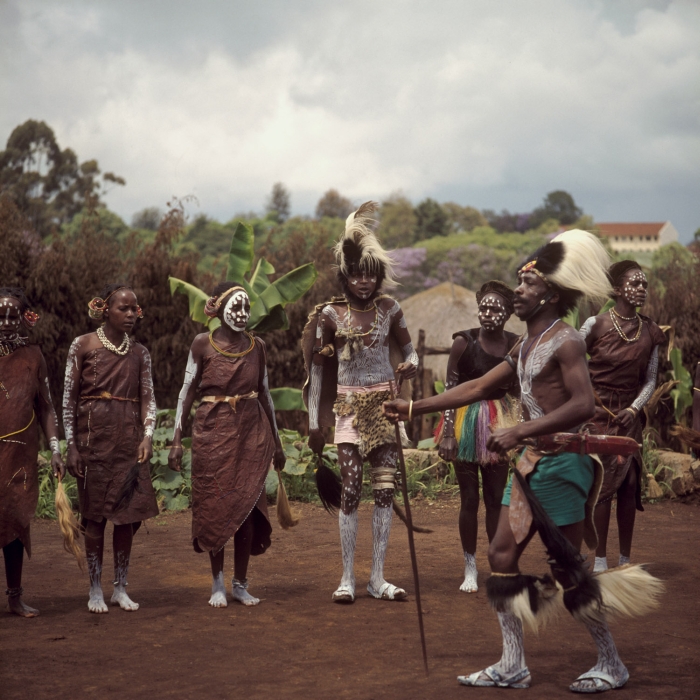
Their culture is strongly tied to land and farming. Crops like maize, beans, and coffee are not just economic activities but part of family identity. Land ownership still carries deep meaning, shaped by history, especially during the colonial period when many Kikuyu lost ancestral land.
Family structure is central to the Kikuyu. Elders traditionally guide decisions, settle disputes, and preserve customs. Ceremonies marking life stages, especially initiation into adulthood, are taken seriously and involve the wider community. Even today, respect for age and lineage remains a visible part of Kikuyu life.
2. Luhya
The Luhya, about 14 percent of the population, are a collection of several subgroups living in western Kenya. While each subgroup has its own dialect, they share strong cultural ties.
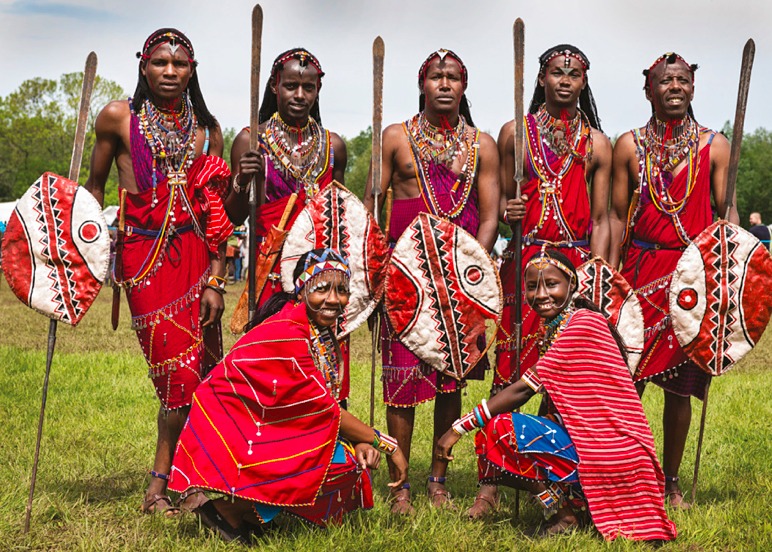
Food and community gatherings define Luhya culture. Meals are not rushed but shared, often with extended family. Ugali, vegetables, and traditional dishes are prepared in large portions, especially during events.
They particularly love music and dance. The Isukuti dance stands out, driven by fast, rhythmic drumming. It is performed during celebrations and has been recognized internationally. It is not just entertainment but a way of expressing unity and identity.
3. Luo
The Luo are a Nilotic group settled around Lake Victoria, making up about 10 percent of Kenya’s population. Their migration from the Sudan region shaped their identity, but the lake shaped their lifestyle.
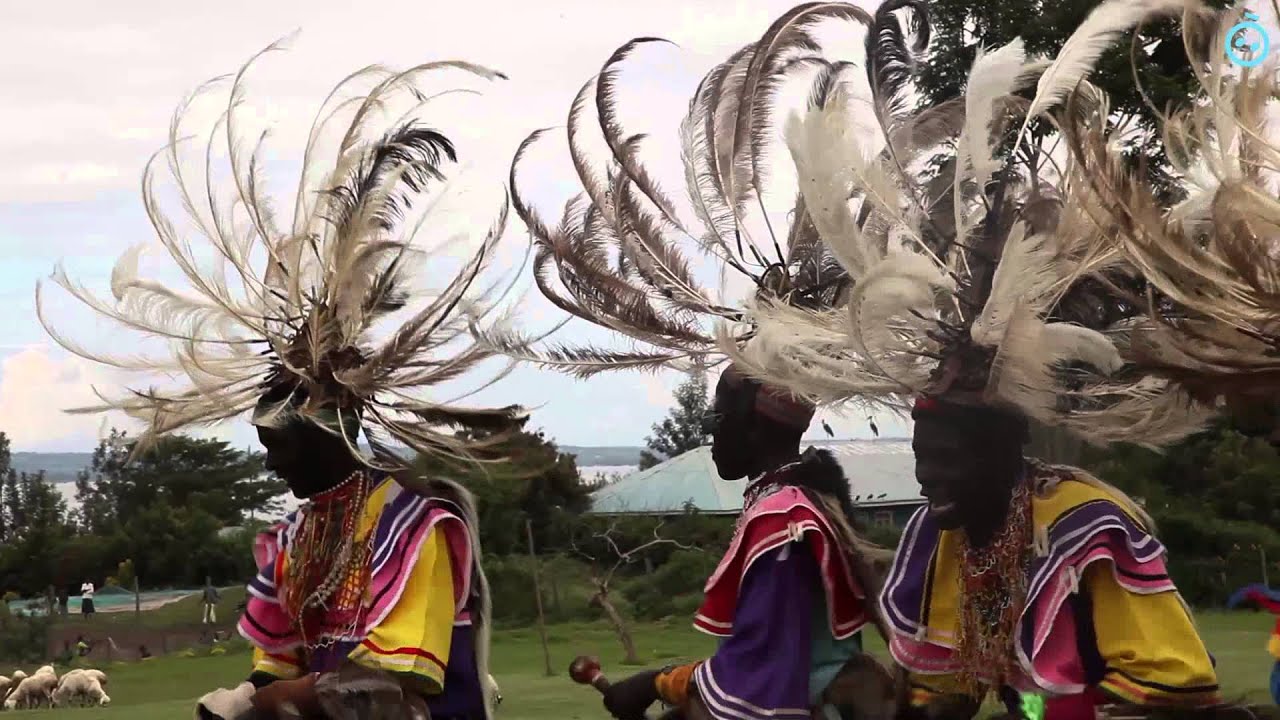
Fishing remains a strong part of their daily life. It influences diet, trade, and routines. But beyond that, the Luo are known for their rich oral tradition. Stories, history, and values are passed down through spoken word, often in gatherings.
Among the Luo, naming is personal and meaningful. Children are named based on time of birth or surrounding events, making each name a small record of history. Music is also deeply rooted, with instruments and vocals used to express both joy and reflection.
4. Kalenjin
The Kalenjin, about 12 percent of the population, live mainly in the Rift Valley. They are widely known for producing world-class long-distance runners, but their culture runs deeper than athletics.
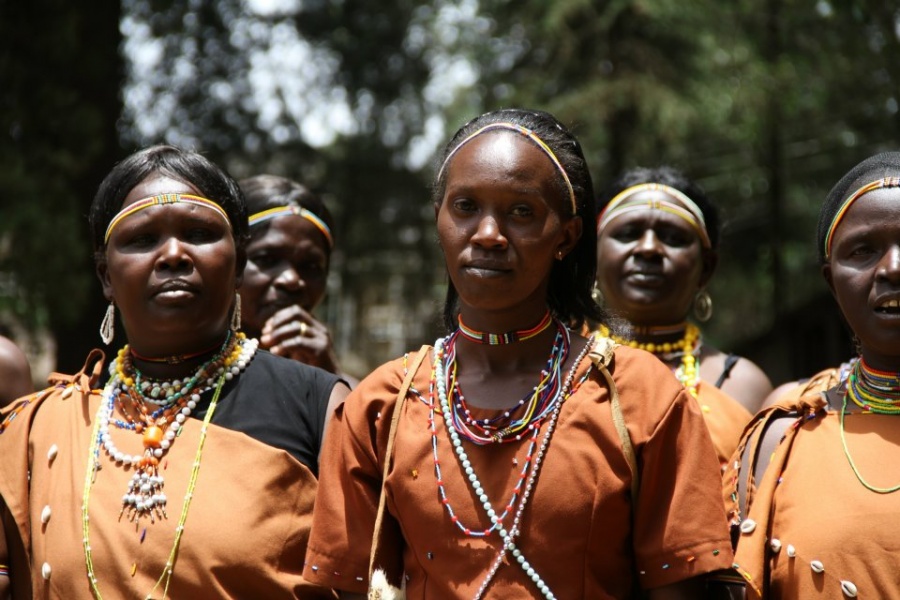
Cattle are central to their way of life. Livestock represents wealth, status, and social connection. It is used in marriage and community exchanges. Their initiation process is structured and taken seriously. It teaches discipline, responsibility, and endurance. These values are reflected in their daily life and are often linked to their global success in sports.
Among the Luo, community life is organized and grounded in shared responsibility, with strong emphasis on raising disciplined individuals.
5. Maasai
The Maasai are one of Kenya’s most recognizable groups, known for maintaining a strong traditional identity. Though smaller in number, their cultural presence is significant.
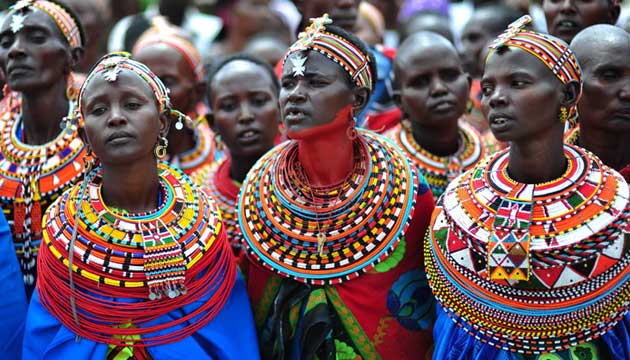
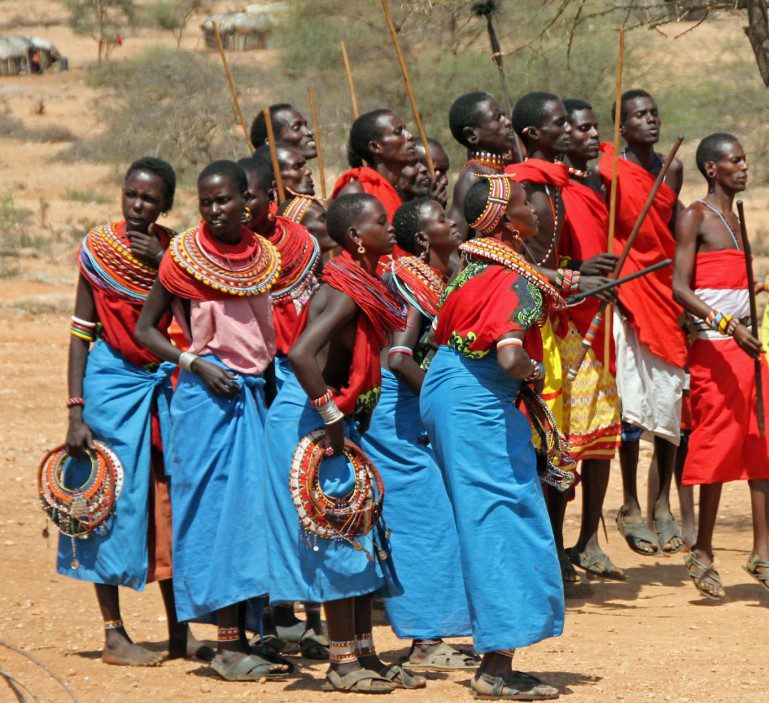
They are pastoralists, and cattle define their economy and social structure. Wealth is measured in livestock, and daily life revolves around herding. Their dress is simple but striking. Red shukas and detailed beadwork are common. The beadwork is not random. Colors and patterns indicate age, marital status, and social role.
The Moran system organizes young men into warrior groups with specific duties. These stages guide growth, responsibility, and protection of the community. Despite modern changes, many Maasai communities still hold firmly to these traditions.
6. Kamba
The Kamba, making up about 11 percent of the population, are found in eastern Kenya. Historically, they were known as traders, connecting inland communities with the coast.
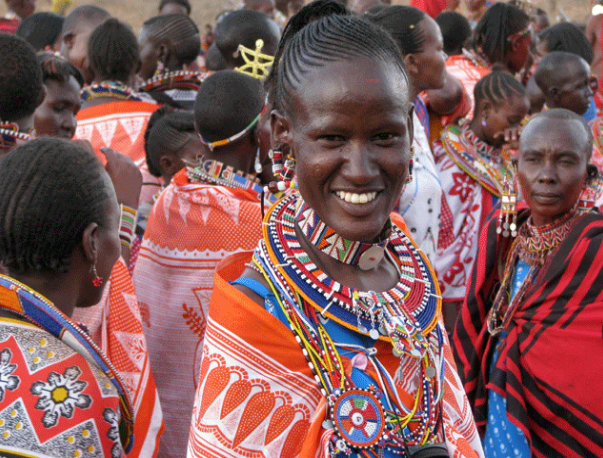
Today, they are widely recognized for their craftsmanship. Wood carving is a major cultural expression, producing sculptures that are sold across Kenya and beyond. This skill has been passed down through generations and remains a strong part of their identity.
Music and storytelling are also important. Songs are used to share history, mark events, and entertain. Their culture feels expressive, with creativity at its center.
7. Somali
The Somali community, about 6 percent of the population, is concentrated in northeastern Kenya. They are part of the Cushitic group and have strong ties to the Horn of Africa.
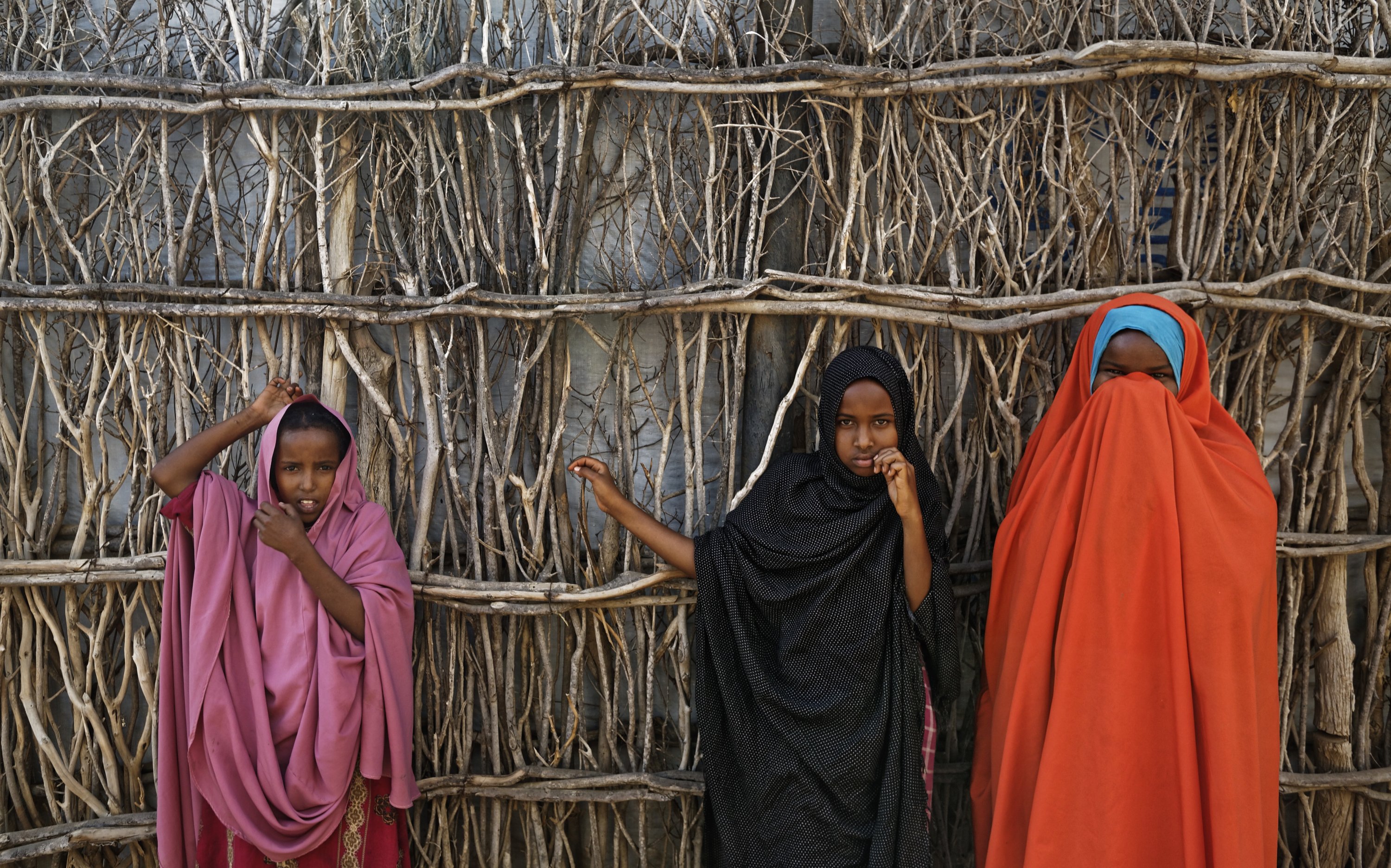
Their lifestyle has long been shaped by pastoralism. Camels, goats, and sheep are central to survival and trade. Camels, especially, are highly valued in their culture. Islam plays a major role in their daily life here. It shapes dress, food, and social interactions. Poetry is highly respected, often used to express ideas, debate issues, and preserve history.
In urban areas, Somali communities are also known for strong business networks, especially in trade and commerce.
8. Turkana
The Turkana live in the dry northwest and have adapted to one of Kenya’s harshest environments. Their culture is built around survival and movement.
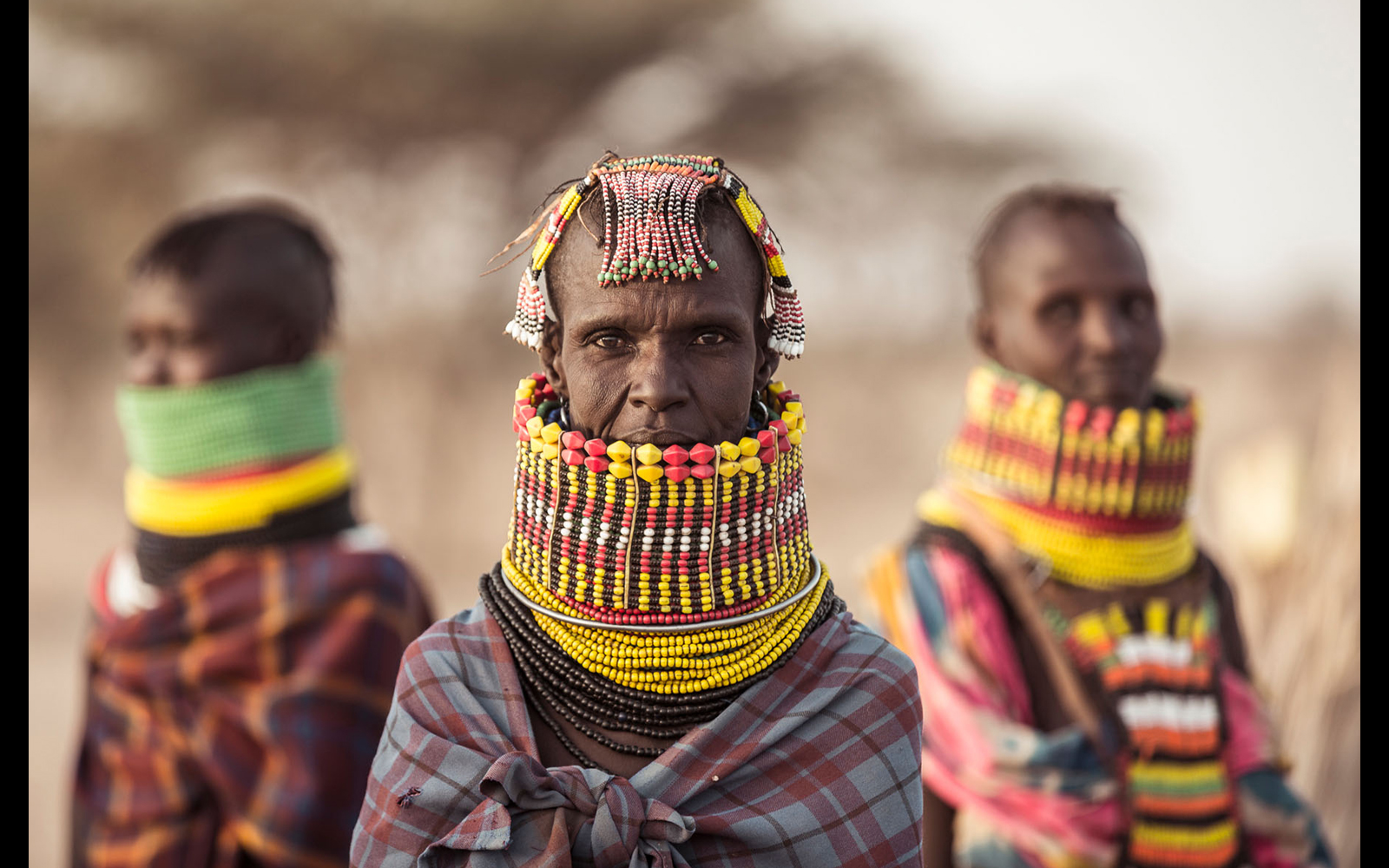
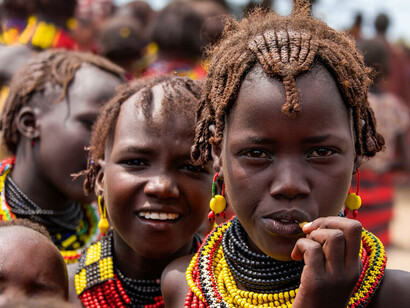
They are pastoralists, constantly moving with livestock in search of water and pasture. This mobility defines their way of life. For this tribe, adornment is quite important. Beads, necklaces, and hairstyles are used to show identity, age, and achievements. These details carry meaning within the community.
Despite environmental challenges, Turkana communities maintain strong social bonds and shared responsibility in managing limited resources.
9. Kisii
The Kisii, also known as Abagusii, are found in southwestern Kenya. They are known for intensive farming due to fertile land and high population density.
Farming is both a livelihood and a tradition, with crops like bananas, maize, and tea widely grown. Families often work closely together on farms, reinforcing strong household structures.
Soapstone carving is a standout cultural feature. Kisii artisans produce smooth, detailed sculptures that are recognized internationally. This craft connects culture with income in a practical way. Till today, respect for elders and strong family systems continue to guide social life.
Final Note
Kenya’s tribes are not just historical groups. Their cultures are active, practical, and visible in everyday life. From food and clothing to ceremonies and work, each community offers a different way of living. Understanding these differences gives a clearer, more grounded view of Kenya beyond its landscapes.