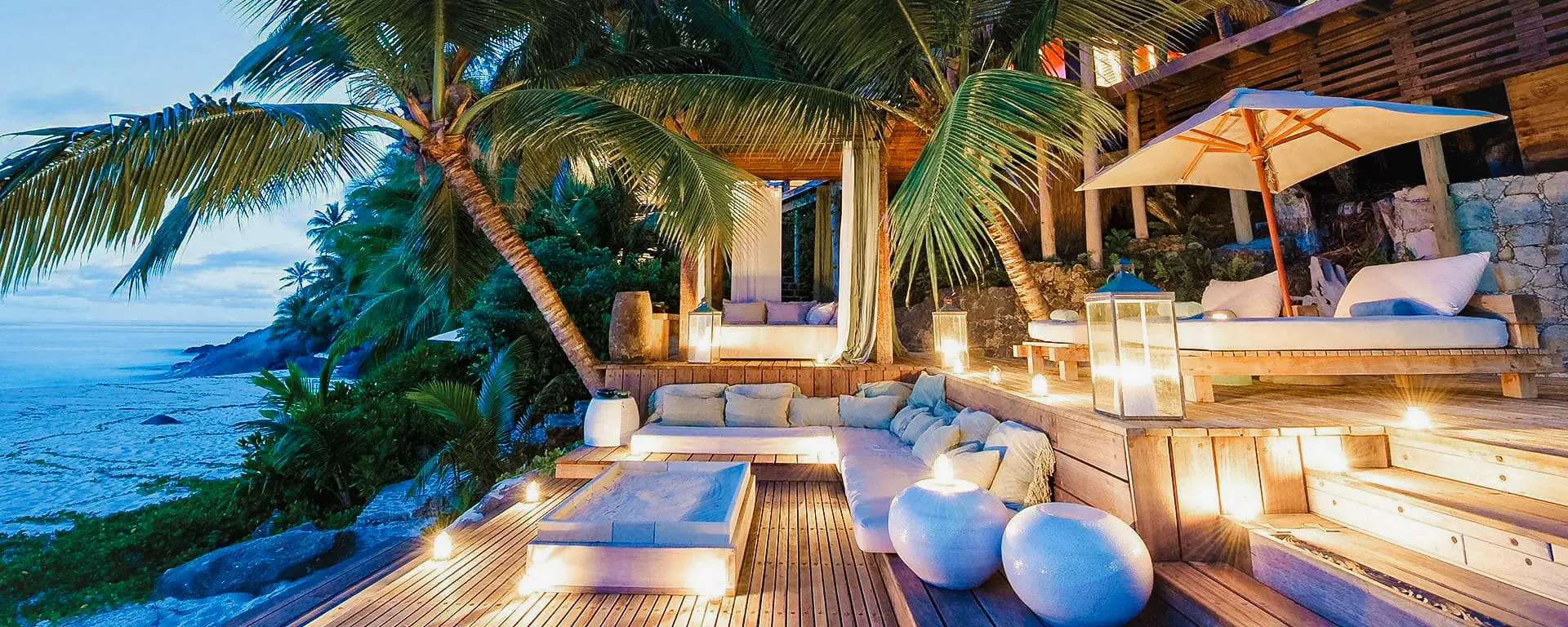
Seychelles is often imagined as a single postcard destination, but the country is an archipelago of 115 islands scattered across the Indian Ocean. Each island carries its own pace, landscape, and personality. Staying on just one limits what you can see and understand about the place.
Island hopping is not an unnecessary upgrade to your plans, but the most practical way to experience Seychelles properly.
Understanding the Geography of Seychelles
The islands of Seychelles are divided into two main groups: inner islands and outer islands. Most travelers focus on the inner islands because they are accessible and connected by regular transport.
The three islands that shape most travel itineraries are:
- Mahé
- Praslin
- La Digue
These islands sit relatively close to each other, making movement between them straightforward by ferry or short domestic flights. Each one offers a distinct experience, and skipping any of them leaves a gap in your understanding of Seychelles.
Mahé: The Entry Point With Depth
Most international flights land on Mahé, and many visitors treat it as a transit stop. That approach misses a large part of what Seychelles offers.
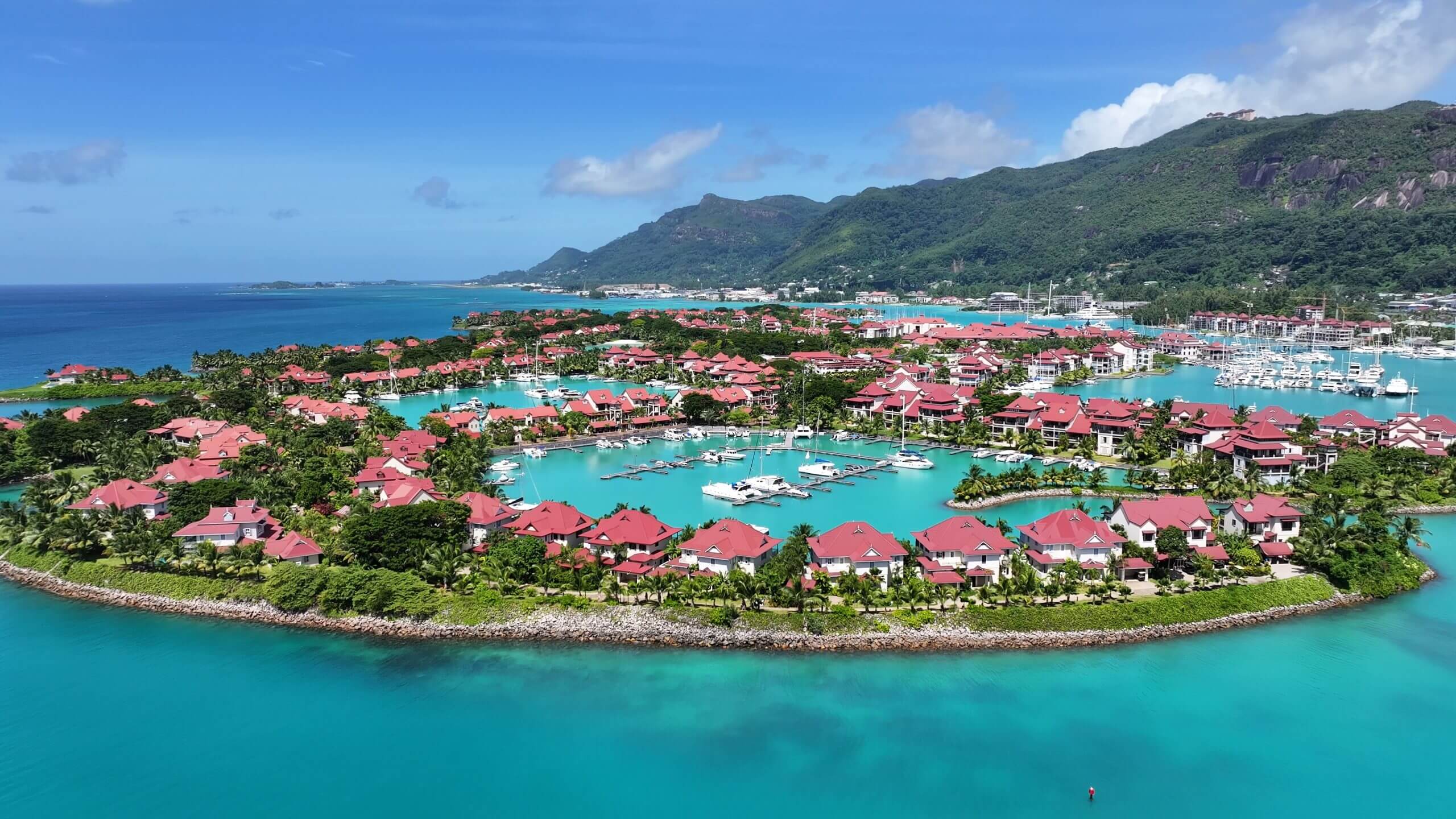
Mahé is the largest island and holds the capital, Victoria. It combines infrastructure with natural landscapes in a way the smaller islands cannot.
The island has over 60 beaches, each with different characteristics. The western coast faces the open ocean and produces dramatic waves, while the eastern side is calmer and more suitable for swimming. Inland, Morne Seychellois National Park covers a large portion of the island, offering hiking trails with views over the coastline.
Mahé is also where you see everyday Seychellois life. Local markets, public beaches, and roadside food stalls give a clearer sense of how people live beyond the resort spaces.
It is recommended that you spend at least two to three days here to allow you to settle into the country, adjust to the pace, and explore without pressure.
Praslin: Where Nature Becomes the Focus
A short ferry ride from Mahé brings you to Praslin, an island that shifts the focus toward nature and conservation.
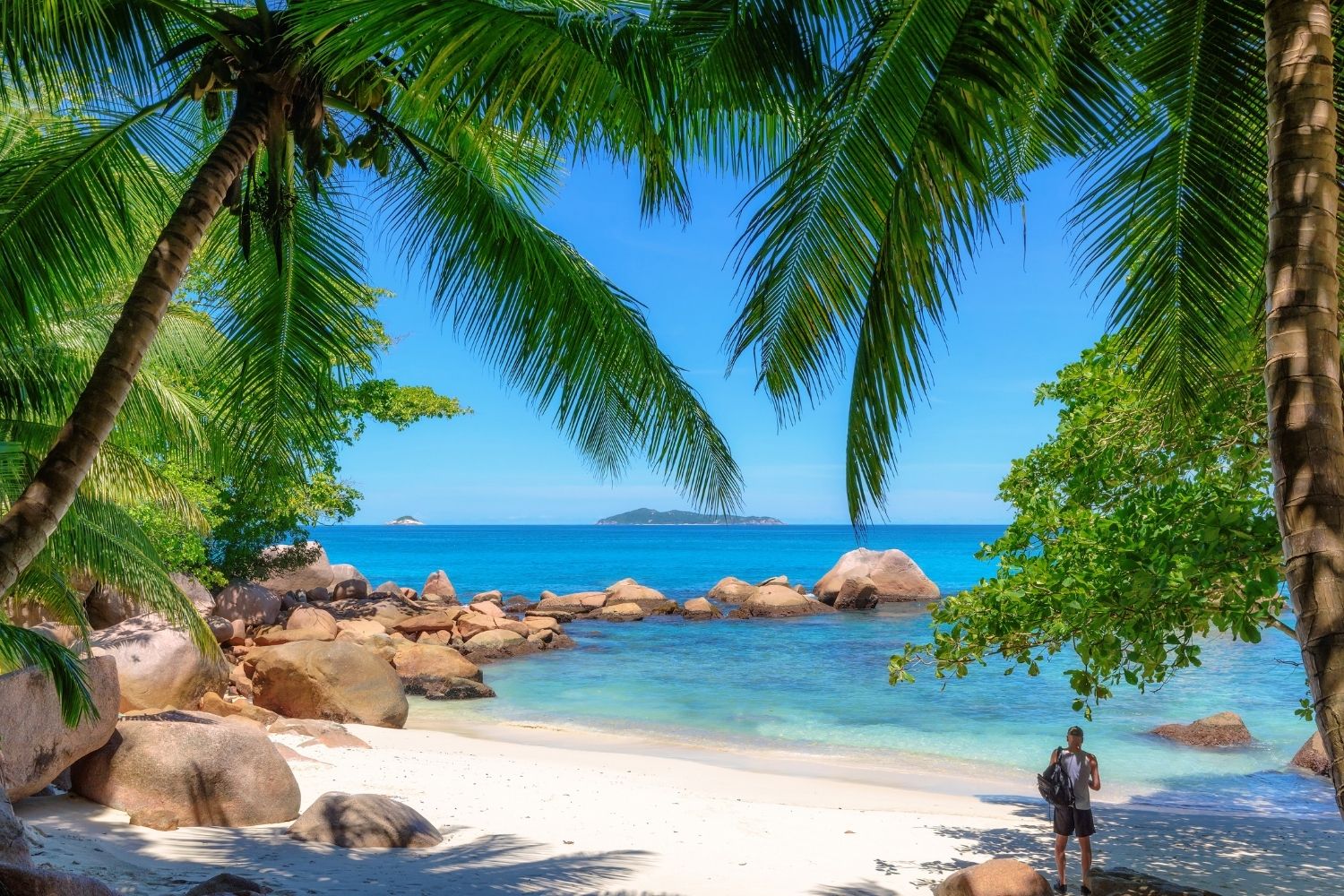
Praslin is home to the Vallée de Mai Nature Reserve, a protected forest known for the rare Coco de Mer palm. This is not a decorative park. Rather, it's a dense, ancient forest where the canopy blocks sunlight and creates a quiet, enclosed environment. Walking through it gives a sense of how the islands may have looked before development.
The beaches on Praslin are widely regarded as some of the best in Seychelles. Anse Lazio stands out for its clear water and open stretch of sand, while Anse Georgette offers a more secluded setting with controlled access.
Praslin moves at a slower pace than Mahé. There is less traffic, fewer crowds, and more space between accommodations. It works well for travelers who want to focus on landscape, quiet beaches, and unhurried exploration.
Two to three days here is usually enough to cover the main highlights without rushing.
La Digue: The Slowest Island Experience
From Praslin, a 15-minute ferry takes you to La Digue. And the shift kicks in immediately you arrive.
La Digue has very few cars. Most movement happens by bicycle or on foot. The roads are narrow, distances are short, and the pace is noticeably slower.
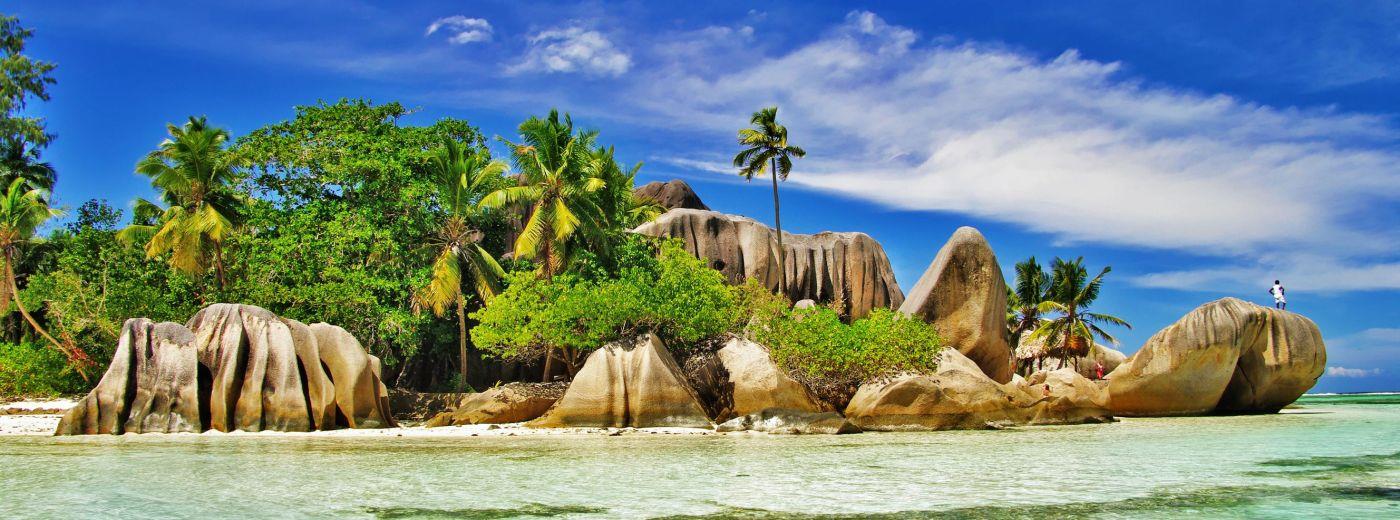
The island is best known for Anse Source d’Argent, a beach shaped by large granite boulders that have been worn smooth over time. The combination of shallow water, pale sand, and rock formations creates one of the most photographed coastal landscapes in the world.
Beyond that, La Digue offers smaller beaches, traditional houses, and a more local atmosphere. There is less separation between visitors and residents, and daily life is more visible.
Cycling across the island allows you to stop at different beaches, farms, and viewpoints without following a strict plan. The environment encourages you to move slowly and observe more.
A stay of one to two days is usually enough to experience the island fully.
How to Move Between the Islands
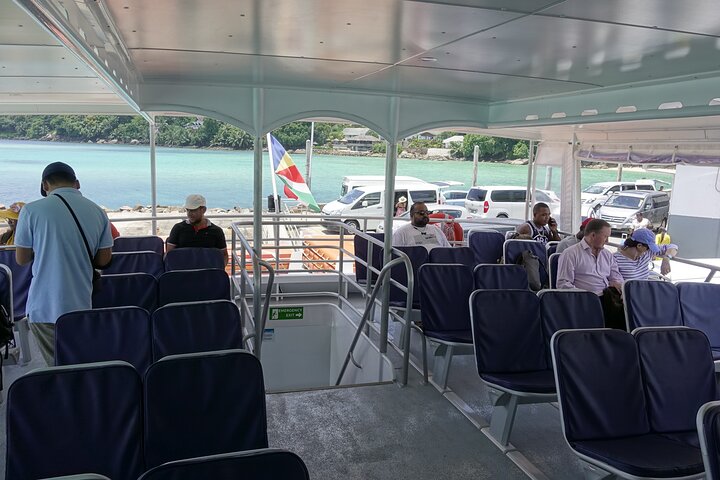
Transport between Mahé, Praslin, and La Digue is well organized and reliable. Ferries are the most common option. They run daily and connect all three islands, ad the travel times are manageable:
- Mahé to Praslin: about 1 hour
- Praslin to La Digue: about 15 minutes
Flights are available between Mahé and Praslin for those who want to reduce travel time, but ferries are more commonly used and more cost-effective. Booking tickets in advance is recommended during peak travel periods, especially between July and October.
How Many Islands Should You Visit?
For most travelers, visiting all three main islands provides the most complete experience.
A typical 6 to 7 day itinerary could look like this:
1. 2 to 3 days in Mahé
2. 2 to 3 days in Praslin
3. 1 to 2 days in La Digue
This structure balances travel time with exploration. It also allows you to experience different environments without feeling rushed. Trying to visit too many islands within a short time often reduces the quality of the experience. The distances may be short, but each transfer still requires planning and time.
Cost Considerations for Island Hopping
Island hopping adds to the overall cost of a Seychelles trip, but it does not make it inaccessible.
Ferry tickets, accommodation on multiple islands, and transfers between ports all contribute to the budget. However, these costs can be managed by choosing mid-range guesthouses instead of high-end resorts.
Mahé generally offers the widest range of accommodation options, including more affordable stays. Praslin and La Digue tend to have fewer budget options, but guesthouses remain available.
Planning your route in advance helps reduce unnecessary transfers and keeps costs predictable.
Final Thoughts
Island hopping in Seychelles is not complicated, but it requires intention. Choosing where to go, how long to stay, and how to move between islands determines the quality of your trip. For travelers who want to see Seychelles beyond a single setting, moving between islands is the approach that delivers the most value.