# Ghana Year of Return: The Diaspora's Guide to Coming Home For millions across the African diaspora, Ghana is more than a destination — it is a homecoming. Since the government's landmark **Year of Return** declaration in 2019, marking 400 years since the first enslaved Africans were taken from the continent, Accra has become the symbolic gateway for Black travelers reconnecting with ancestry, culture and community. The follow-up initiative, **Beyond the Return** (2020–2030), turned that one-year moment into a decade-long invitation: come, stay, invest, belong. This guide is for first-time visitors planning that trip — the cousins from Atlanta, the families from London, the students from São Paulo, the elders from Kingston. It blends practical travel logistics with the cultural and historical context that makes a Ghana visit meaningful rather than merely scenic. ## Why Ghana, why now Ghana was the first sub-Saharan African country to gain independence (1957), and Accra has long positioned itself as the diaspora's intellectual home — the city where **W.E.B. Du Bois** chose to spend his final years, where **Kwame Nkrumah** articulated Pan-Africanism, where Maya Angelou taught and wrote. The Year of Return formalized what already existed in spirit: an open door, citizenship pathways for descendants of the enslaved, and a tourism economy built around heritage rather than safari. Visiting now means you'll find infrastructure that didn't exist a decade ago — restored slave-castle museums, diaspora welcome centers, a thriving Afrobeats and Afro-fusion scene in Osu and Labadi, and a flight network that's never been denser. ## Visas and entry Most diaspora travelers need a visa. As of 2026 the practical options are: - **e-Visa (recommended)** — apply online through the Ghana Immigration Service portal. Approval typically arrives within 3–5 business days; single-entry tourist visas are valid 90 days. - **Visa on arrival** — available at Kotoka International Airport (ACC) for citizens of select countries and for travelers on approved Year of Return / Beyond the Return programs. Confirm eligibility before flying. - **Right of Abode** — descendants of enslaved Africans can apply for indefinite-stay status. This is a longer process handled through Ghanaian consulates; start it months before travel. You'll also need: a passport valid for at least 6 months, a yellow-fever vaccination certificate (mandatory, checked at the airport), proof of accommodation, and a return ticket. ## When to go Ghana has two seasons that matter for travelers: - **Dry season (November–March)** — the sweet spot. Cooler temperatures (24–32°C), low humidity, clear skies for photography. December is festival season: **Afrochella / Afro Future**, **Detty December**, the **Chale Wote Street Art Festival** echo, and the official Year of Return / Beyond the Return events cluster around the holidays. Expect higher flight and hotel prices; book 3–4 months ahead. - **Wet season (April–October)** — green, lush, far fewer tourists, and 30–50% cheaper. The heaviest rains hit June–July; September is a good compromise. **Emancipation Day (August 1)** and the **PANAFEST** biennial cultural festival are major draws if your timing aligns. The shoulder weeks of **early November** and **late March** offer the best price-to-weather ratio. ## The essential heritage circuit A first visit should anchor itself in three regions: **Accra** (the modern diaspora capital), the **Central Region** (the slave castles), and the **Eastern Region** (Akwapim ridge, Aburi). Two weeks gives you all three with breathing room; one week forces hard choices. ### Accra (3–5 days) - **W.E.B. Du Bois Memorial Centre for Pan-African Culture** — Du Bois's home, library and grave. Quiet, deeply moving, and the single best place in Accra to understand why so many diaspora intellectuals chose Ghana. - **Kwame Nkrumah Mausoleum and Memorial Park** — the founding father's tomb, set in a granite-and-water park that doubles as Accra's most important civic space. - **Independence Square (Black Star Square)** — the second-largest public square in the world; visit at golden hour. - **Jamestown** — the oldest neighborhood in Accra. The lighthouse, the fishing harbor, the boxing gyms, the murals from Chale Wote. Hire a local guide; don't wander alone with a camera. - **Makola Market** — the city's commercial heart. Bring small bills, leave the watch at the hotel, go with someone who knows the lanes. - **Osu and Labadi** — restaurants, rooftop bars, Afrobeats clubs, the beach scene. This is where most diaspora travelers spend their evenings. ### Cape Coast and Elmina (2 days, with overnight) The two-hour drive west from Accra leads to the UNESCO World Heritage slave castles — the most important historical sites on the continent for any diaspora traveler. **Do not rush this.** - **Cape Coast Castle** — the larger and better-interpreted of the two. The "Door of No Return" tour is harrowing; expect to be silent for hours afterward. The on-site museum contextualizes the trans-Atlantic trade with primary documents and artifacts. - **Elmina Castle** — the older site (1482), more architecturally intact, with a smaller and more intimate tour. Many travelers do both castles in one day; consider splitting them with an overnight in Cape Coast town. - **Kakum National Park** — 30 minutes inland, a rainforest canopy walkway 30 meters above the forest floor. Best paired with the castles to balance the emotional weight of the day before. - **Assin Manso Ancestral Slave River Park** — the "Last Bath" site, where captives were washed before being sold. A symbolic naming ceremony is offered for diaspora visitors. ### Aburi and the Eastern hills (1–2 days) - **Aburi Botanical Gardens** — colonial-era gardens on the cool Akwapim ridge, an hour from Accra. Pack a picnic; rent a bicycle. - **Boti Falls and the Umbrella Rock** — a long but rewarding day trip. - **Volta Region (extension)** — for travelers with more time: Wli Falls, Mount Afadja, and Lake Volta's island communities. ## Suggested itineraries ### 7-day "First Look" ``` Day 1 — Arrive Accra. Rest. Sunset at Labadi Beach. Day 2 — Accra heritage: Du Bois Centre, Nkrumah Mausoleum, Independence Square. Day 3 — Jamestown walking tour AM; Makola Market PM. Day 4 — Drive to Cape Coast. Elmina Castle in the afternoon. Day 5 — Cape Coast Castle (morning), Kakum canopy walk (afternoon). Overnight back in Accra or in Cape Coast. Day 6 — Aburi gardens day trip. Evening: Afrobeats night in Osu. Day 7 — Free day for shopping (kente in Makola, art in Jamestown), then fly out. ``` ### 14-day "Roots and Rhythm" Add: a **naming ceremony** at Assin Manso, two nights in **Kumasi** for the Manhyia Palace and Kejetia Market, a **Volta Region** extension, and a quiet beach-and-writing finale at **Ada Foah** on the Volta estuary. ## Costs and budgeting (USD) Ghana is more affordable than most diaspora travelers expect, but Accra has a real high-end market — you can spend in dollars whatever you choose to. - **Flights** — USD 700–1,400 round-trip from major U.S. and U.K. hubs in shoulder seasons; USD 1,300–2,200 in December. - **Hotels** — USD 35–80/night for clean mid-range guesthouses; USD 120–250 for boutique hotels in Cantonments or Airport Residential; USD 300+ for international chains. - **Food** — USD 3–6 for street food and chop bars; USD 12–25 for sit-down restaurants in Osu; USD 40+ at the top hotels. - **Transport** — Uber and Bolt are widely available in Accra and reliable (USD 2–8 most rides). Hire a driver for long-distance days (USD 60–90/day all-in). - **Heritage sites** — castle entry runs USD 8–15 with a guide; tips are expected and appreciated. A comfortable 10-day trip for one person, excluding flights, lands around **USD 1,500–2,500** depending on hotel choice. ## Cultural etiquette - **Greet first.** "Akwaaba" ("welcome") and "ɛte sɛn?" ("how are you?") open every interaction. Skipping the greeting is genuinely rude. - **Right hand only** for eating, giving and receiving — the left hand is reserved for personal hygiene. - **Dress modestly** at heritage sites and outside the cities. Cover shoulders and knees at castles, churches and mosques. - **Ask before photographing people**, especially elders, market traders and worshippers. A small tip (USD 1–2) is normal if requested. - **Take off shoes** before entering homes and many shops. - **Don't haggle aggressively** in markets — the relationship matters more than the price. ## What to pack Light cotton and linen; one long-sleeve layer for cool evenings on the Aburi ridge; sturdy sandals plus closed-toe shoes for Kakum and Jamestown; an unlocked phone for a local SIM (MTN or Telecel, USD 5–10 for a tourist data bundle); insect repellent with DEET; sunscreen; a refillable water bottle; small USD bills for tips; a modest outfit if a naming ceremony is on the itinerary. ## Safety Ghana is one of the safest countries in West Africa for diaspora travelers. The realistic risks are **pickpocketing in crowded markets**, **road accidents on long-distance drives** (use a hired driver, not a tro-tro for cross-country travel), and **stomach upsets** in the first 48 hours (start with cooked food and bottled water; let your system adjust before street snacks). Petty scams targeting tourists exist but are easily avoided by booking through verified vendors and ignoring uninvited "guides" outside major sites. ## Coming back changed The Year of Return wasn't a marketing campaign. It was an offer. Ghana asked the diaspora to come not as tourists but as relatives — to stand at the Door of No Return and walk back through it, to drink from the Slave River and receive a Ghanaian name, to invest, to stay, to belong. **Beyond the Return** has kept that door open through 2030. If you've been waiting, this is the trip. Plan it well, travel slowly, and let Ghana do what Ghana does. --- **Plan your Year of Return trip with MyBlak.** Browse our Ghana heritage tours, trace your roots with our ancestry mapping tools, or talk to Ada — our AI Destination Assistant — to build a custom itinerary in minutes.
Editorial
June 24, 2026Ghana Year of Return: The Diaspora's Guide to Coming Home

5 views
Read next
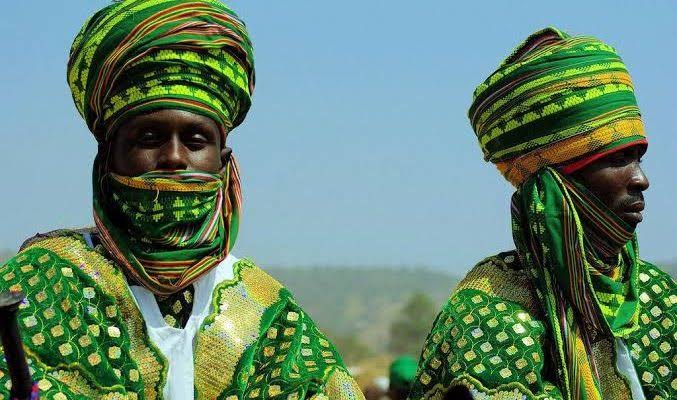
Yoruba, Igbo & Hausa: A Traveler's Starter Guide to Nigeria's Big Three Cultures
Yoruba, Igbo, and Hausa: Nigeria's three major cultures explained. Your essential Nigeria culture guide before your first (or next) trip home with useful tips on common greetings.
Sep 4, 2026
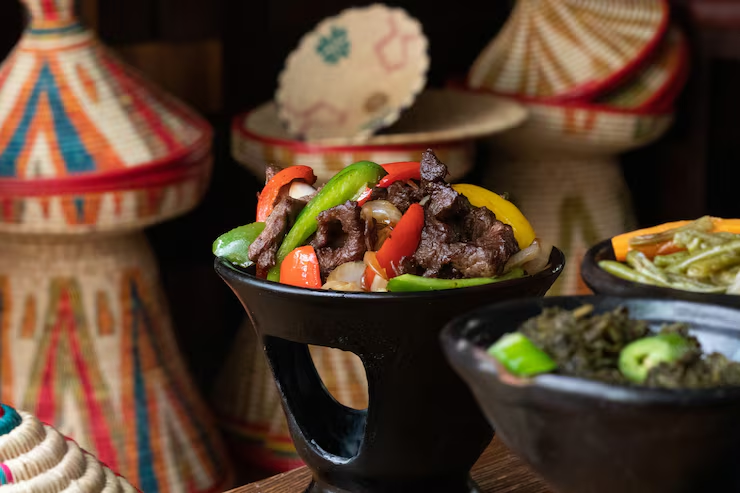
Djibouti National Dish and Local Foods You Need to Try
Craving something different? Discover Djibouti's national dish and the bold flavors behind it; a must-try guide to authentic Djiboutian cuisine.
Aug 28, 2026
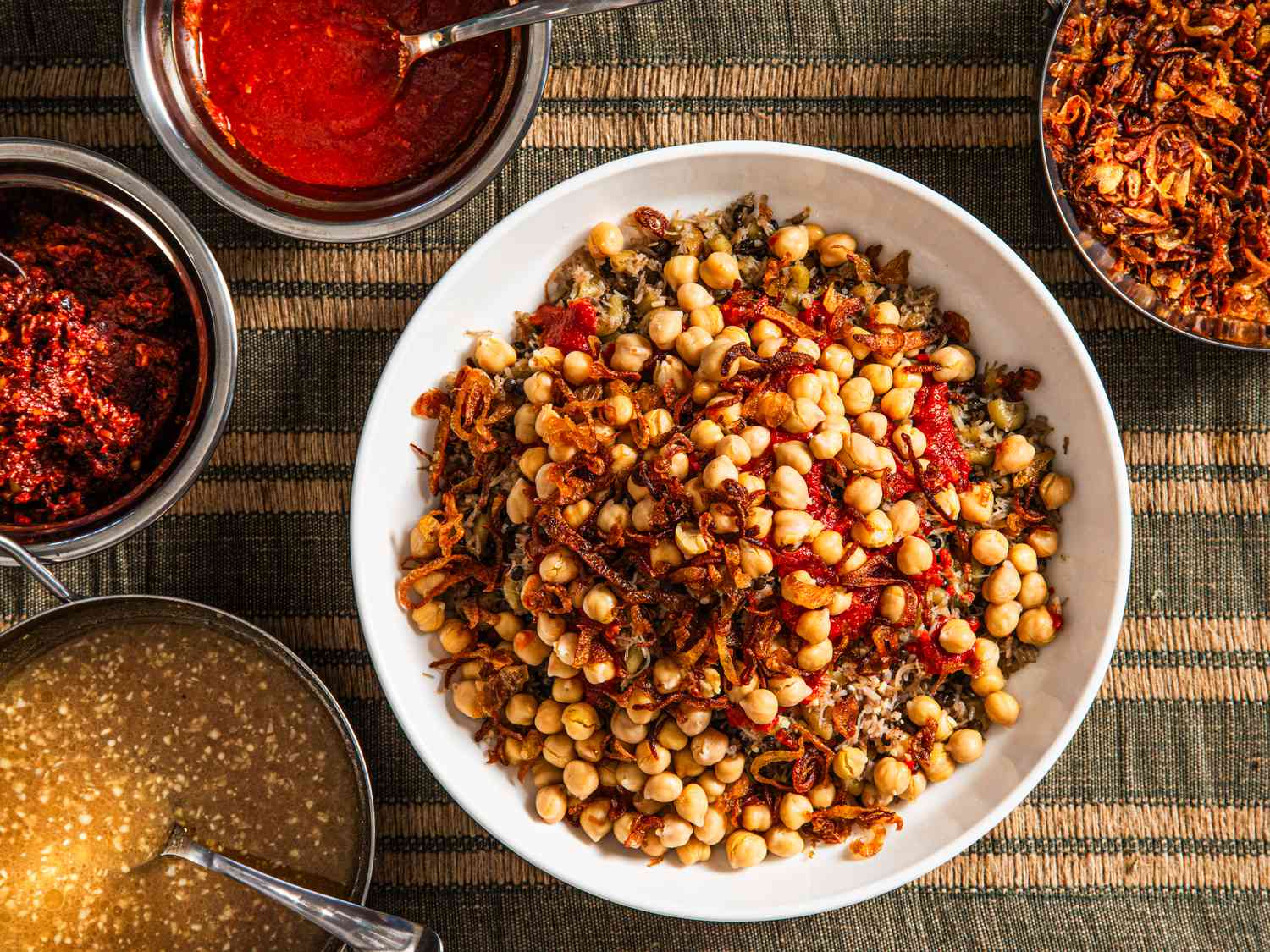
Egyptian Street Foods and Traditional Dishes
Explore the best Egyptian street foods and traditional dishes, from koshari and ful medames to taameya, hawawshi, and other delicious local favourites.
Aug 28, 2026