Equatorial Guinea is one of Africa's smallest and least visited countries, but also one of its most intriguing. It comprises of a mainland territory (Mbini) and several islands including the lush Bioko. This tiny nation holds the unusual distinction of being Africa's only Spanish-speaking country, a legacy of its colonial past that, cuisine-wise, mingles fascinatingly with Fang, Bubi, and other indigenous cultures.
The food here is rainforest-rich, ocean-fresh, and deeply West-Central African in character. If you're planning a trip to this country or seeking to expand your food options with authentic dishes, here are what you can try.
1. Sopa de Pescado (Fish Soup)
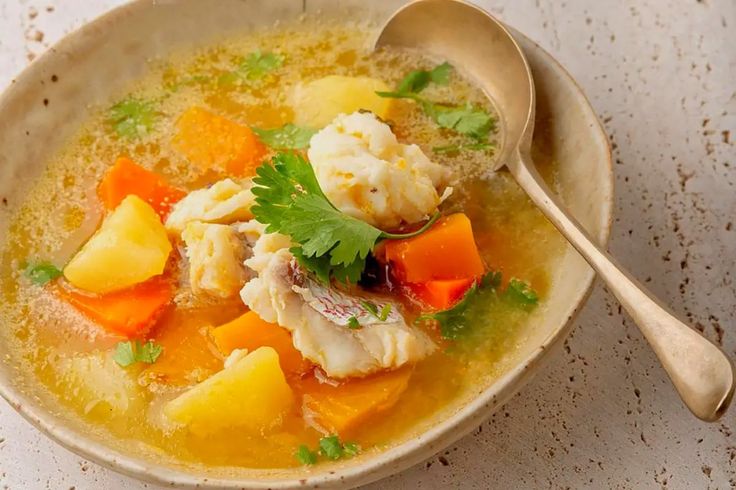
Fresh Atlantic fish simmered with tomatoes, onions, garlic, palm oil, and local spices into a deeply flavoured, nourishing soup. Because Equatorial Guinea is surrounded by the Atlantic on one side, fish is the cornerstone of the diet on Bioko Island, and sopa de pescado is the daily comfort of their coastal communities.
2. Pepesup (Pepper Soup)
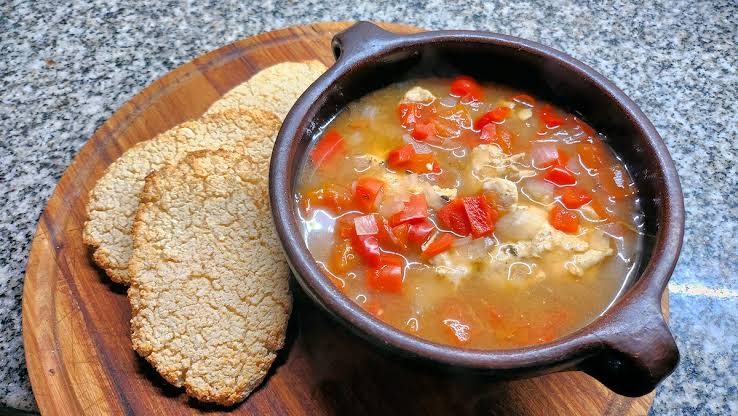
This dish is a fiery, aromatic broth made from goat, fish, or bush meat, simmered with an intense blend of local pepper, crayfish, and spices. Pepesup is a West African classic done in the Equatoguinean way: tasty, warming, and deeply satisfying.
3. Mbanga Soup (Palm Nut Soup)
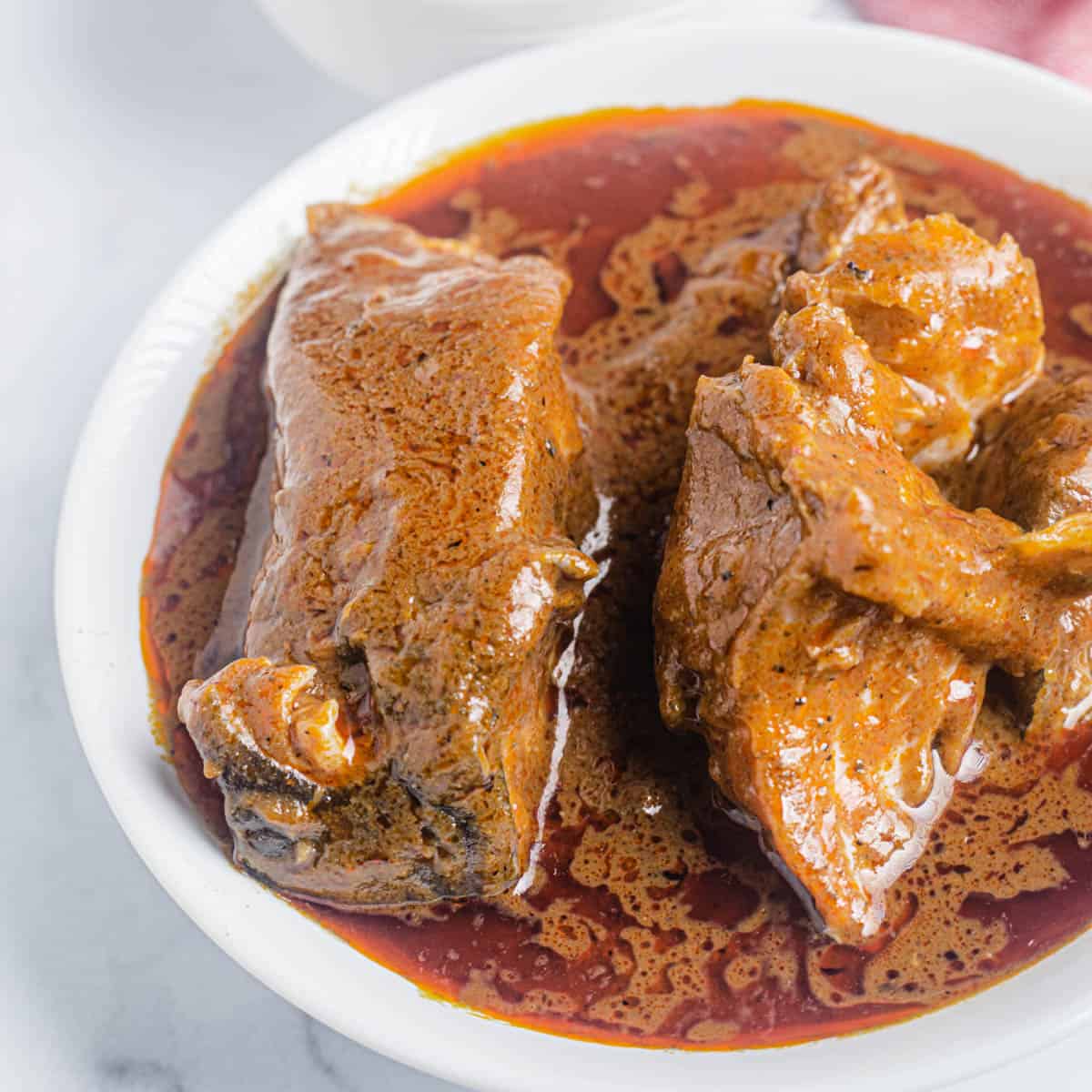
Extracted from whole palm nuts, this rich, orange soup is cooked with fish, chicken, or smoked meats and served over rice or with plantain fufu. The palm nut gives it a natural creaminess and a depth of flavour that is one of West-Central Africa's greatest contributions to world cuisine.
4. Fufu de Ñame (Yam Fufu)
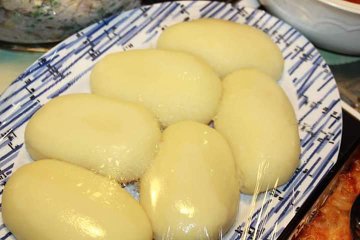
Yam fufu is simply pounded yam beaten to a smooth, elastic consistency. It is the starchy backbone of mainland Equatorial Guinea's cuisine. It's eaten with hands, scooped to accompany soups and stews, and made with the kind of dedicated effort that tells you it matters deeply to the people who make it.
Read more: Djibouti National Dish and Local Foods You Need to Try
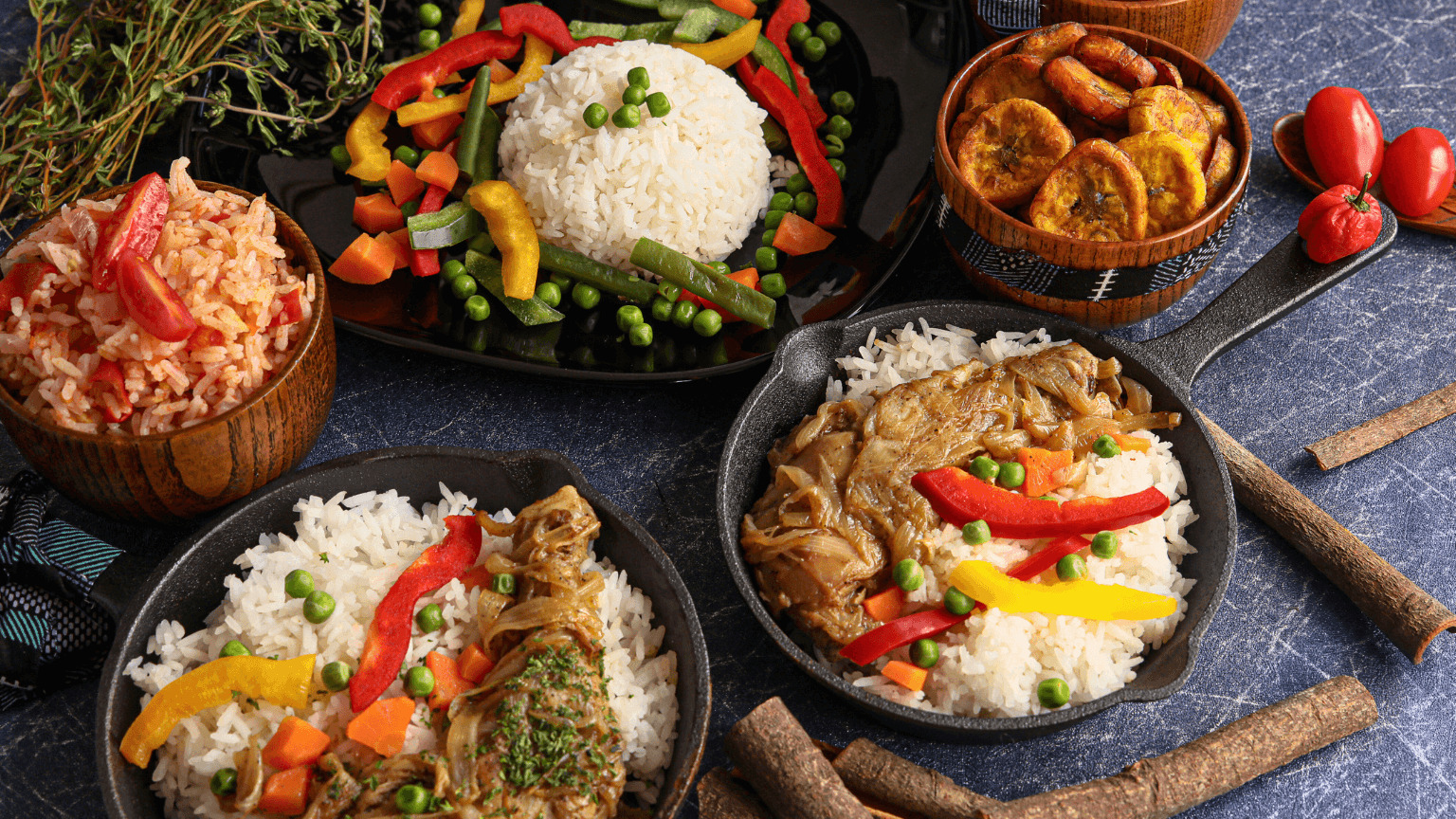
5. Arroz con Pollo Tropical (Tropical Chicken Rice)
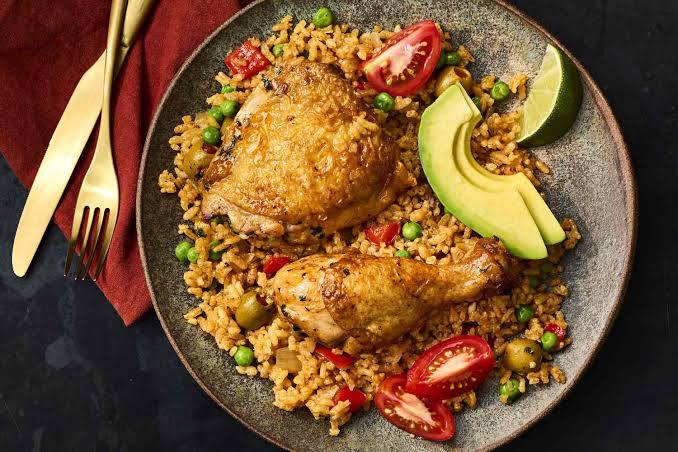
This dish is a reflection of the Spanish colonial influence. It's chicken and rice cooked together with local spices, tomatoes, peppers, and sometimes plantain. It's a dish that exists in two countries and is completely delicious in both.
6. Ndolé-Style Bitter Leaf Stew
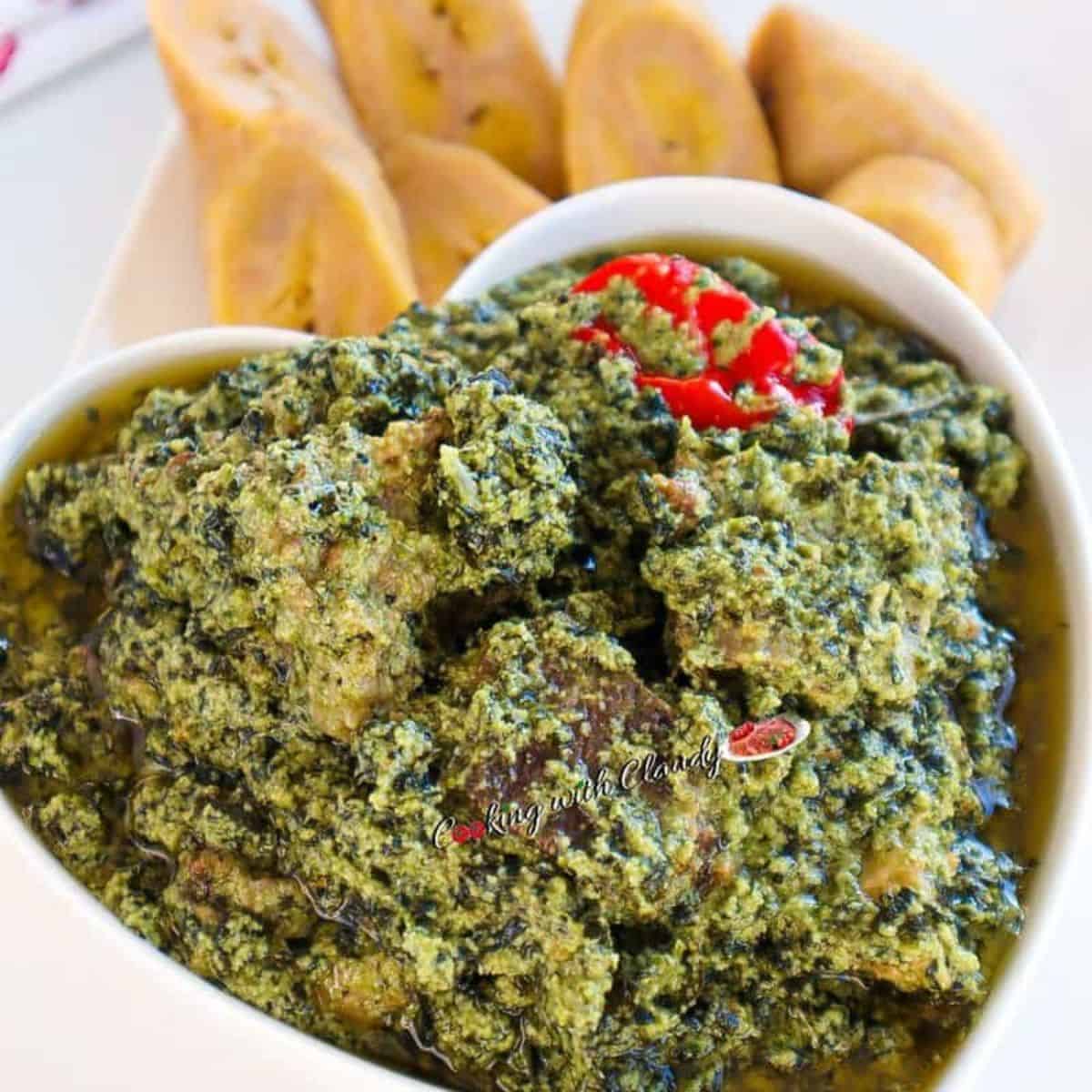
Consisting of bitter leaves cooked with groundnuts, crayfish, and smoked fish or meat, this is a dish shared with neighbouring Cameroon. It also reflects the deep Bantu culinary traditions of the region. The bitterness of the leaves, offset by the richness of the groundnut, creates a flavour that is complex and deeply satisfying.
7. Plantain Frito (Fried Plantain)
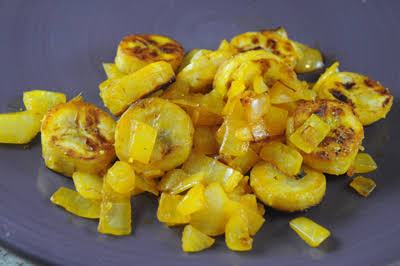
Ripe plantains sliced and fried, sometimes with onions, in palm oil until caramelised and golden. It is the universal side dish and snack of Equatorial Guinea that is sweet, starchy, and impossible to stop eating. Fried plantain appears at virtually every meal on the islands and mainland alike.
8. Miondo (Cassava Sticks)
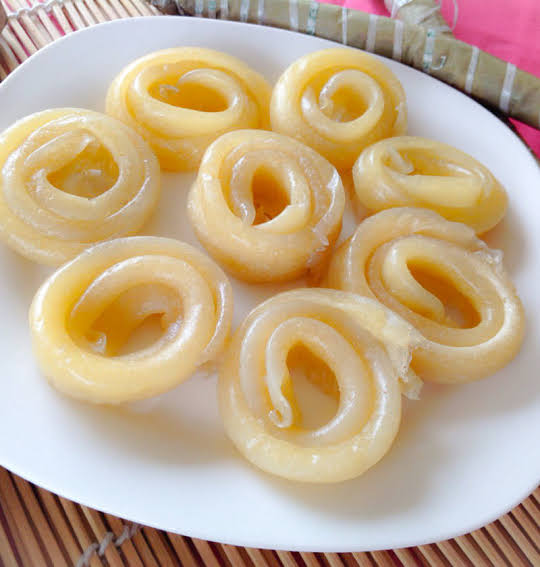
It;s fermented cassava paste shaped into cylinders and wrapped in banana leaves, then boiled. Miondo has a distinctive sour, slightly tangy flavour from the fermentation that cuts through rich palm oil sauces beautifully. This is the everyday starch eaten by the Fang people of the mainland.
9. Puerco con Piña (Pork with Pineapple)
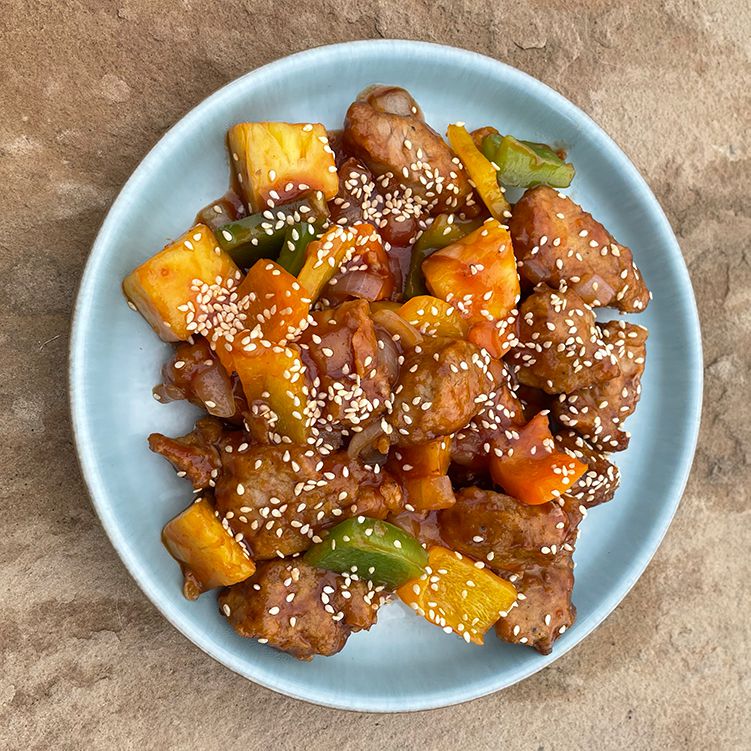
A Spanish-influenced preparation of slow-cooked pork with fresh pineapple and local spices that is sweet, savoury, and tropical. This dish captures the cultural blend of Equatorial Guinea perfectly: African ingredients, a Spanish technique, and a result that is entirely its own.
10. Malamba (Sugarcane Wine)
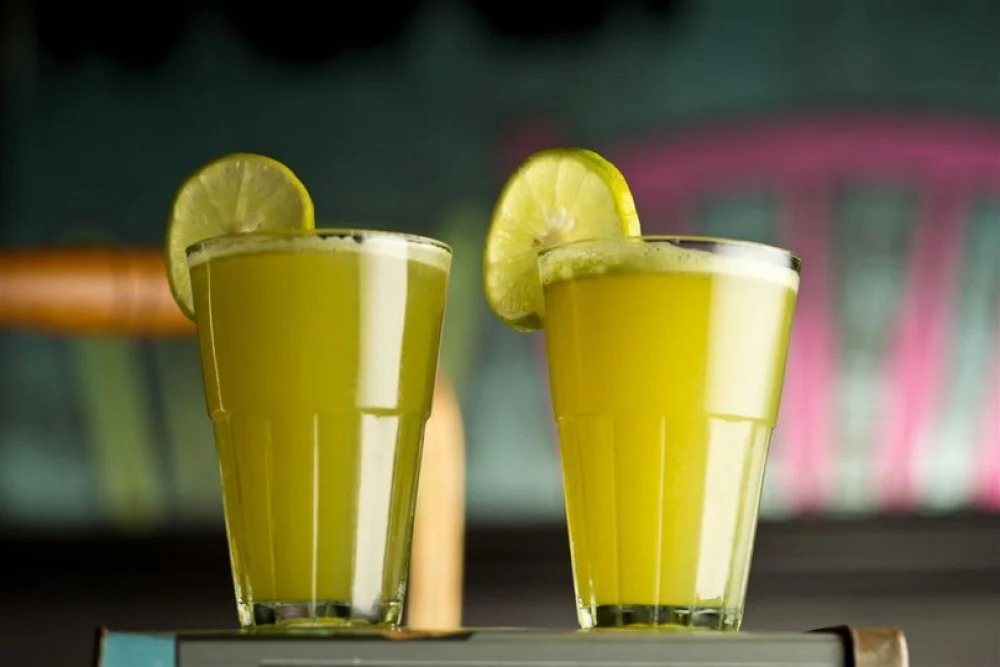
Fermented sugarcane juice that is sweet, lightly fizzy, and gently alcoholic. Malamba is the traditional drink of Equatorial Guinea, made in rural communities and shared at social gatherings. It's earthy, refreshing, and a genuine taste of local life.
Conclusion
Equatorial Guinea sits at a remarkable crossroads of rainforest and ocean, Africa and Spain, tradition and modernity, and its food is the most honest expression of that complexity. Whether you're eating palm nut soup on Bioko Island or sharing fried plantain on the mainland, the warmth and generosity of Equatoguinean hospitality will stay with you long after your plate is empty.
If you enjoyed reading this, then check out our next article on Egyptian Street Foods and Traditional Dishes or check our curated tours to Africa here