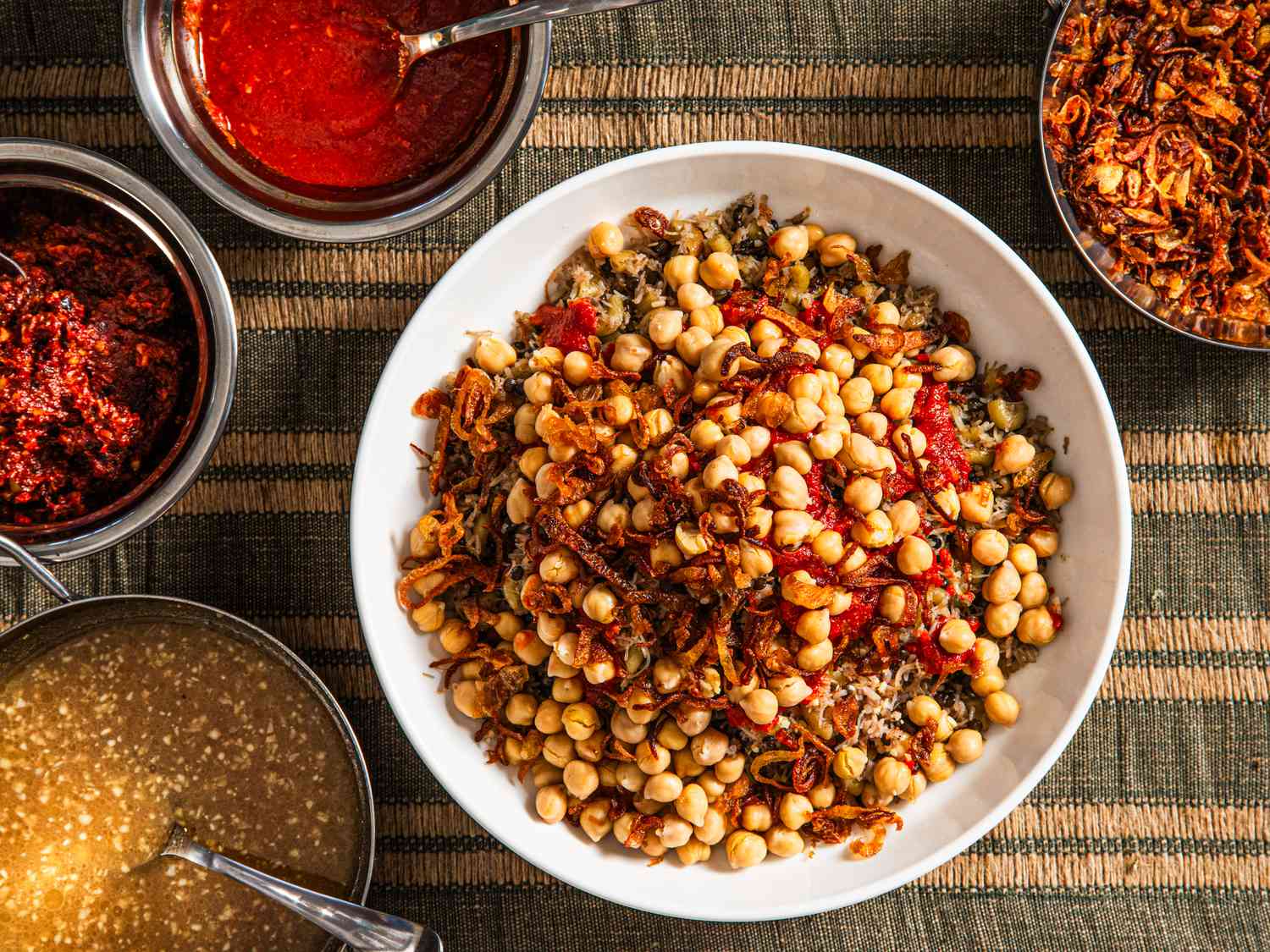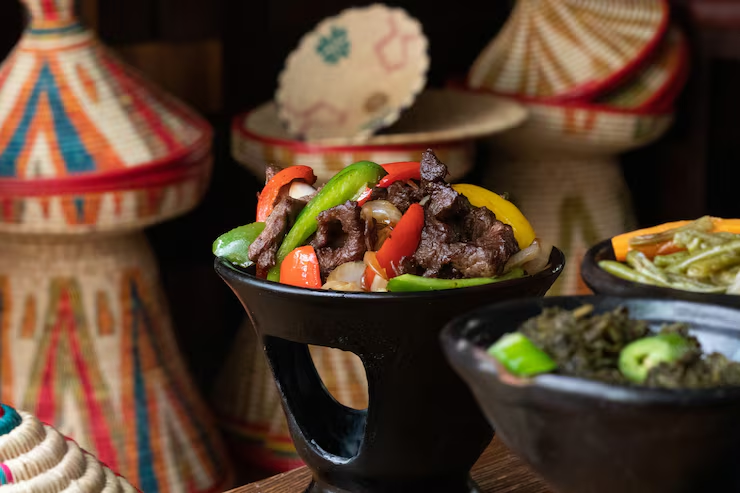
Djibouti is a tiny country at the mouth of the Red Sea; a crossroads where Africa meets Arabia, where Somali, Afar, Ethiopian, and French cultures intersect in one of the world's most strategically positioned places. And nowhere is that fascinating blend more vivid than in the food.
Djiboutian cuisine is aromatic, generous, and completely its own. It is built on fragrant rice, fresh fish, spiced meats, and the kind of flat bread that makes you want to eat with your hands. Here's what to try.
1. Skoudehkaris
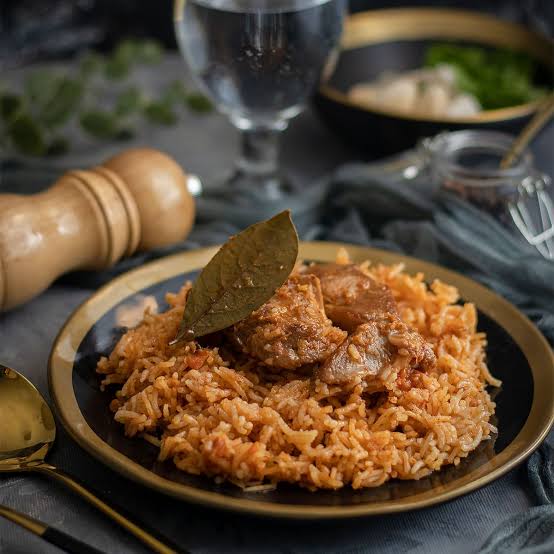
This is recognized as Djibouti's national dish: spiced rice cooked with tender lamb (or goat), tomatoes, and warming spices including cumin, cardamom, and cinnamon. The rice absorbs the flavour of the meat and aromatics beautifully, and the result is a one-pot meal of extraordinary depth. This is the dish that defines Djiboutian hospitality.
2. Fah-fah
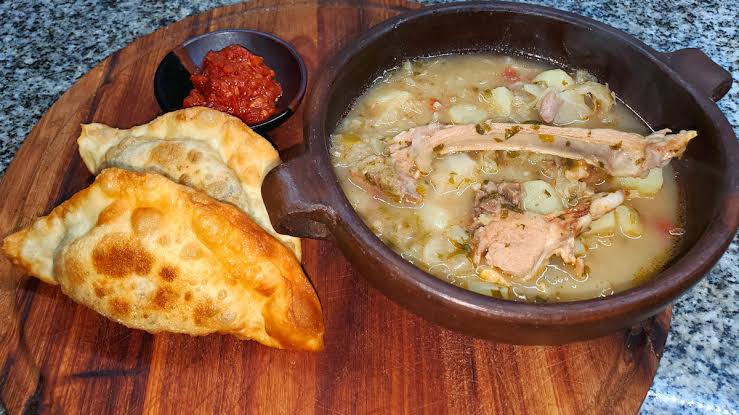
A wonderfully sour, spicy goat soup that is Djibouti's most famous street food breakfast. Slow-simmered goat, chilli peppers, and lime give fah-fah its distinctive punch. It's eaten in the morning with bread and is considered the ideal hangover cure and morning starter simultaneously.
3.Laxoox
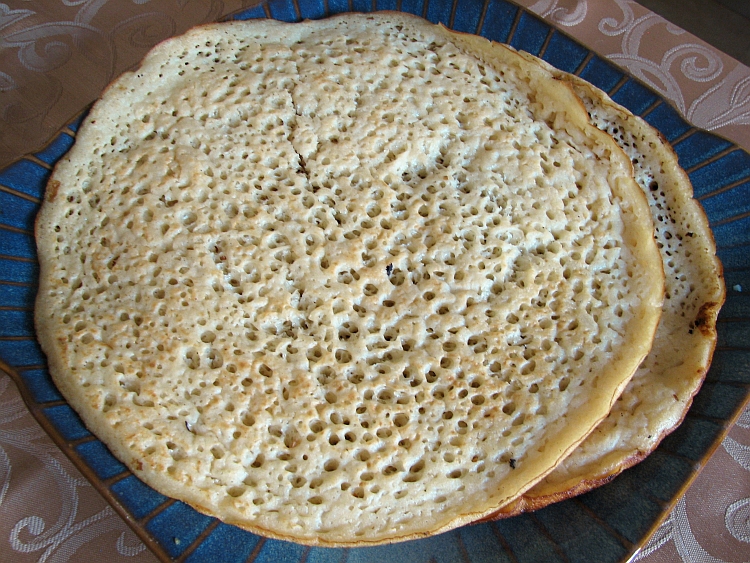
A spongy, porous flatbread, similar to Ethiopian injera but thinner and slightly crispier, made from fermented batter and cooked on a flat griddle. Lahoh is eaten at breakfast with honey, butter, or as a scoop for stews and soups. It's the everyday bread of Djibouti and East Africa's Gulf coast.
4. Maraq (Meat Broth)
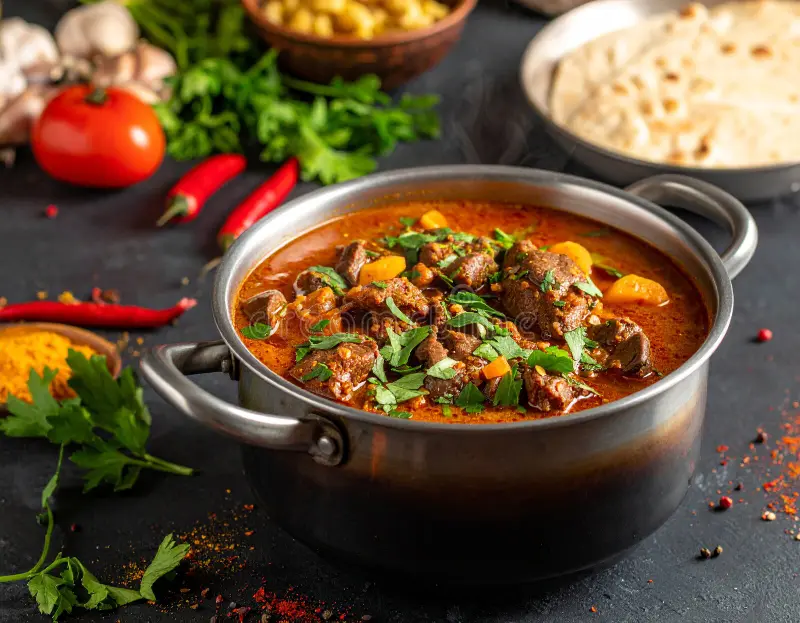
A fragrant, golden broth made from slow-simmered lamb or goat bones with onions, tomatoes, cardamom, and ginger. Maraq is drunk from a bowl or cup and eaten with bread — a light, deeply restorative soup that appears at meals throughout the day.
Read more: Eating in the Republic of Congo: Local Foods for the Curious Traveller
5. Poisson Yéméni (Yemeni-Style Fish)
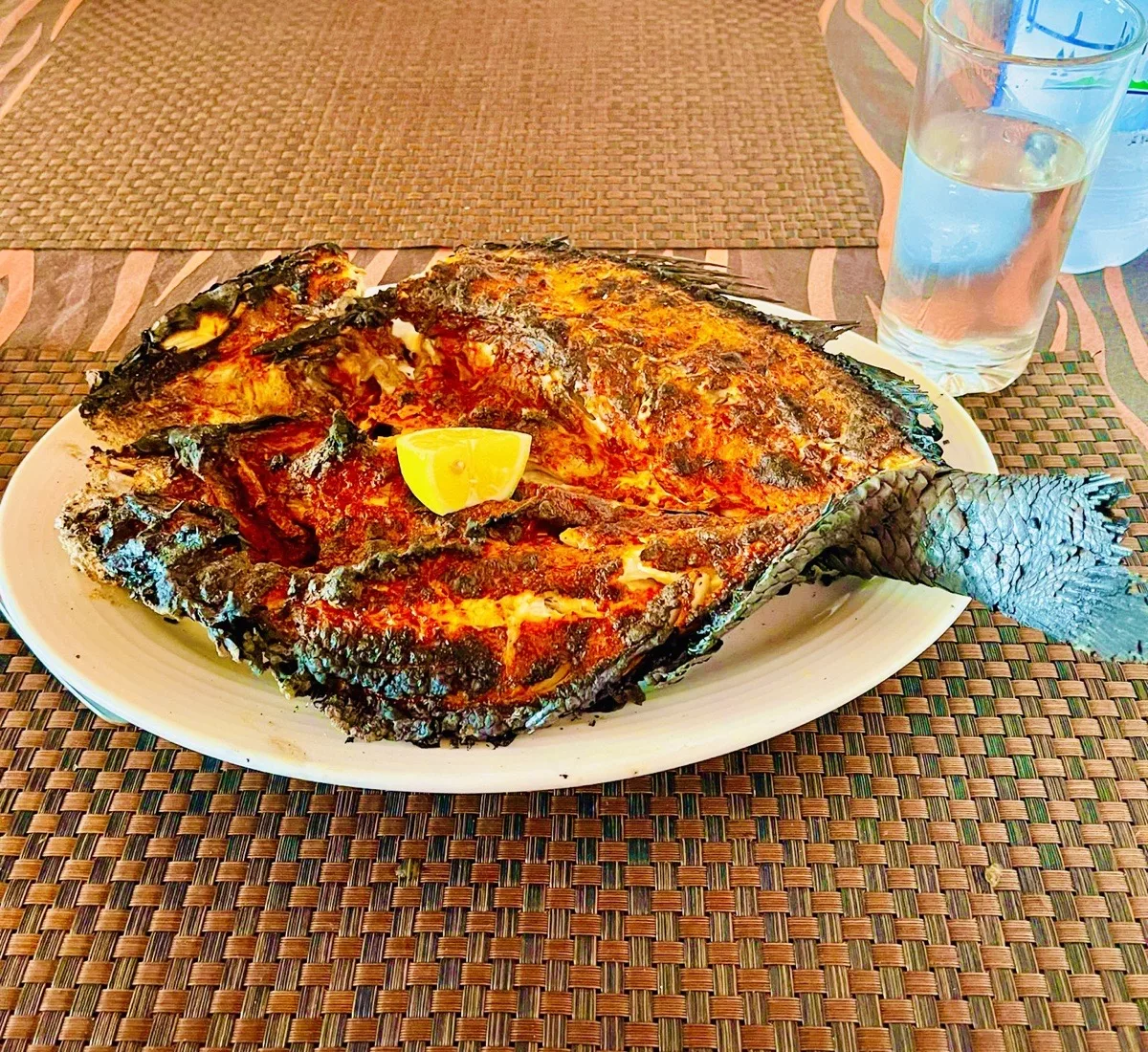
This is whole fish, typically fresh tuna, hammour, or red snapper from the Red Sea, baked or grilled with a Yemeni spice paste of turmeric, cumin, coriander, and chilli. The Yemeni influence on Djiboutian cooking is profound, and nowhere is it better expressed than in this beautiful, spiced fish preparation.
6. Cambuulo
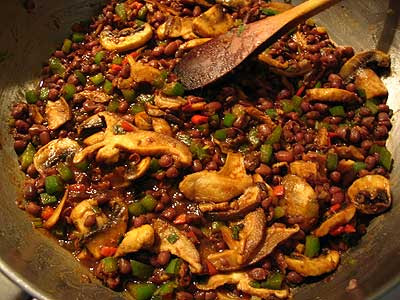
Cambuulo is adzuki beans slowly cooked with clarified butter (ghee) and sugar or honey until they become soft, rich, and slightly caramelised. The dish is both a snack and a dessert: sweet, earthy, and entirely addictive.
7. Hilib Ari (Goat Meat)
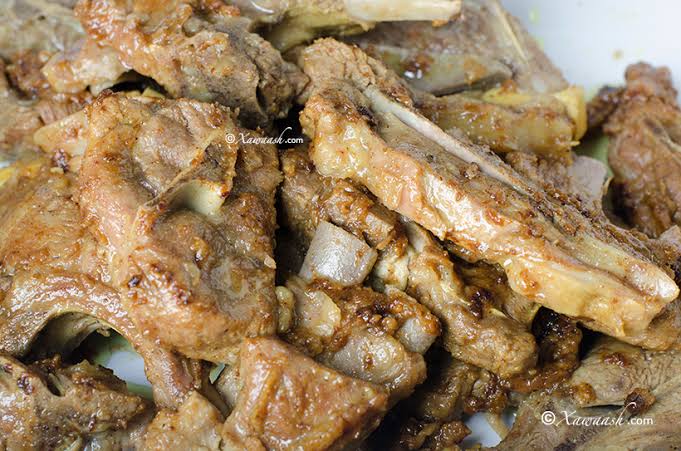
Goat prepared in various ways; grilled, stewed, or slow-braised, is the centrepiece of most Djiboutian celebrations and family meals. The quality of goat here is exceptional, raised on sparse highland grasses that give the meat a lean, intensely flavourful character.
8. Sambuussa (Samosa)
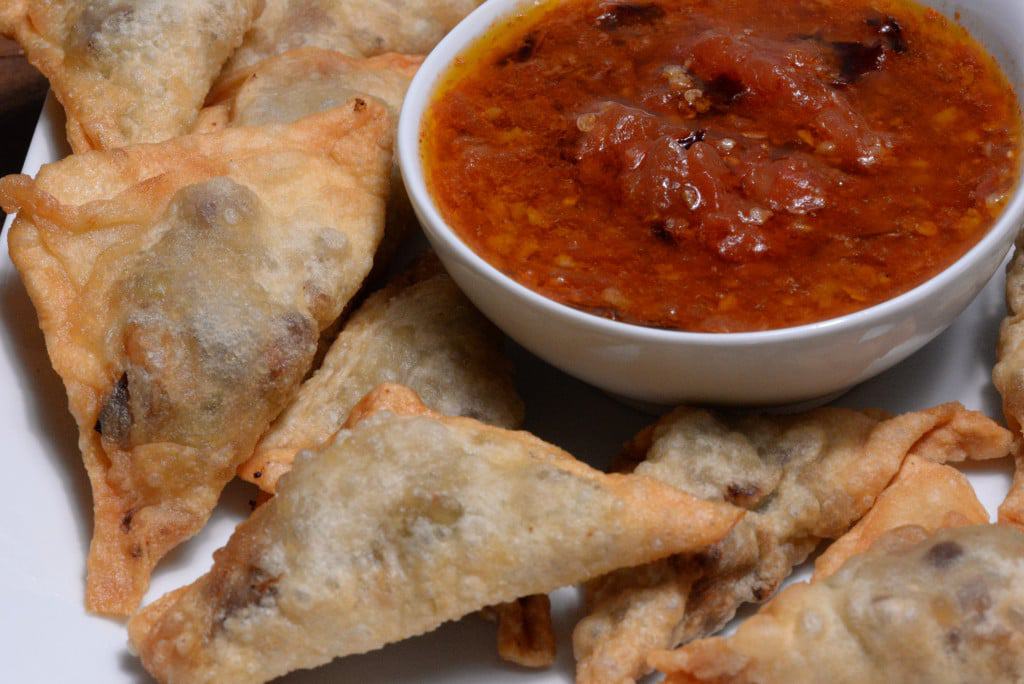
Sambuussa make a great way to kick off a meal. These crispy fried pastries are typically packed with a savory mix of meat, onions, and vegetables, then fried until golden. They're usually served hot alongside a spicy pepper sauce or, for those wanting something bolder, with zuuqar, a rich sauce made from tomato paste and grated vegetables.
9. Xalwo (Halwa)
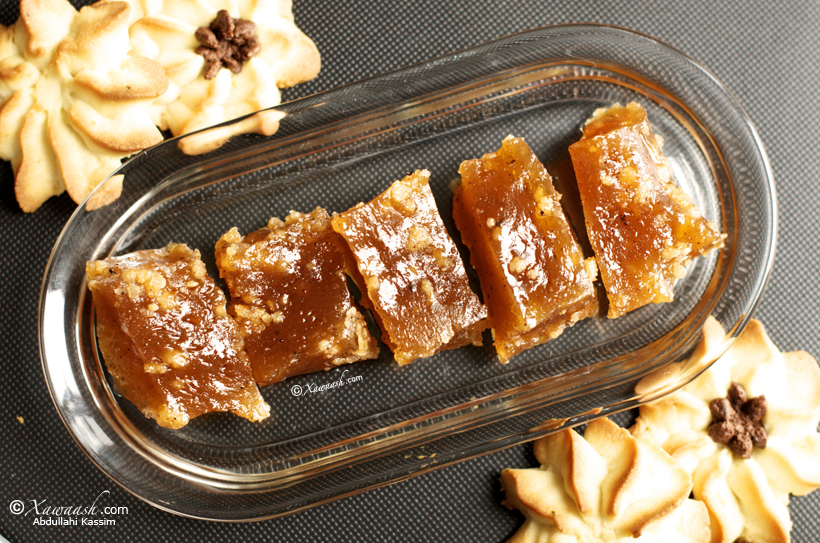
A dense, sticky confection made from sugar, ghee, and cornstarch, flavoured with cardamom and saffron. Xalwo is the celebratory sweet of Djibouti and Somalia. It is served at weddings, Eid, and whenever guests arrive who deserve the best. The saffron gives it a beautiful golden colour.
10. Shaah (Spiced Tea)
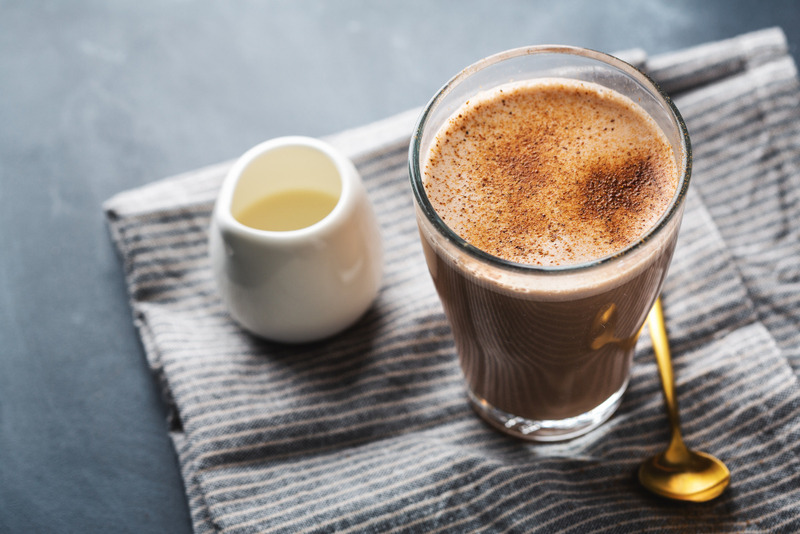
Milky tea brewed with cardamom, cinnamon, and cloves, it is the essential social drink of Djibouti. Shaah is served sweet and strong at every gathering, every meeting, and after every meal. To be offered shaah is to be welcomed.
Closing Thoughts
Djibouti's food carries the entire history of the Horn of Africa and the Red Sea trade routes in every bite. It is bold without being aggressive, aromatic without being overwhelming, and always deeply hospitable. From the sourness of fah-fah in the early morning to the sweetness of xalwo at a celebration, eating in Djibouti is an experience that rewards curiosity and leaves you wanting more.
If you enjoyed reading this, then check out our next article on Traditional Algerian Dishes Every Traveller Must Try