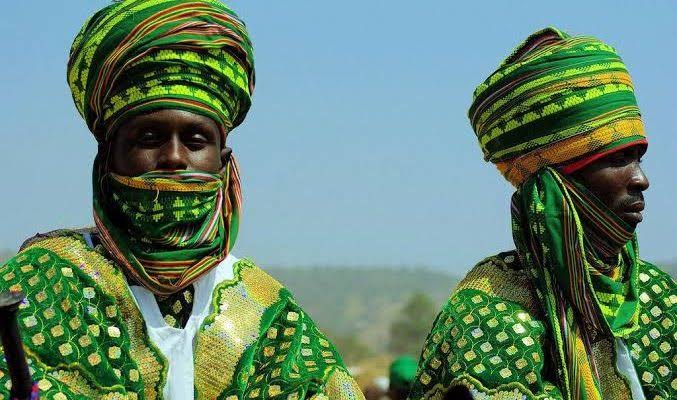
In December 2025, the Oxford English Dictionary released one of its routine quarterly updates. On paper, it looked technical. More than 500 new words, phrases, and meanings were added. Over 1,000 existing entries were revised. For many readers, it was simply another expansion of the world’s most famous dictionary. For Africans paying attention, it was something else.
Buried within that update was a quiet but important recognition of how African speech has shaped modern English. Words used daily in Nigeria, Ghana, and across West Africa were formally recorded, defined, and pronounced in a dictionary that has historically reflected global power as much as global language.
The update, shared publicly by the OED in December and rolled into 2026, acknowledged expressions rooted in food, music, migration, markets, street conversations, and pop culture. These were not new inventions. They were familiar words that had simply never been officially counted.
English Has Always Been a Borrowed Language
English did not become global because it remained pure. It spread because it adapted. Wherever it travelled, it absorbed local rhythms, idioms, and meanings. Yet for centuries, only certain varieties of English were treated as standard or worthy of formal documentation.
African speakers have long bent English to fit their realities. They shaped it to describe food that had no English names, social situations that colonial vocabulary could not explain, and emotions that required more flexible expression. Nigerian Pidgin, Ghanaian English, and other West African varieties grew not from classrooms but from daily life.
The December 2025 update reflects a shift in how these realities are treated. According to Catherine Sangster, author and Head of Pronunciations at the OED, the update also marked a milestone in pronunciation documentation. The dictionary introduced a new transcription model for Maltese English, bringing the total number of World English pronunciation models to nineteen. It also marked ten years since spoken pronunciations were first added to the OED in 2015.
As part of this process, new pronunciation recordings were added for several West African English entries. This matters because pronunciation is where language often loses its origin. Recording African pronunciations preserves how these words are actually spoken, not how outsiders guess they should sound.
Abeg Is a Social Tool, Not a Polite Extra
One of the most widely discussed additions is abeg. The OED defines it as an interjection or adverb used to express emotions such as surprise, disbelief, or exasperation. That definition is accurate, but its significance lies beyond grammar.
In everyday Nigerian speech, abeg does heavy work. It can soften a command or sharpen a refusal. It can signal impatience, appeal for understanding, or end a conversation entirely. Tone determines meaning, not syntax. It is used in traffic, online arguments, family discussions, and casual requests.
For years, abeg lived in the space many African expressions occupy. It was everywhere, yet treated as informal or incorrect English. Its inclusion in the OED does not change how Nigerians use it. It changes how the rest of the world is expected to recognize it. The same applies to biko, an Igbo expression that carries similar emotional flexibility. These words are not decorative. They shape how people negotiate daily life.
Food Words That Refuse Translation
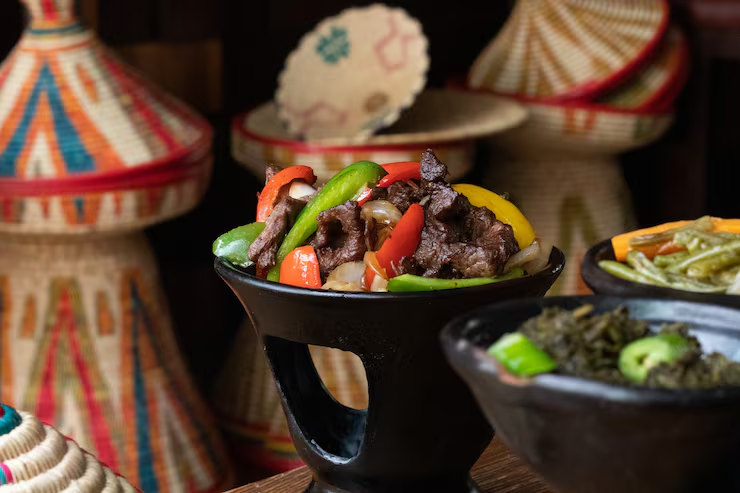
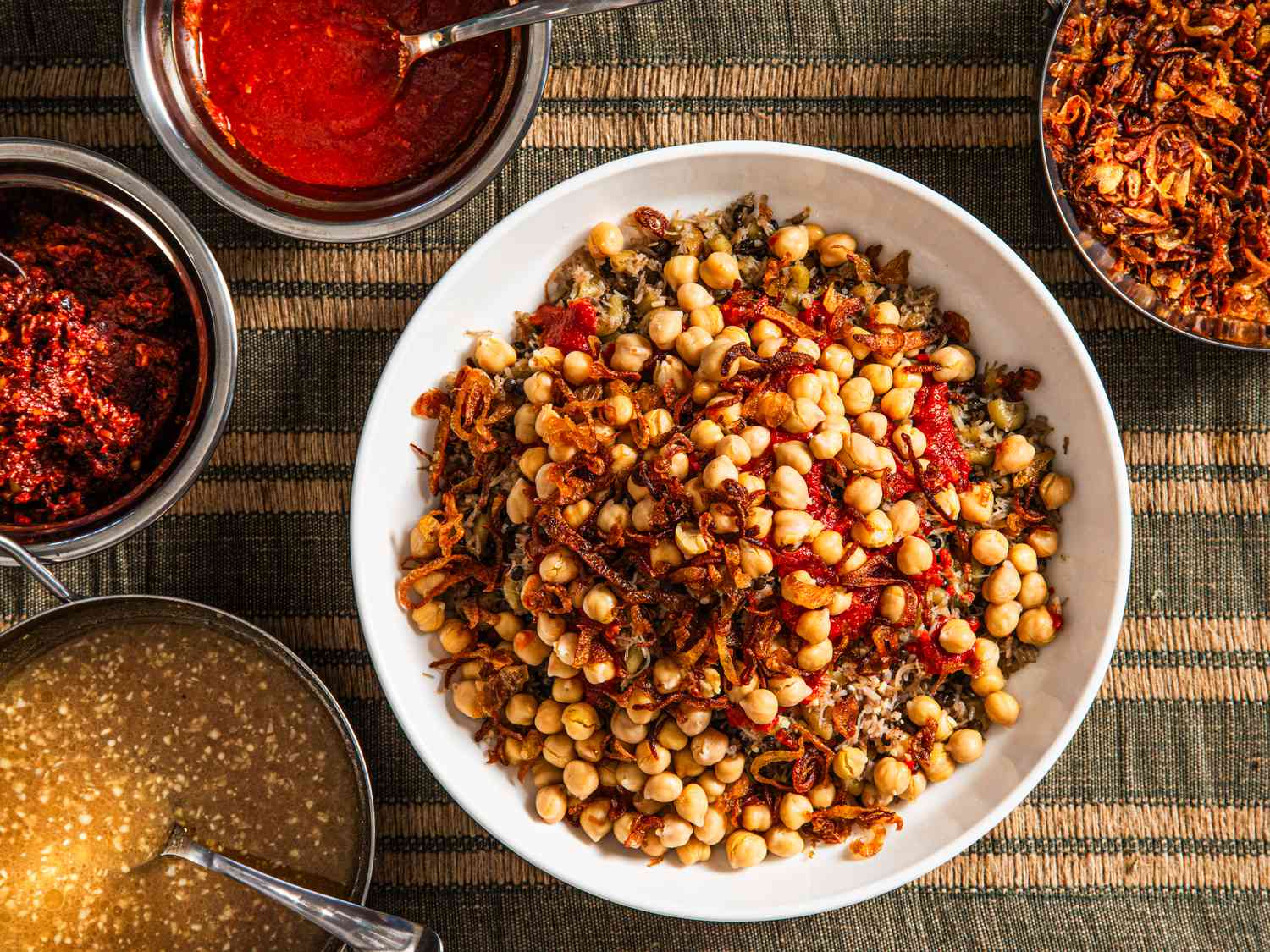
Several food-related terms were also added, reflecting how African cuisine continues to resist simplification. Amala is now formally defined as a dough made from yam, cassava, or unripe plantain flour, served as an accompaniment to other dishes. The definition describes form, but the word itself carries context that no dictionary entry can fully capture.
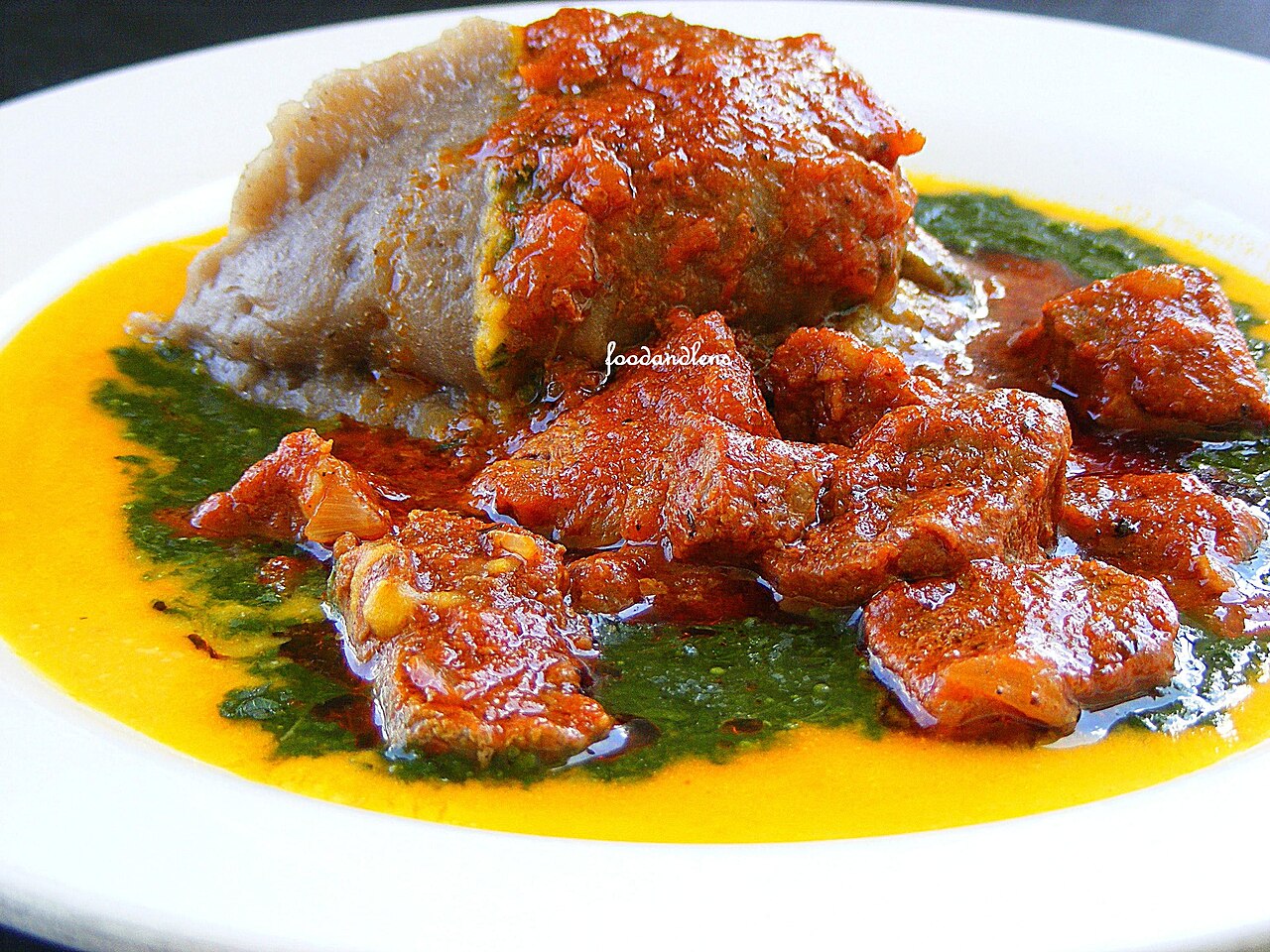
Amala is regional identity. It is roadside bukas in southwestern Nigeria, debates about texture and colour, and meals eaten by hand with expectation and familiarity. It exists alongside eba, Moi Moi, ampesi, light soup, benachin, domoda, and yassa, all of which now appear in the dictionary. These words remain untranslated because translation would flatten them. Writing them into the OED preserves their specificity rather than replacing it.
Music That Travelled Without Permission
The inclusion of Afrobeats reflects a cultural shift that has been visible for over a decade. Once treated as a regional sound, Afrobeats has grown into a global movement with roots firmly planted in West Africa. The OED describes it as a style of popular music incorporating elements of West African music, jazz, soul, and funk.
That description gestures toward history but cannot fully account for impact. Afrobeats reshaped how African artists are heard internationally. It carried language, fashion, and social commentary across borders without dilution. Its presence in the dictionary confirms what global audiences already know. African music no longer sits on the margins of popular culture.
Other musical and dance terms added, including Adowa, kpanlogo, and hiplife, point to traditions that evolved locally before travelling globally. These are not borrowed forms. They are exports.
Migration, Markets, and Memory
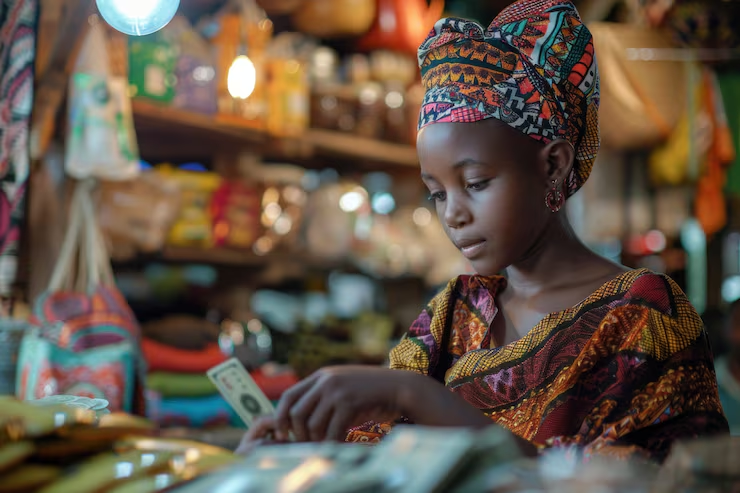
Some of the most loaded words in the update come from shared histories of movement and survival. Ghana Must Go refers both to a checkered travel bag and to a period in the 1980s when West African migrants were expelled from Nigeria. What began as a symbol of forced displacement became a practical object used across the continent and beyond.
The phrase now circulates without explanation, but its inclusion in the dictionary anchors it to history rather than erasing it.
Other entries reflect everyday systems that formal English often ignores. Mammy Market describes informal markets around military barracks. Nyash speaks to how bodies are discussed, admired, and judged in Nigerian culture. Poda-poda names Sierra Leone’s shared taxis, while nawetan refers to youth groups and community football culture.
Words like abrokyire and obroni capture how West Africans name foreignness and outsiders, reminding readers that English is also used to describe the world from African perspectives, not only the other way around.
A Pattern, Not an Isolated Gesture
The December 2025 update builds on earlier changes. In January 2025, the OED added 20 Nigerian words and expressions, including japa, agbero, eba, 419, and abi. These words reflected migration pressures, informal economies, online culture, and street language.
Japa stood out because it captured a national mood. It described the act of leaving, often urgently, driven by economic frustration and personal hope. Its recognition in the dictionary placed Nigerian migration conversations within global English discourse.
Pronunciation guides were also provided, reinforcing the idea that these words should not be bent to foreign tongues for comfort. They deserve accuracy.
Why Recognition Still Matters
African languages and expressions have never waited for approval to exist. People spoke these words long before they appeared in print. Still, dictionaries shape how language is taught, respected, and remembered. Inclusion in the OED does not grant legitimacy. It acknowledges it.
For younger Africans, this recognition challenges the idea that everyday speech is inferior or incorrect. It confirms that English belongs to those who use it, shape it, and adapt it to describe their realities.
Language carries memory. Each word added to the dictionary holds traces of history, humour, hardship, and creativity. The December 2025 update records more than vocabulary, it records presence.
English continues to change, as it always has. This time, the change is unmistakably African.