Africa's heritage is often discussed in fragments. We hear about ancient Egypt, the transatlantic slave trade, Great Zimbabwe, or Timbuktu as separate stories. In reality, they are chapters of the same continental story.
Heritage sites serve as more than tourist attractions. They preserve evidence of how Africans built cities, governed kingdoms, developed trade networks, practiced spirituality, created art, and responded to some of history's most profound challenges. They help us understand where we come from and how our societies evolved.
If you're interested in experiencing Africa beyond headlines and stereotypes, these eight heritage sites deserve a place on your travel list.
1. The Pyramids of Giza, Egypt
Few places on earth demonstrate human ingenuity as powerfully as the Pyramids of Giza. Built more than 4,500 years ago during Egypt's Fourth Dynasty, the pyramids remain among the most remarkable engineering achievements in history. The Great Pyramid was the tallest man-made structure in the world for nearly four millennia.
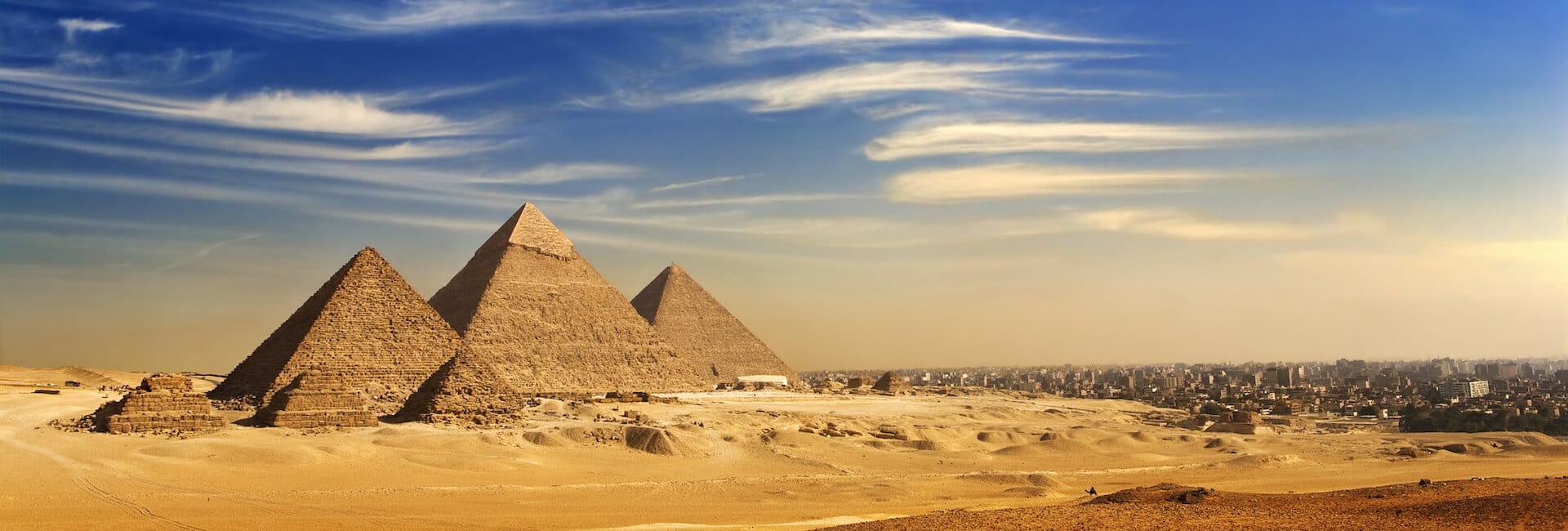
For Africans, visiting Giza is an opportunity to engage directly with one of the continent's most influential civilizations. Ancient Egypt shaped developments in architecture, administration, mathematics, and culture that continue to be studied worldwide.
Standing before the pyramids reminds you that Africa's contribution to human history extends far beyond the narratives often presented in global media.
2. Great Zimbabwe, Zimbabwe
Long before colonial powers arrived in southern Africa, sophisticated African states were building thriving cities and participating in international trade. Great Zimbabwe was the capital of a powerful kingdom that flourished between the 11th and 15th centuries. The site is famous for its massive dry-stone walls, constructed without mortar, some reaching over eleven meters in height.
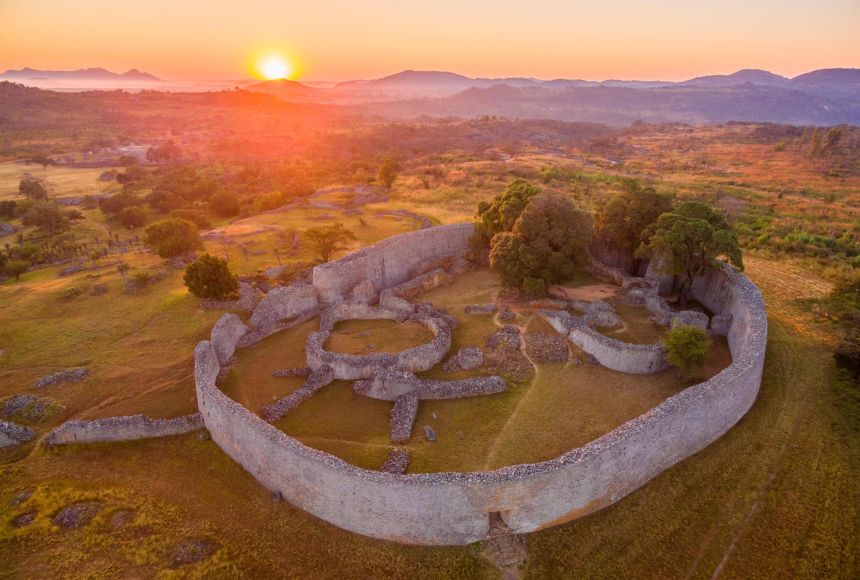
Archaeological evidence shows that Great Zimbabwe was connected to trade networks stretching across the Indian Ocean. Goods from China, Persia, and other regions have been found at the site.
Visiting Great Zimbabwe challenges outdated misconceptions about pre-colonial Africa and provides a deeper appreciation of indigenous innovation and statecraft.
3. Timbuktu, Mali
For centuries, Timbuktu was one of the world's leading centers of scholarship. Located at the crossroads of trans-Saharan trade routes, the city became renowned for its universities, libraries, and intellectual traditions. Scholars traveled from across Africa and beyond to study subjects ranging from theology and law to astronomy and mathematics.
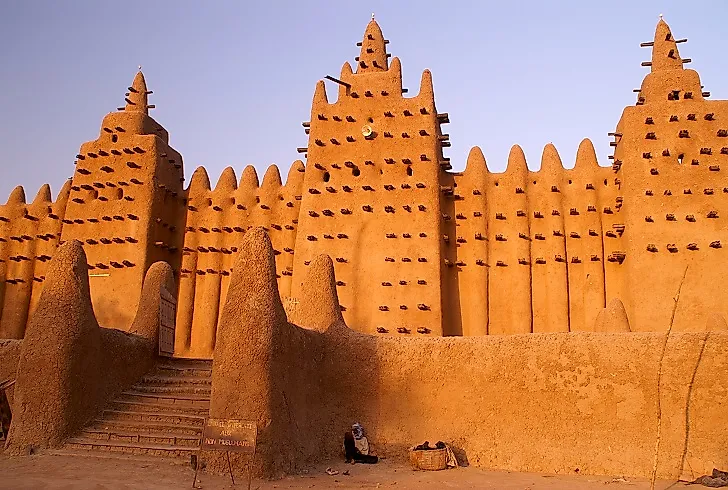
Thousands of ancient manuscripts survived in private collections, preserving evidence of Africa's rich academic heritage.
A visit to Timbuktu offers a powerful reminder that intellectual excellence has deep roots on the African continent and that knowledge production was never exclusive to Europe or Asia.
4. Robben Island, South Africa
Robben Island served as a prison for political prisoners during apartheid, including Nelson Mandela, who spent eighteen of his twenty-seven years in captivity there.
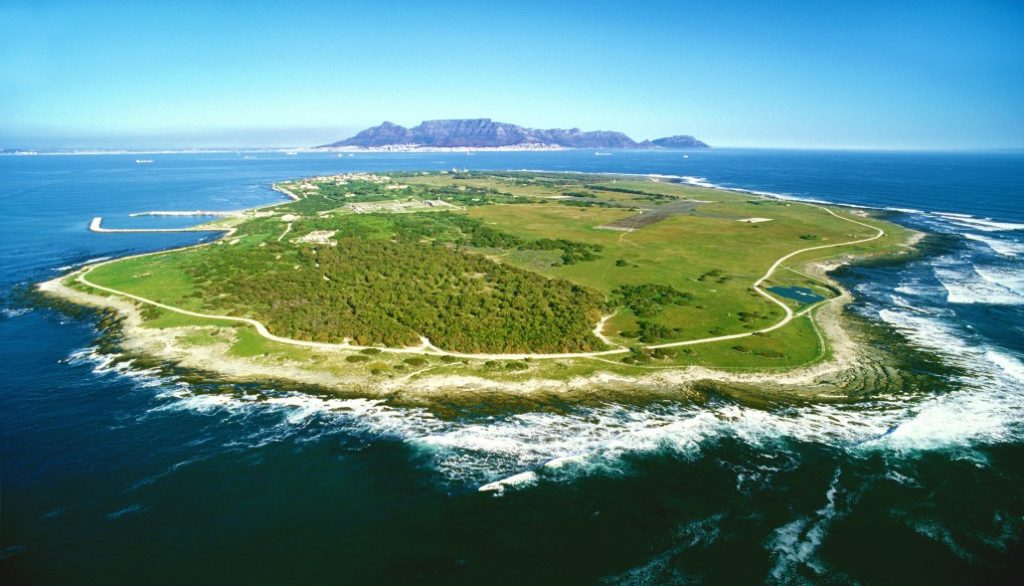
Today, the island stands as a symbol of resilience, resistance, and the struggle for human rights. Guided tours are often led by former political prisoners, offering firsthand perspectives on life under apartheid.
For African visitors, Robben Island provides important context for understanding one of the continent's most influential liberation movements and the sacrifices that helped shape modern South Africa.
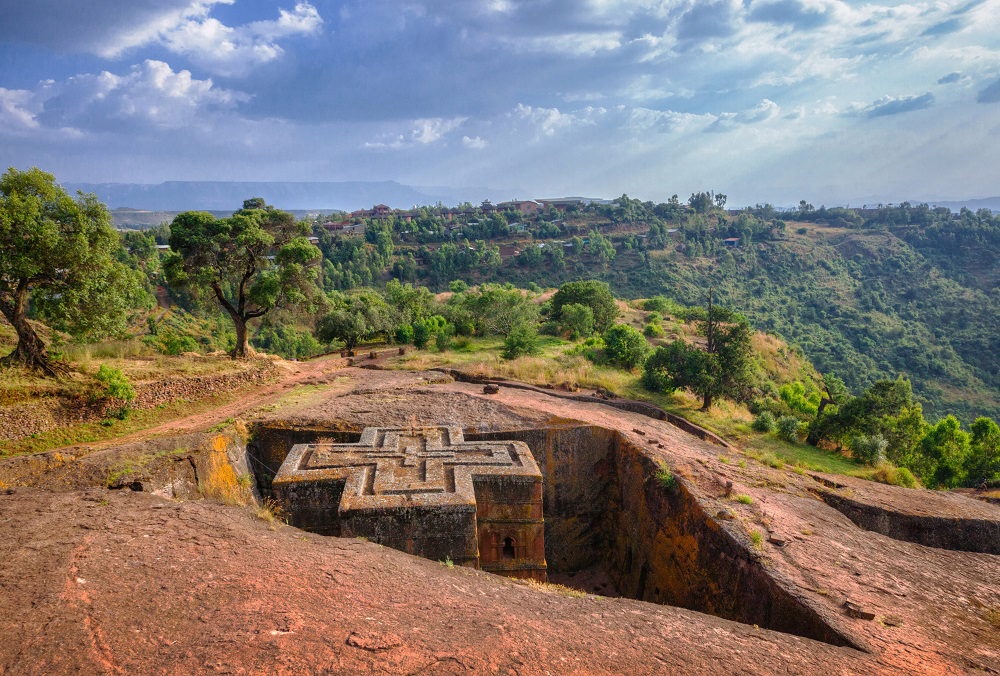
5. The Rock-Hewn Churches of Lalibela, Ethiopia
The churches of Lalibela are among Africa's most extraordinary religious monuments. Carved directly into volcanic rock during the 12th and 13th centuries, the eleven churches were designed as a symbolic "New Jerusalem" for Ethiopian Christians.
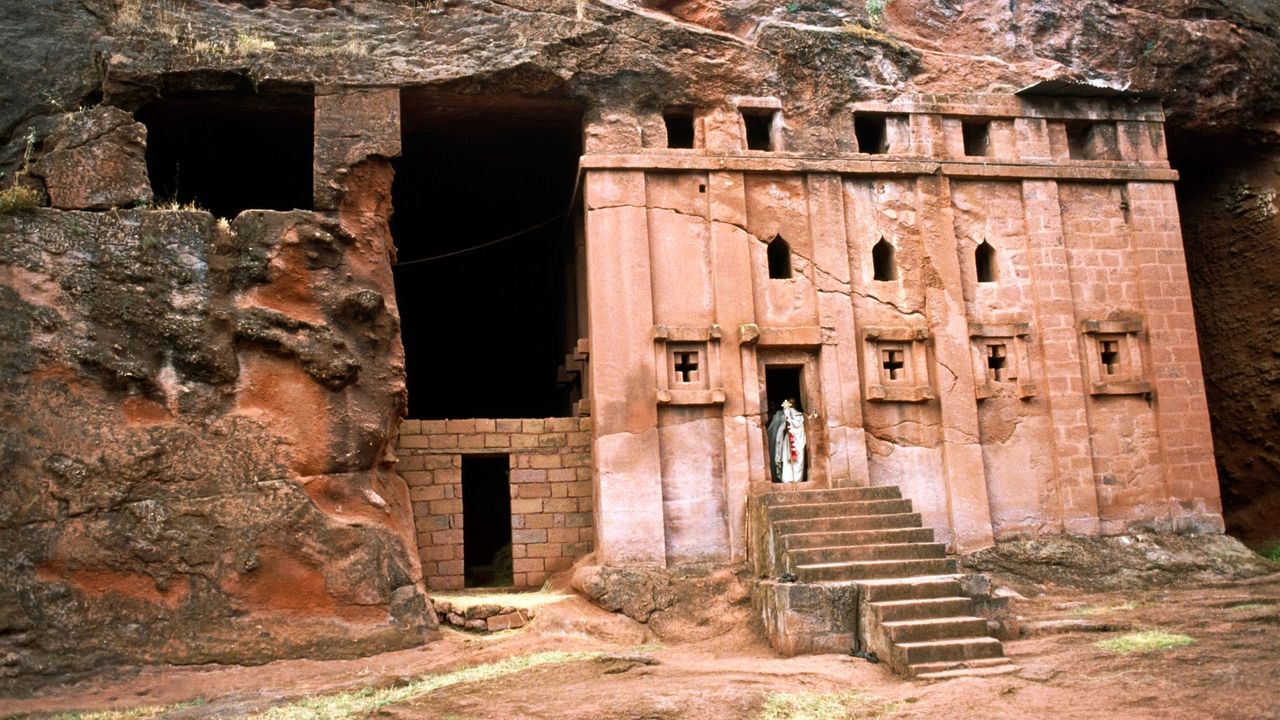
What makes Lalibela unique is that it remains an active place of worship. Pilgrims continue to travel there throughout the year, particularly during major religious celebrations.
Visiting Lalibela offers insight into one of Africa's oldest Christian traditions and demonstrates how faith, architecture, and community have remained interconnected for centuries.
6. The Osun-Osogbo Sacred Grove, Nigeria
Located on the outskirts of Osogbo in southwestern Nigeria, the Osun-Osogbo Sacred Grove is one of the last remaining sacred forests associated with Yoruba spirituality.
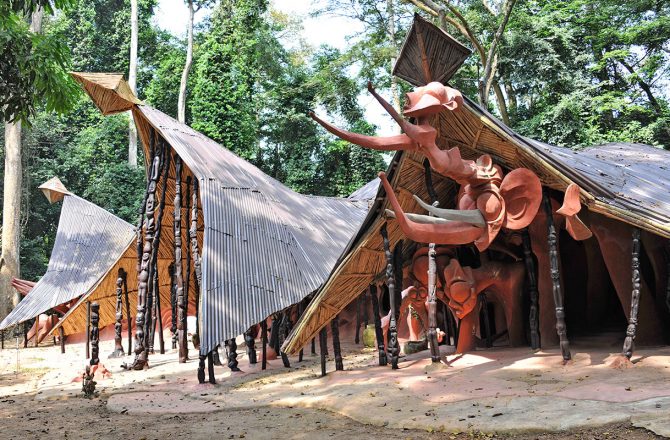
The grove contains shrines, sculptures, sanctuaries, and sacred spaces dedicated to Osun, a deity associated with fertility, prosperity, and water. Its UNESCO World Heritage designation recognizes both its cultural and spiritual significance.
For Africans interested in indigenous belief systems, the grove provides a rare opportunity to experience a living spiritual landscape rather than a historical reconstruction. It also highlights the resilience of traditional African religions despite centuries of external influence and change.
7. Stone Town, Zanzibar, Tanzania
Stone Town tells the story of centuries of cultural exchange across the Indian Ocean. African, Arab, Persian, Indian, and European influences are visible throughout the city's architecture, cuisine, language, and urban design. Its narrow streets, carved wooden doors, and historic buildings reveal how trade connected East Africa to the wider world.
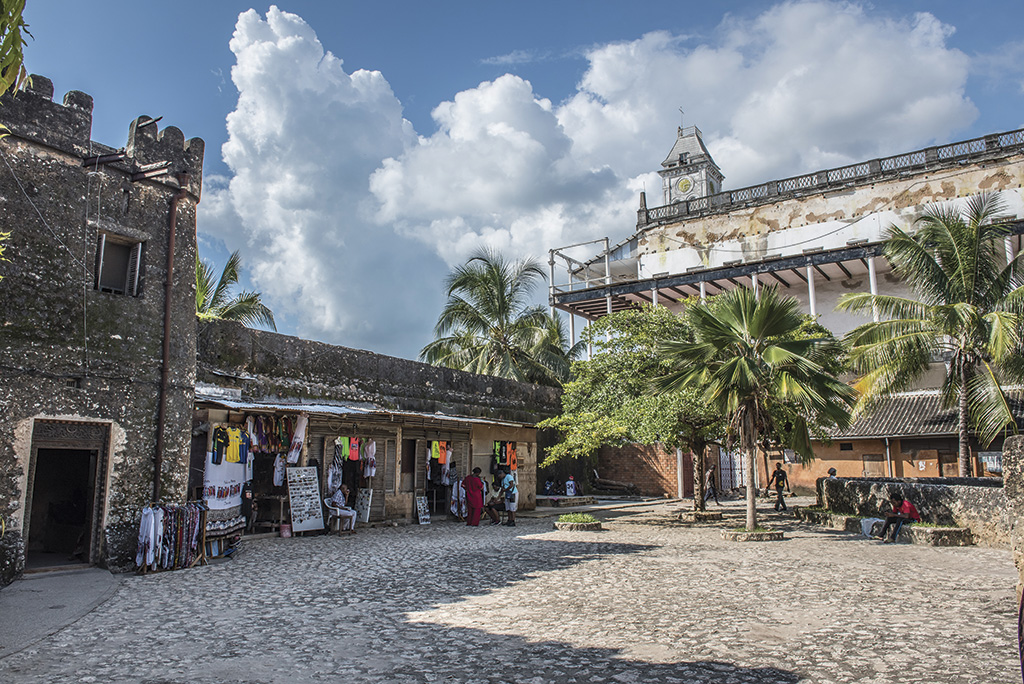
Stone Town also provides an important opportunity to learn about the region's role in the Indian Ocean slave trade, a history that shaped communities across eastern Africa.
The city demonstrates that African history has always been connected to global networks of commerce, migration, and cultural exchange.
8. Gorée Island, Senegal
Located just off the coast of Dakar, Gorée Island has become one of the most important sites associated with the transatlantic slave trade.
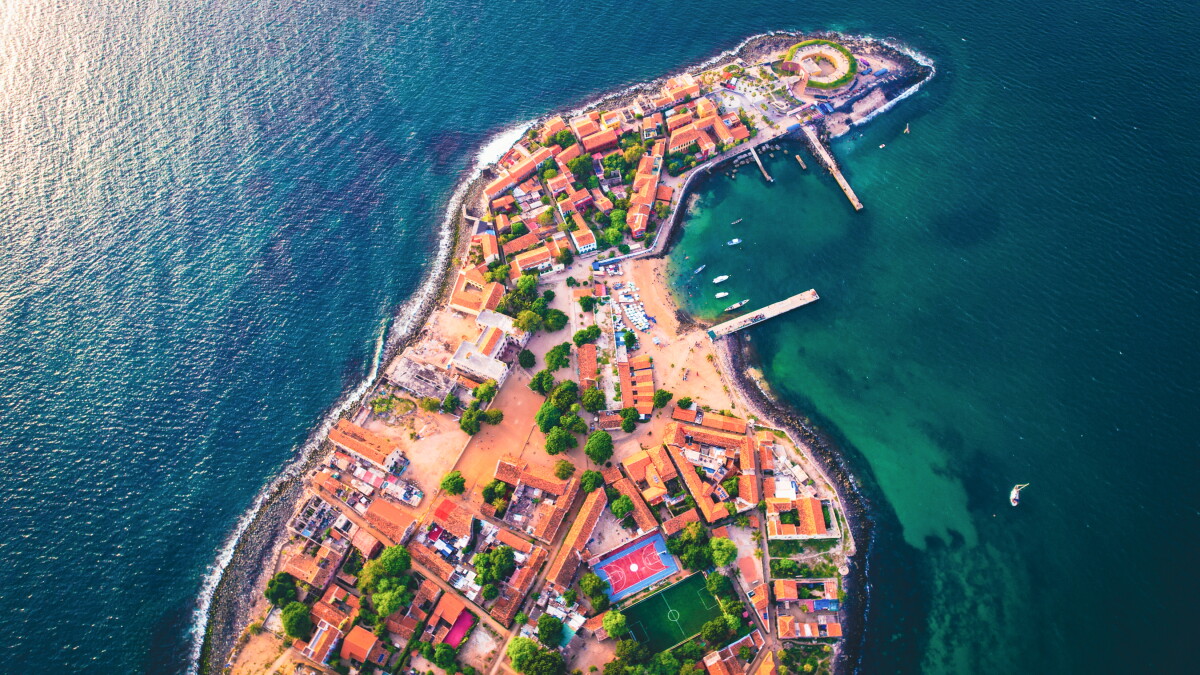
While historians continue to debate aspects of the island's role within the broader slave trade system, its symbolic significance remains profound. The House of Slaves and its famous Door of No Return have become powerful places of remembrance for Africans and members of the African diaspora.
Visiting Gorée Island encourages reflection on one of the most consequential periods in African history and its lasting impact across continents. It is a place where history feels personal rather than distant.
Conclusion
From the ancient engineering of Giza and the scholarly traditions of Timbuktu to the spiritual significance of Osun-Osogbo and the resilience represented by Robben Island, each site reveals a different dimension of Africa's story. Traveling to these places is not only about seeing history. It is about engaging with the people, ideas, achievements, and experiences that continue to shape the continent today.
For more spotlighted authentic experiences across Africa, check out this article.