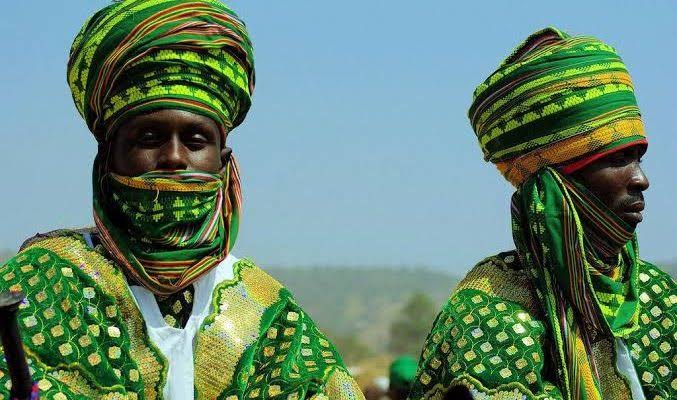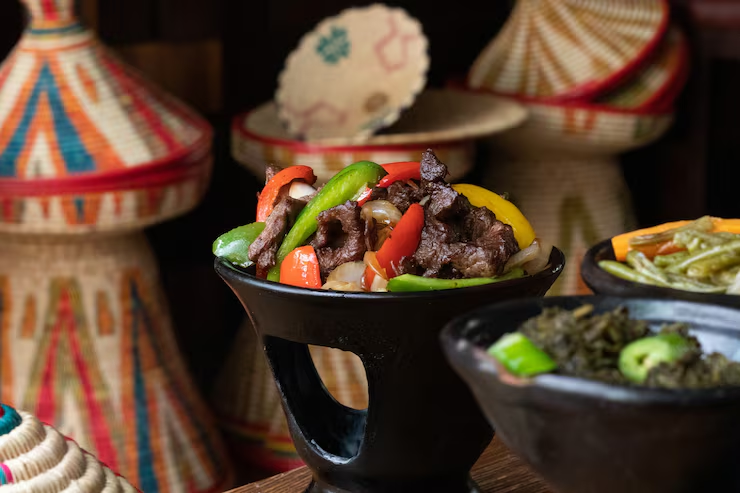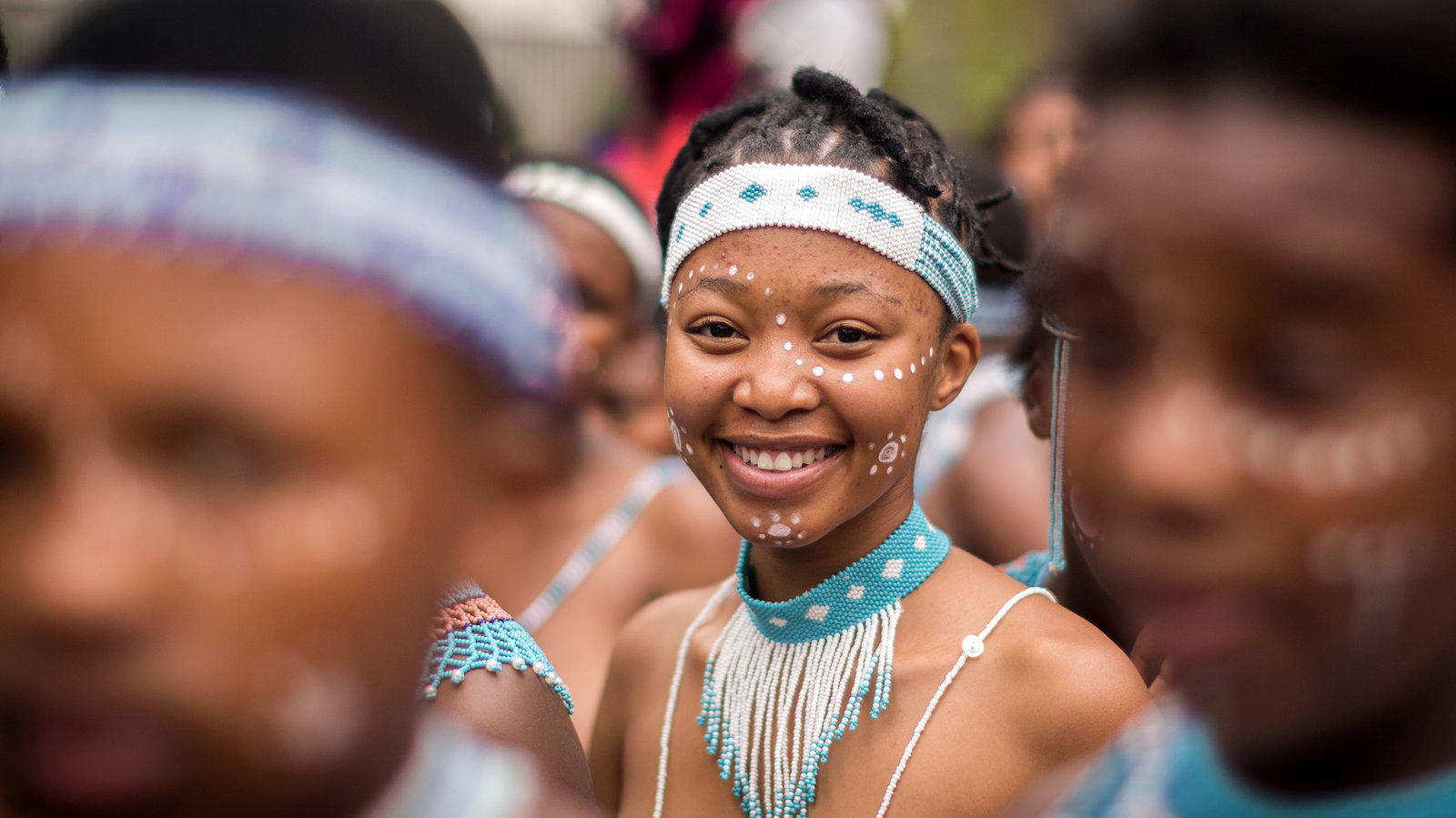
Africa holds more cultural diversity than any other continent on Earth. Across its regions, communities have developed traditions shaped by land, survival, belief systems, and history. Some of these practices feel unfamiliar or shocking to outsiders, yet within their societies, they carry meaning, order, and identity.
Here are seven cultural practices from different parts of Africa that may seem unusual at first glance, but reveal deep social values when understood in context.
7. Bride Kidnapping Among the Latuka People of Sudan
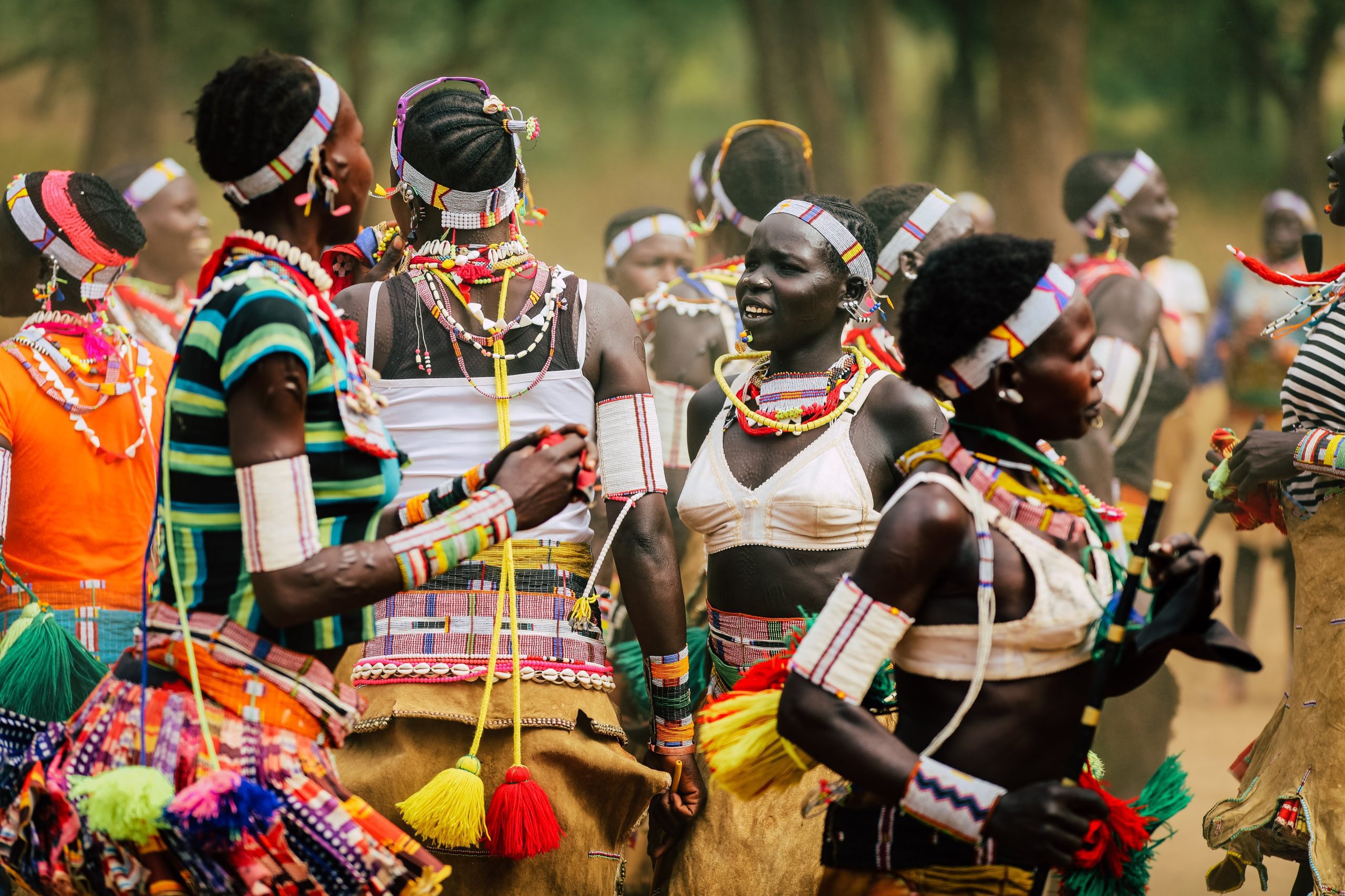
Among the Latuka people of South Sudan, marriage has traditionally involved a practice that outsiders often struggle to understand. When a man wishes to marry a woman, he may abduct her as a symbolic declaration of intent.
After the abduction, elders from the man’s family visit the woman’s father to formally ask for marriage approval. If the father agrees, he physically beats the suitor. This beating is not punishment. It is a public sign of acceptance and recognition of the man’s strength and commitment.
If the father refuses, the man may still proceed with the marriage by force, though such actions have become increasingly rare due to modern legal and social changes.
Within Latuka society, this practice historically represented masculinity, bravery, and the ability to protect a family. While controversial today, it reflects older systems where physical endurance and dominance were markers of adulthood.
6. Lip Stretching in the Surma Tribe of Ethiopia and Southern Sudan
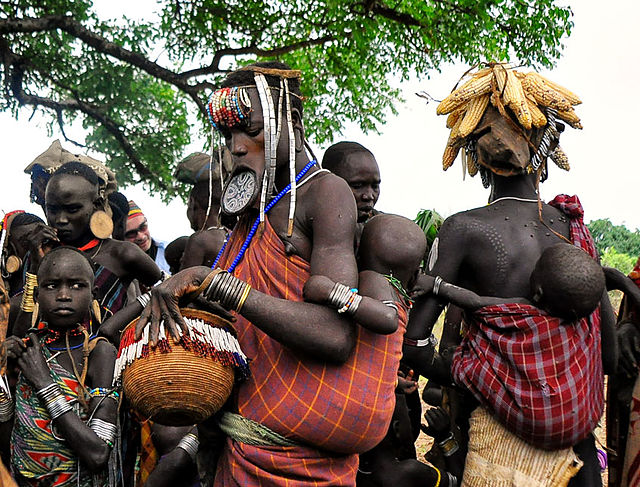
Among the Surma people of southern Sudan, beauty, maturity, and social value have long been expressed through lip stretching. When a girl reaches adolescence, her lower teeth are removed to make room for a clay or wooden lip plate.
Over time, the plate is replaced with larger ones, stretching the lip gradually. The size of the lip plate traditionally reflects a woman’s social standing and marriage value. Larger plates signal endurance, discipline, and readiness for womanhood.
To outsiders, the practice may appear extreme. Within Surma culture, it represents identity, strength, and pride. It also marks a transition from childhood into social adulthood.
Today, some Surma women choose not to continue the practice, especially with increased exposure to education and urban life. Still, the tradition remains a strong cultural symbol.
5. The Khweta Ceremony of Southern Africa
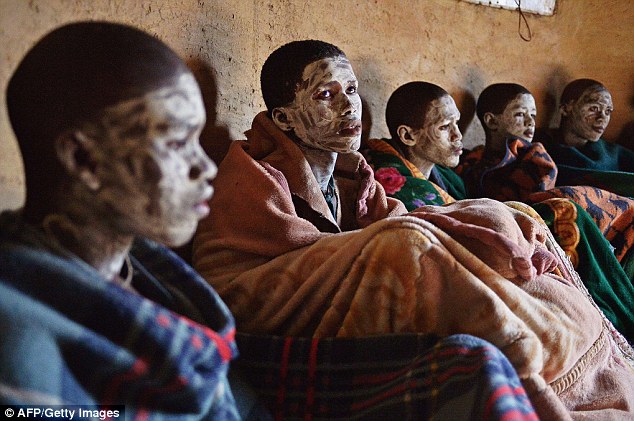
Across parts of Southern Africa, the Khweta initiation ceremony marks the passage of boys into manhood. When boys reach a certain age, they are removed from their homes and taken to secluded lodges during winter.
There, they undergo physical and mental trials designed to test endurance, obedience, and resilience. Circumcision is a central part of the ritual. The boys must endure pain without showing fear or weakness.
They are also required to perform prolonged dances and follow strict discipline under the guidance of elders. After weeks of isolation, the initiates return to their communities recognized as men, eligible for marriage and adult responsibilities.
The ceremony reinforces communal values such as courage, self control, and respect for tradition. Despite criticism, it remains an important cultural institution in many regions.
4. Widowhood Practices in Parts of Eastern Nigeria
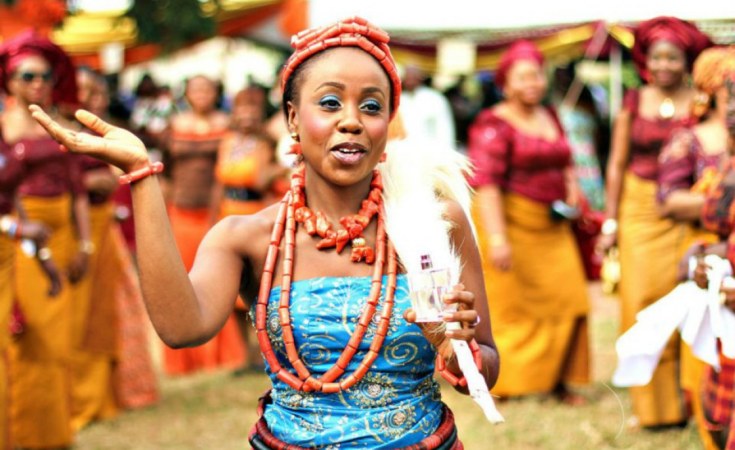
In certain communities in eastern Nigeria, widowhood has historically involved intense rituals aimed at proving innocence and loyalty. When a man dies under suspicious circumstances, his widow may be required to drink the water used to wash his corpse.
The belief holds that if she survives unharmed, she is innocent. If she falls ill or behaves erratically, guilt is assumed. During the mourning period, widows and relatives shave their heads and wear black clothing as signs of grief and respect. These practices are rooted in spiritual beliefs about justice and ancestral judgment.
However, they have been widely criticized for violating human rights and causing emotional harm. Today, many communities are abandoning or modifying these rituals due to legal reforms, education, and advocacy by women’s groups.
3. Spitting as Blessing Among the Maasai of Kenya and Tanzania
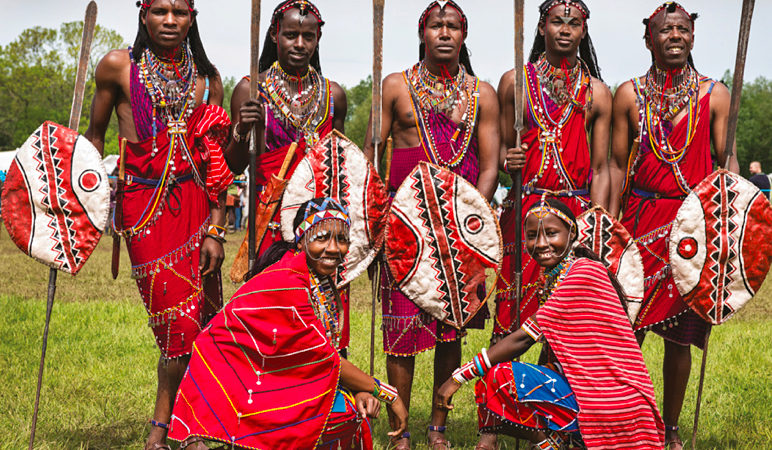
Among the Maasai people, spitting carries meaning opposite to how it is viewed in many cultures. Spitting is used as a form of blessing, protection, and respect. Elders may spit on newborn babies while saying discouraging words to ward off evil spirits that may be attracted by praise.
Before greeting elders, Maasai warriors often spit into their hands before shaking. The act symbolizes humility and honor. To outsiders, this gesture can feel offensive. Within Maasai society, it represents goodwill and spiritual safeguarding.
Understanding this practice requires stepping outside modern social norms and recognizing that meaning is shaped by belief, not appearance.
2. Restricted Grieving Rituals of the Suku People in Southwestern Congo
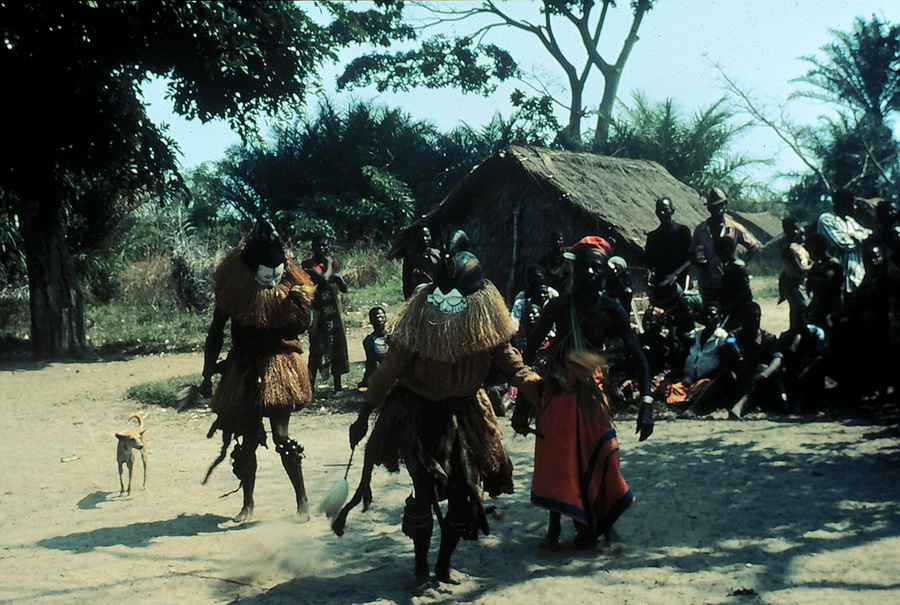
Among the Suku people of southwestern Congo, death rituals reflect strict spiritual boundaries. When elders or ancestors die, special ceremonies are held deep in the forest. These rituals involve offerings, chants, and symbolic acts meant to guide the spirit into the ancestral world.
Women and outsiders are forbidden from attending. The exclusion is not meant as punishment but as adherence to spiritual law. The ceremony is believed to require specific ritual purity. The restriction reinforces the authority of elders and preserves sacred knowledge passed down through generations.
Such practices highlight how death, memory, and power are structured differently across cultures.
1. Beating the Suitor in the Fulani Sharo Tradition
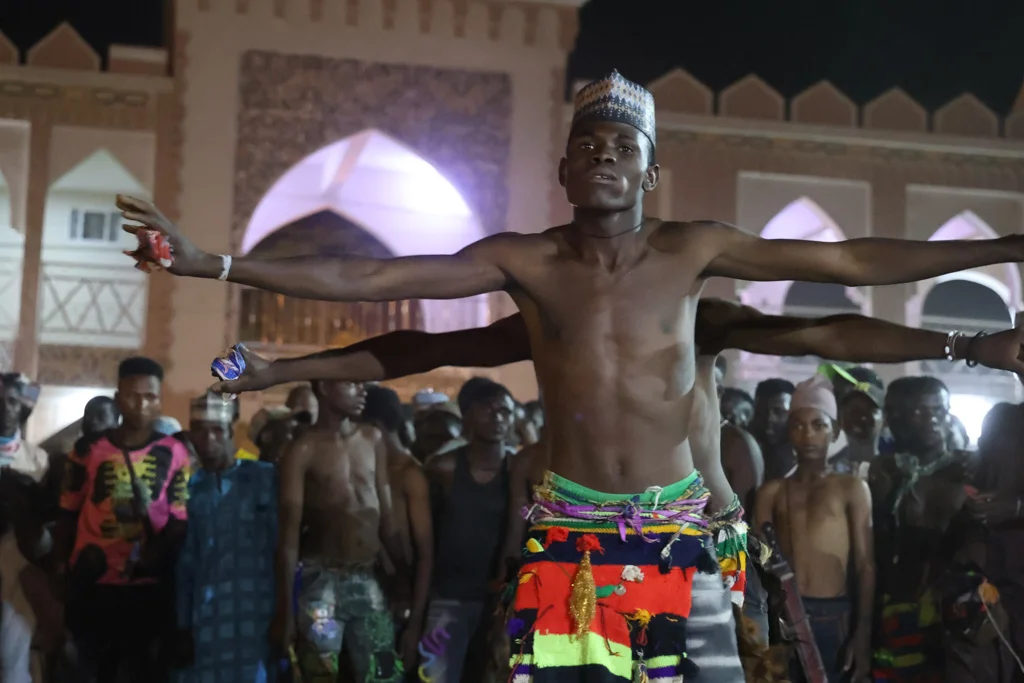
The Fulani people of West Africa practice one of the most physically demanding courtship rituals known as Sharo. When two men seek to marry the same woman, they engage in a public contest where they take turns beating each other with sticks. The goal is not to win through violence but through endurance.
The man who shows the least pain and does not flinch earns honor and often the bride’s hand. Sharo emphasizes courage, emotional control, and resilience. Showing pain brings shame not only to the man but to his family.
Although less common today, Sharo remains a powerful symbol of Fulani identity and masculine virtue.
Understanding, Not Judging
Many African cultural practices appear strange when viewed without context. These traditions developed to serve specific social, spiritual, and environmental needs. While some practices are fading due to modernization and human rights reforms, others continue to evolve rather than disappear.
Understanding culture requires listening before judging. Africa’s diversity lies not only in its landscapes and languages, but in the many ways its people define identity, honor, beauty, and belonging.