If you're reading this, you already know that Africa isn't just about wildlife and landscapes. The continent's living cultures offer depth, spirituality, and connection that transform how you see humanity.
Africa is your best choice if you are seeking meaningful encounters with people, traditions, history, and ways of life that cannot be replicated elsewhere.
We've compiled seven cultural experiences found only in Africa that make the flight across the world worthwhile for you.
1. Witness the Great Migration Through Maasai Lands in Kenya & Tanzania
Most people know the Great Migration as one of the world's greatest wildlife spectacles. What many travelers overlook is the cultural dimension of the experience.
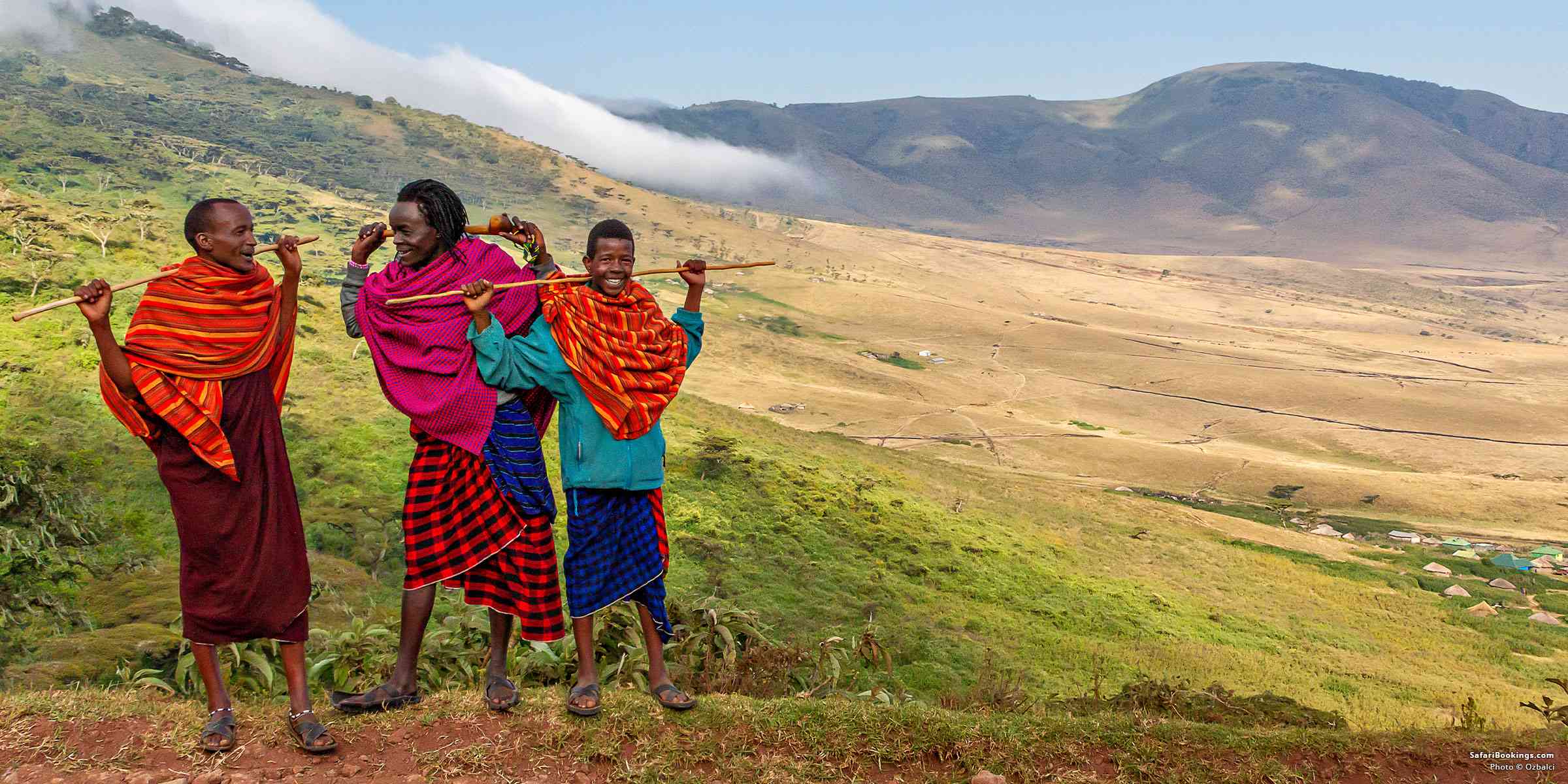
The migration takes place across ecosystems that have been home to Maasai communities for generations. Spending time in Maasai villages offers valuable insight into a culture that has maintained strong traditions while adapting to modern realities.
Witness the famous Adumu (jumping dance) - warrior jumping competitions with rhythmic chanting and unique vocal harmonies without instruments. You'll also see bright red Shúkà cloth symbolizing strength, handmade bead jewelry by Maasai women, and learn about rites of passage like circumcision and warrior initiation.
The Maasai have been custodians of this land for centuries, living in harmony with cattle and wildlife. For East African cultural immersion, this is essential.
2. Experience the Calabar Carnival in Cross River State, Nigeria
Held every December in Calabar, Cross River State, the carnival draws around 2 million visitors from across Nigeria and beyond. They call it "Africa's Biggest Street Party," a Trinidadian-style carnival unique to this African city without preexisting Caribbean influence.
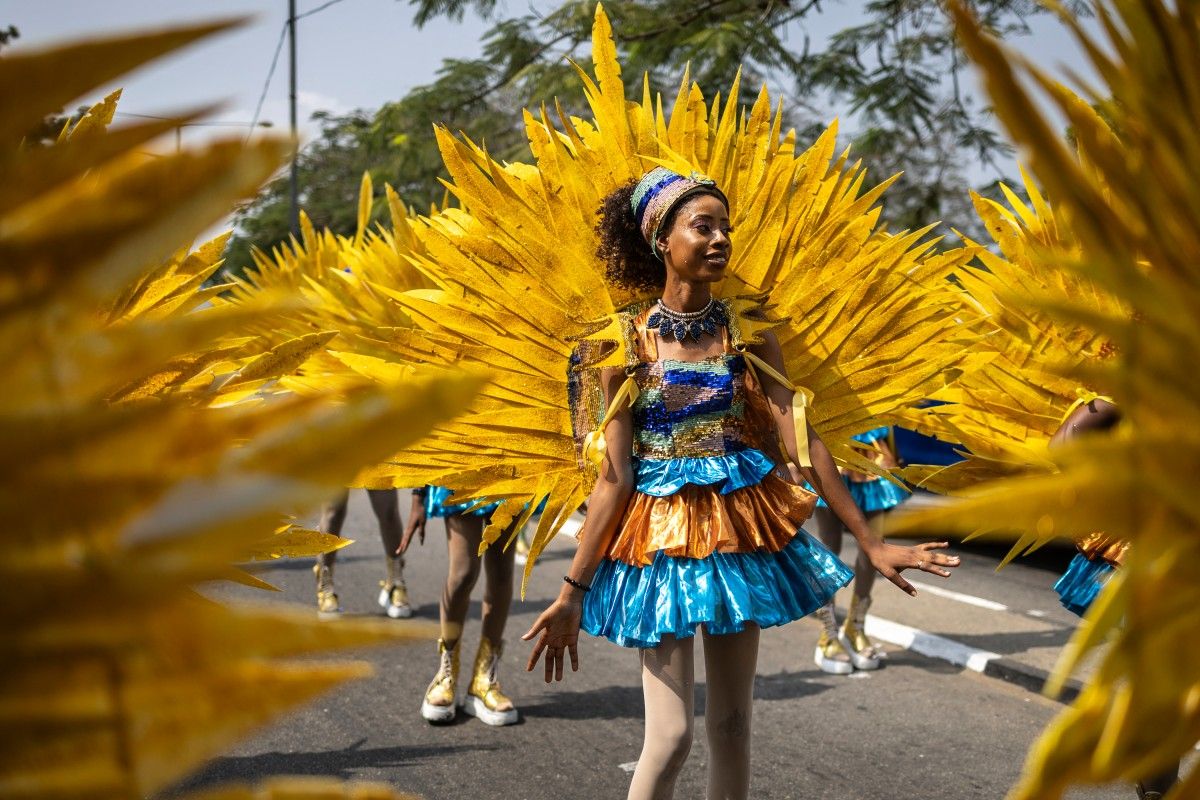
Bands parade with performers in identical costumes and masks, accompanied by loud music, dancing, competitions, floats, and even a Cross River Steel Band. The energy, colors, and unfiltered celebration of identity make this more than a party, it's a cultural statement about Nigeria's vibrant heritage.
For travelers who want to experience African festivity at its most expansive, December in Calabar is essential.
3.Experience Timkat, Ethiopia's Celebration of Epiphany
Few religious festivals in the world match the scale and significance of Timkat. Celebrated annually in Ethiopia, Timkat commemorates the baptism of Jesus Christ and is one of the most important events in the Ethiopian Orthodox calendar.
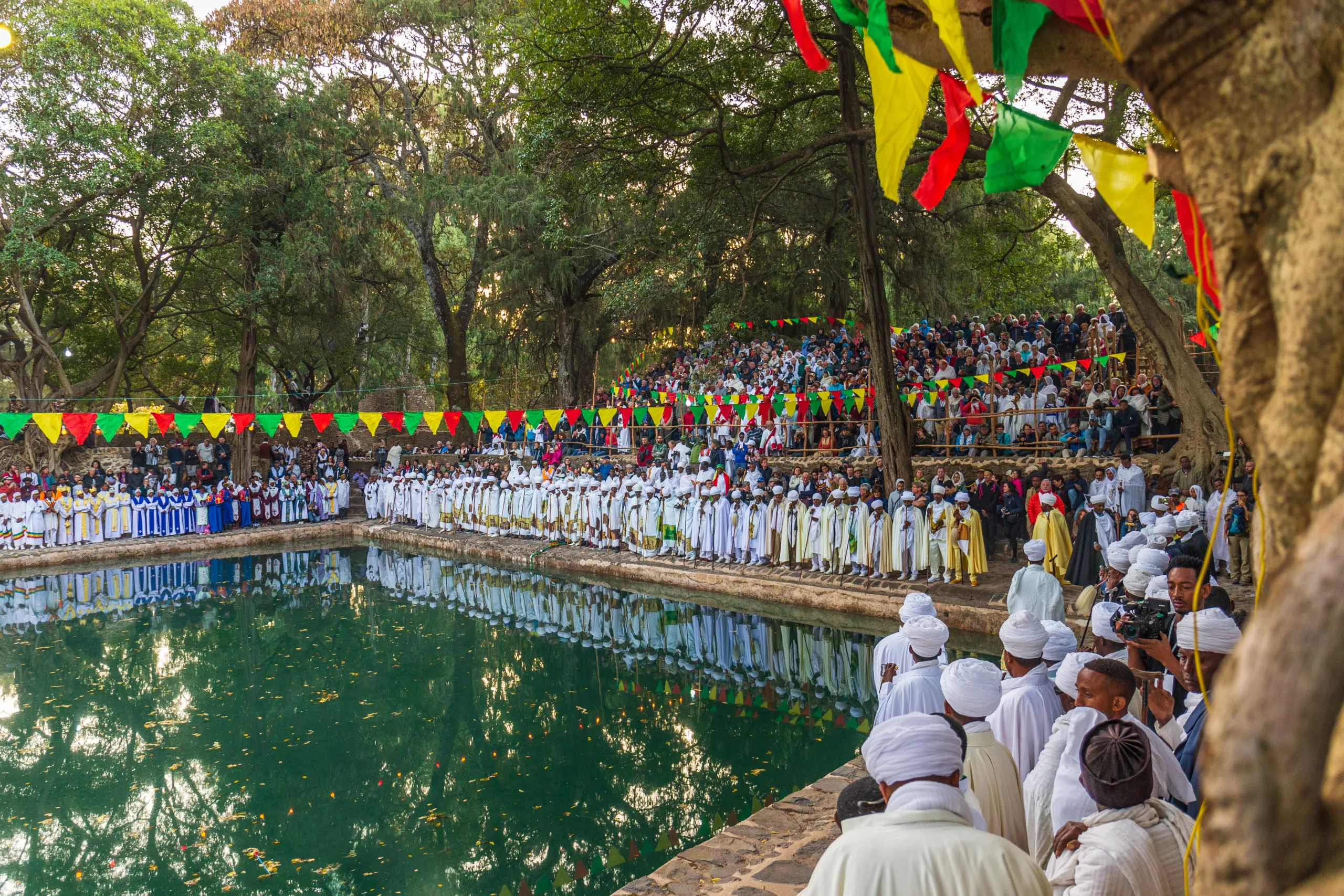
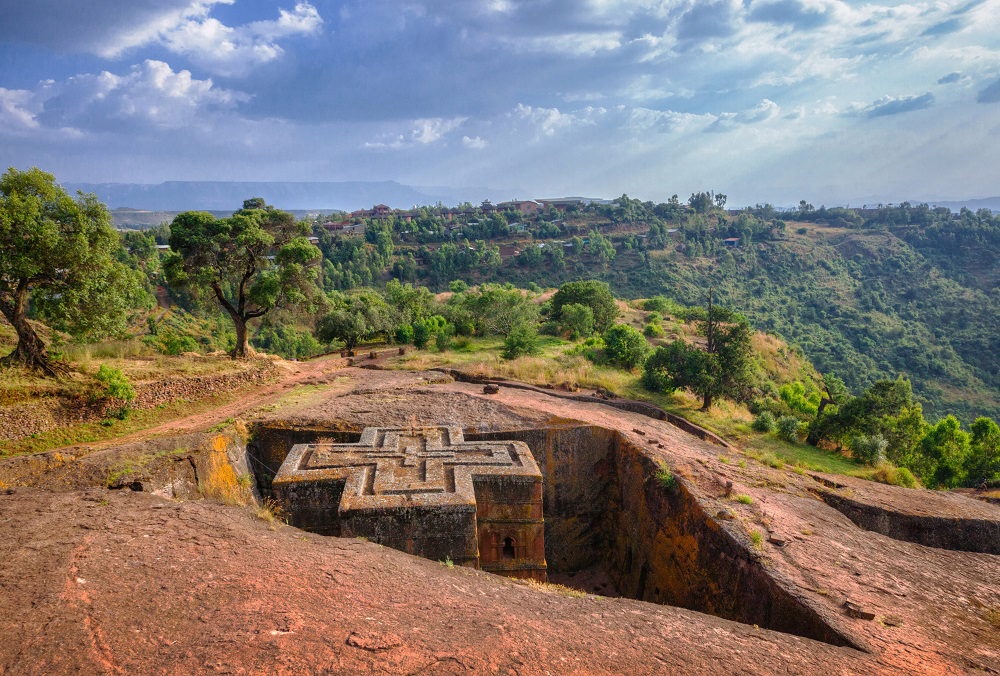
The festival brings together clergy, worshippers, musicians, and entire communities in elaborate processions filled with prayer, singing, and traditional attire. Cities such as Gondar, Lalibela, and Addis Ababa become centers of celebration as sacred replicas known as tabots are carried through the streets.
For travelers, Timkat provides a rare opportunity to witness a centuries-old spiritual tradition that remains central to everyday life for millions of Ethiopians. The experience is not about observation alone as it offers insight into faith, community, and cultural continuity.
4. Participate in a Village Stay in Ghana
Ghana is renowned for warm hospitality, often called "Akwaaba" (welcome). A village stay offers authentic rural life where you engage with locals and learn customs, farming practices, family roles, and oral storytelling.
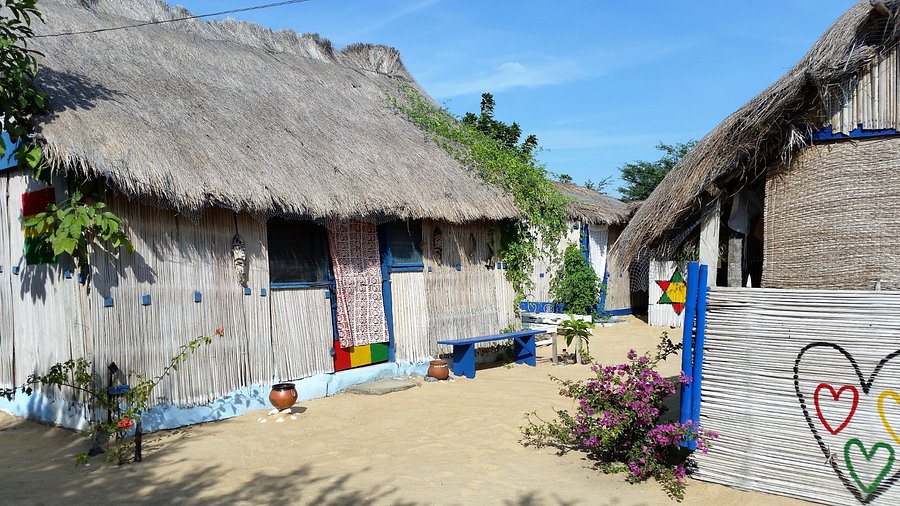
At places like Akwaaba Village, you experience Ghanaian cuisine and culture while connecting with traditional ways of life. This immersion lets you witness daily life outside urban centers and understand how communities sustain themselves.
For travelers seeking hospitality-centered cultural exchange, Ghana's village stays deliver genuine connection.
5. Attend the Osun-Osogbo Festival in Nigeria
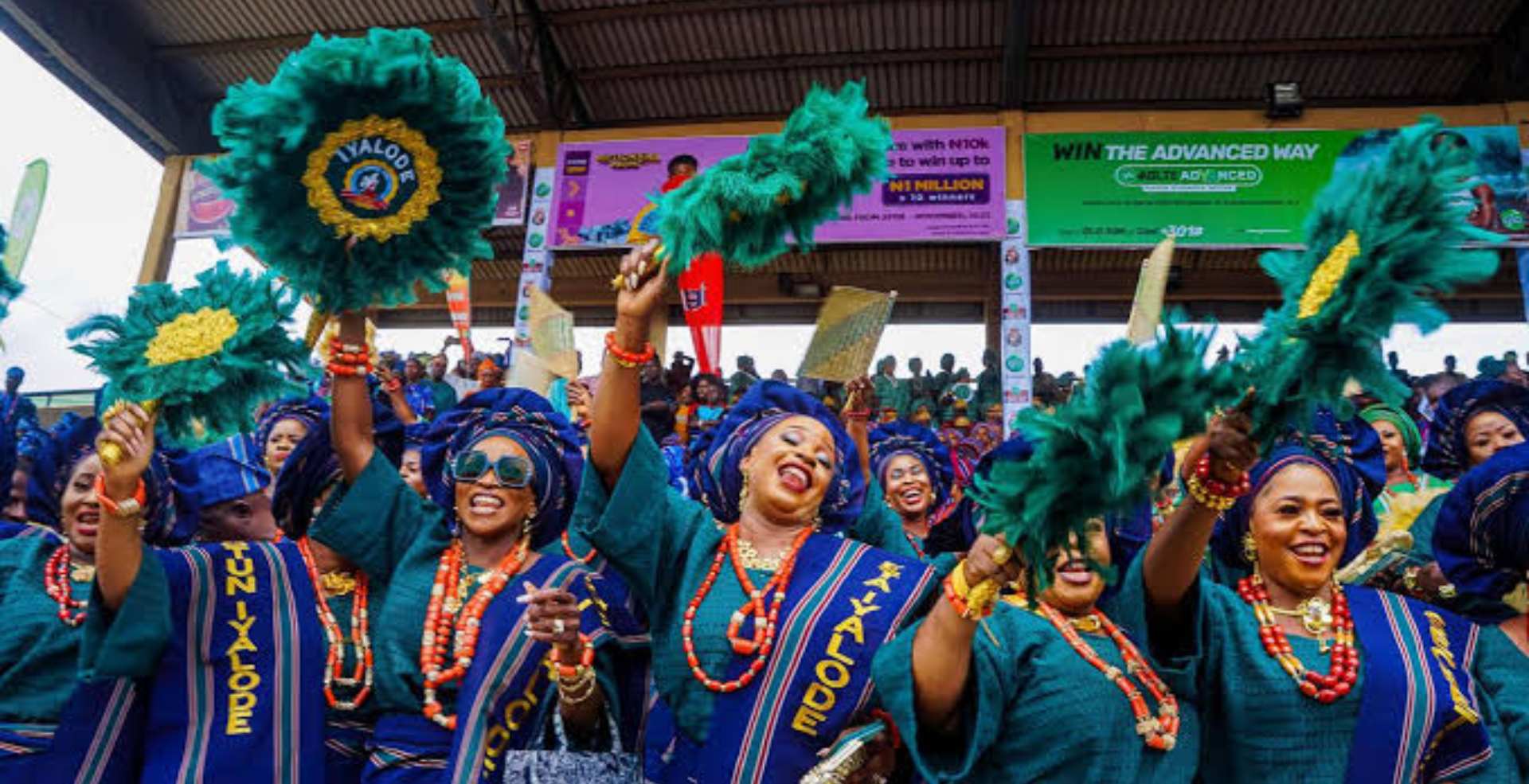
Every August, thousands converge on Osogbo for one of Yorubaland's most sacred celebrations. The Osun-Osogbo Festival honors Osun, the goddess of fertility, love, and beauty, and has been celebrated for over 700 years. The festival and its sacred grove were inscribed as a UNESCO World Heritage Site in 2005, recognizing their global cultural value.
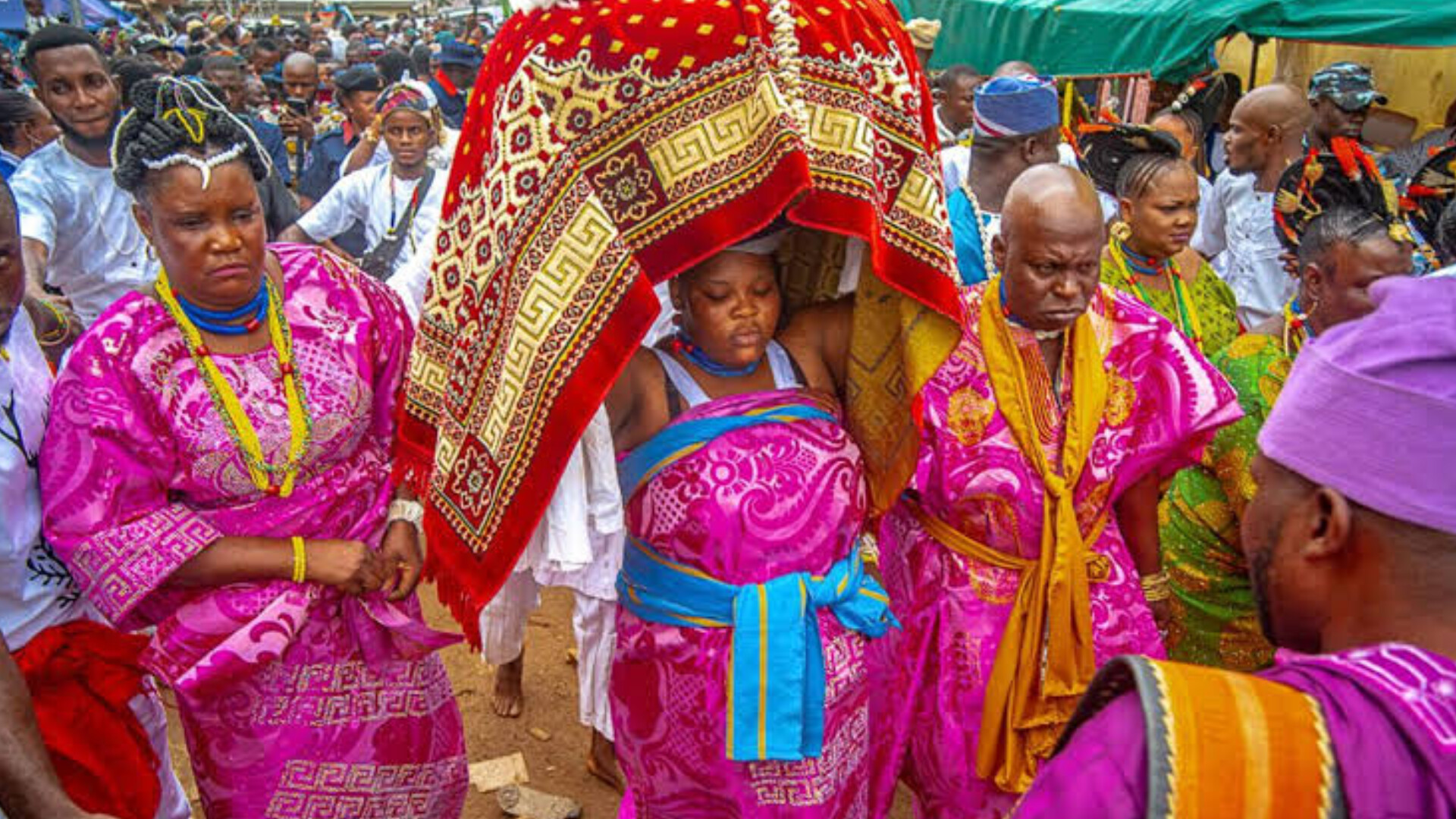
What makes this experience profound isn't just the traditional music, dance, and art exhibitions, it's witnessing a living spiritual journey where pilgrims, worshippers, and spectators reunite annually. You'll see Yoruba folklore performed, learn about ancestral reverence, and understand how nature and spirituality intertwine in Yoruba tradition.
6. Explore the Ancient Medina of Fez, Morocco
Some cultural experiences are not tied to a single event, they are embedded in an entire city. Fez offers one of the most immersive examples anywhere in Africa. Its historic medina, recognized as a UNESCO World Heritage Site, is among the world's largest surviving car-free urban centers.
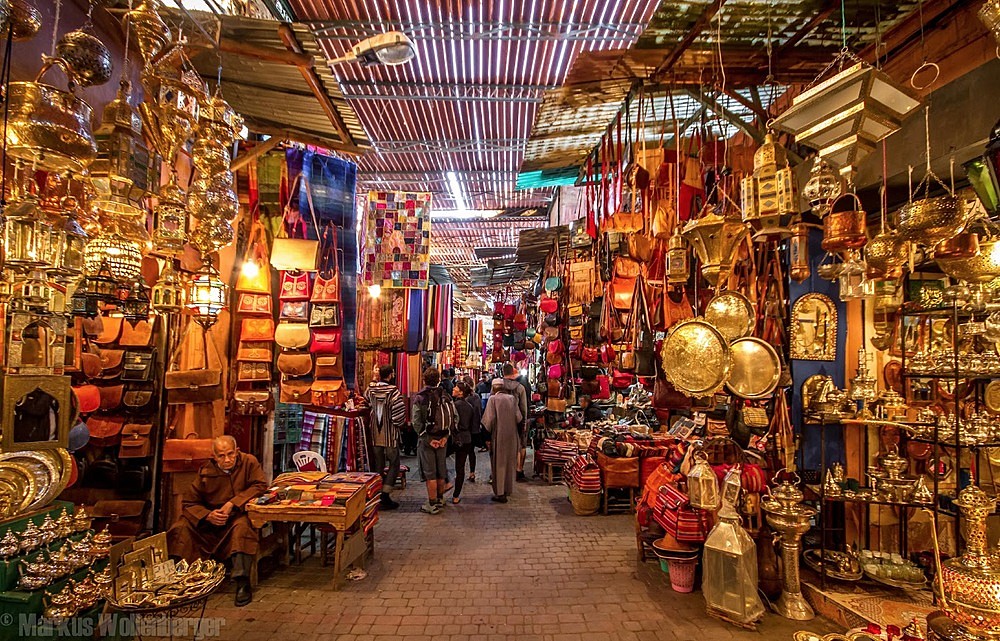
Walking through its labyrinth of streets reveals centuries of living history. Traditional tanneries, artisan workshops, religious schools, markets, and family-run businesses continue to operate much as they have for generations.
For travelers interested in heritage, architecture, and craftsmanship, few places compare.
7. Attend the Gerewol Festival of the Wodaabe People in Niger
Held annually by the Wodaabe, a subgroup of the Fulani people, the festival is known for its elaborate courtship rituals. During Gerewol, young men spend hours preparing intricate facial adornments, traditional clothing, and performances intended to attract potential partners.
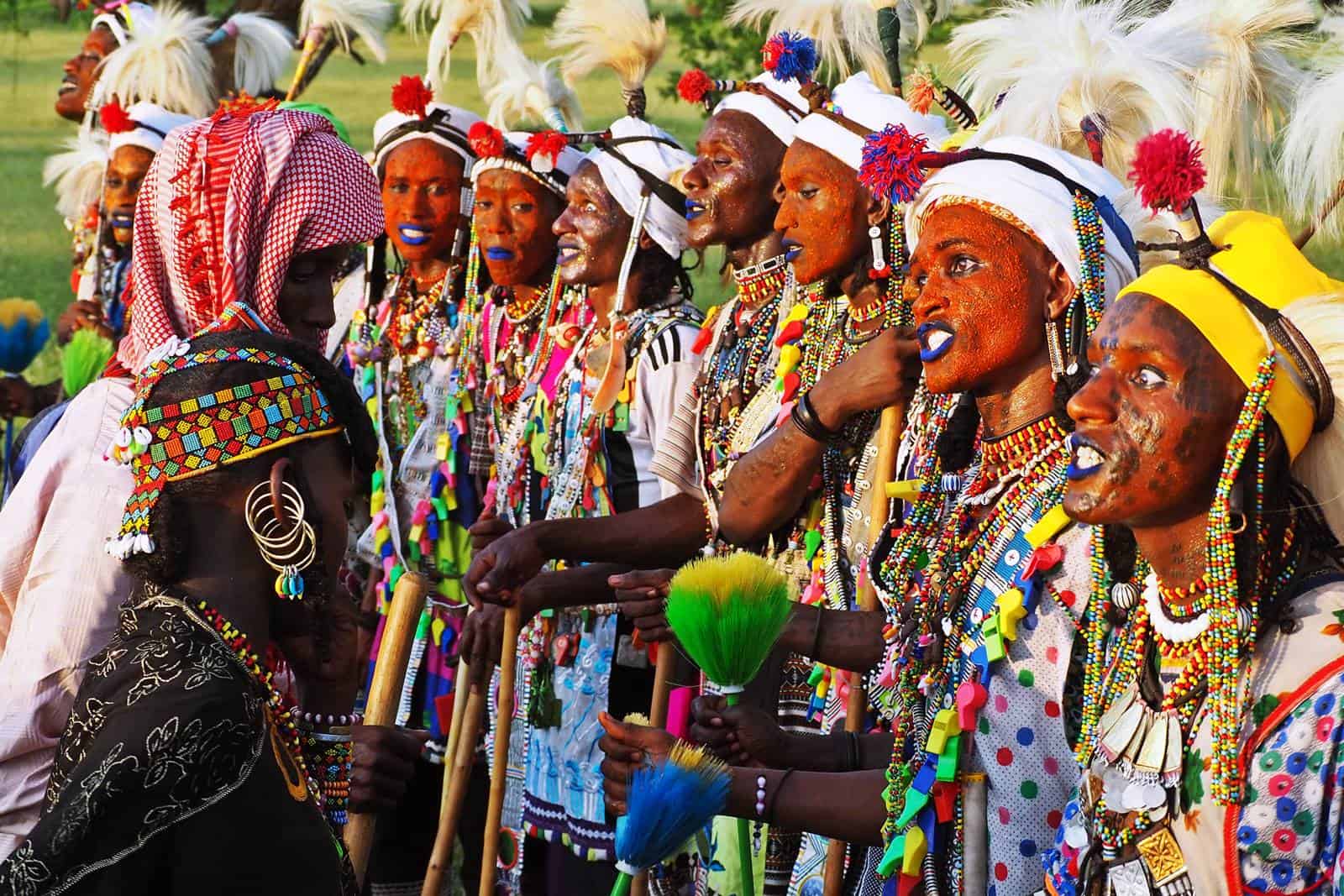
The celebration challenges many outside assumptions about beauty, courtship, and gender roles. Women play a central role in selecting partners, and the festival highlights values that have been preserved across generations.
Because Gerewol remains deeply rooted in community traditions rather than commercial tourism, travelers who attend gain access to a cultural experience that feels remarkably authentic.
Conclusion
The most memorable cultural experiences do more than entertain. They challenge assumptions, create understanding, and reveal how people see the world. Africa offers countless opportunities for this kind of travel. Whether you are witnessing Timkat in Ethiopia, exploring the ancient streets of Fez, or learning from Maasai communities, each experience provides a perspective that cannot be gained from a guidebook. Long after your trip, these will be the memories that will stay with you the longest.