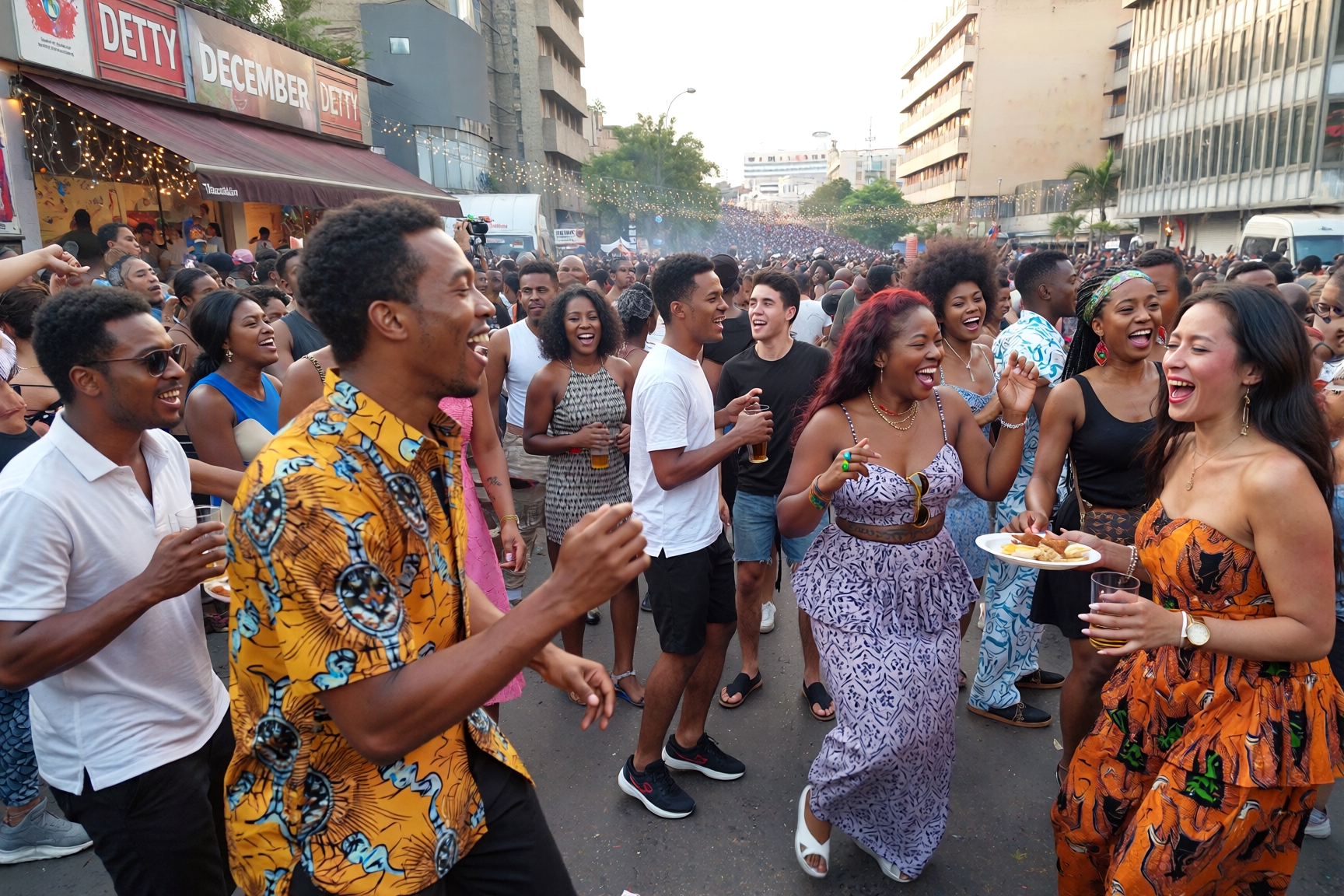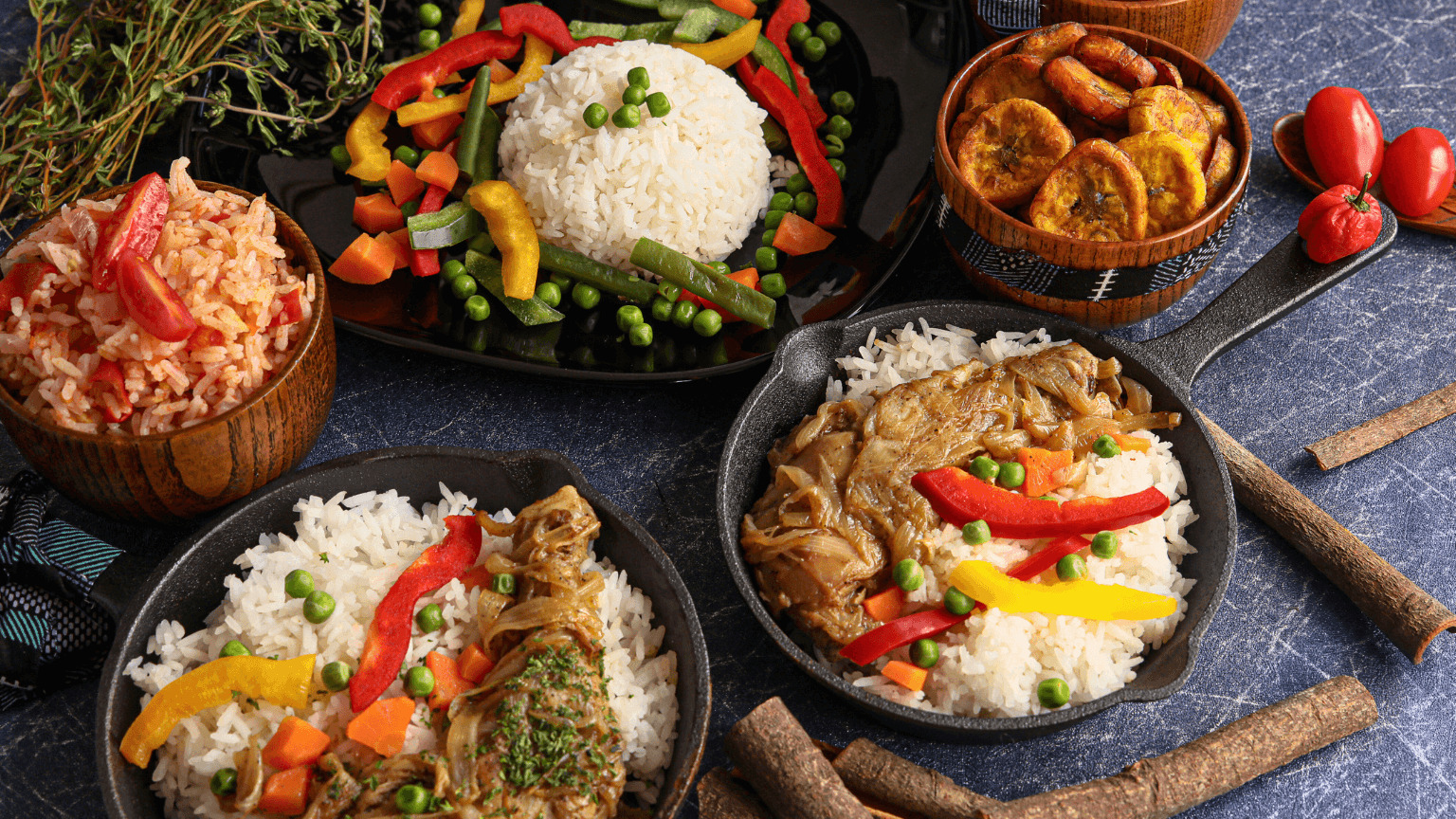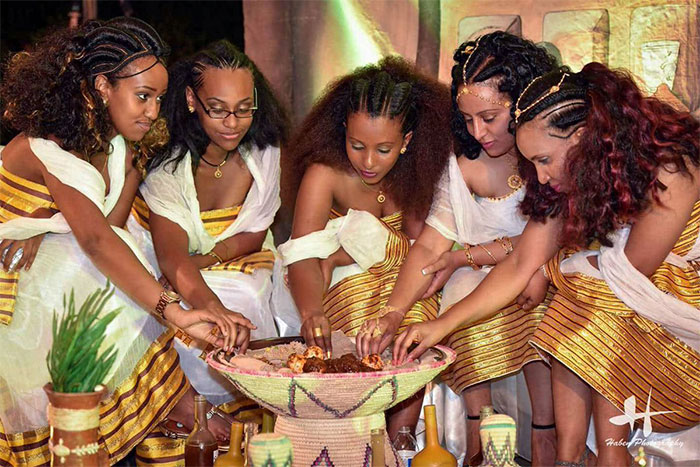
Eritrea sits on the Red Sea coast of the Horn of Africa; a country of dramatic landscapes, ancient history, and a food culture that is both deeply its own and intertwined with Ethiopian and broader East African traditions. Having gained independence only in 1993 after a long liberation struggle, Eritrea carries a fierce sense of cultural pride that extends powerfully to the table.
Eritrean food is flavourful, spiced with care, and always shared. It's usually eaten communally from a single platter in a gesture that carries a deep meaning. If you're visiting Eritrea, or seeking to try the country's cuisine, here is what to eat.
1. Injera with Zigni
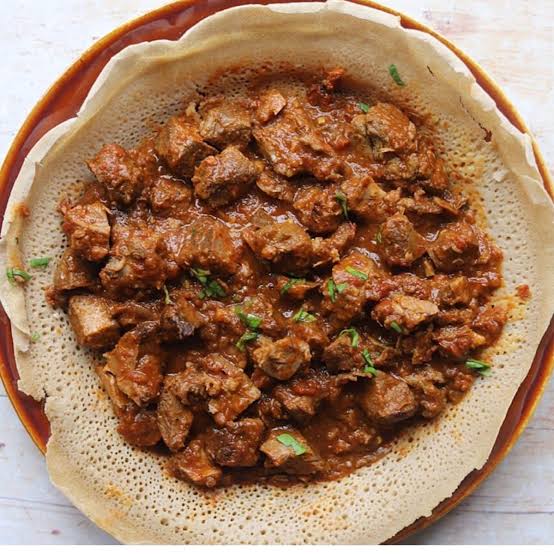
The foundation of the Eritrean meal. Injera is a large, spongy sourdough flatbread made from teff flour. It's slightly sour, porous, and used as both plate and utensil. Zigni is Eritrea's signature meat stew: diced beef or lamb cooked in a deeply spiced berbere sauce. Eating injera and zigni together, tearing bread and scooping stew with your right hand, is the essential Eritrean experience.
2. Tsebhi Dorho (Spiced Chicken Stew)
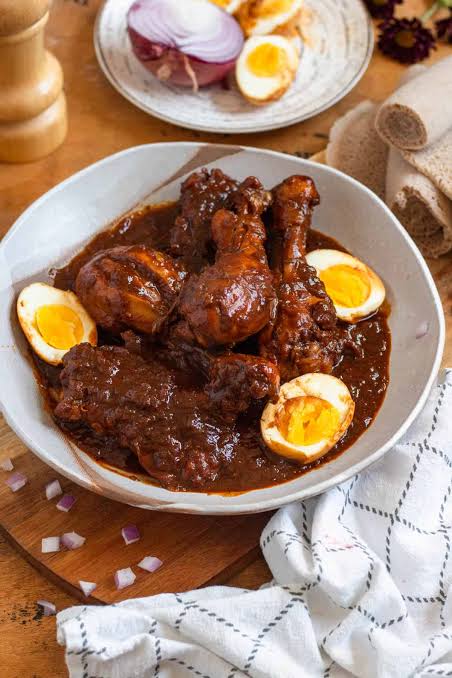
This dish is whole chicken pieces slow-cooked in a rich berbere and niter kibbeh (spiced clarified butter) sauce with hard-boiled eggs added at the end. Tsebhi dorho is the celebration stew; the dish cooked for holidays, weddings, and honoured guests. The combination of berbere, niter kibbeh, and egg is iconic.
3. Ful (Fava Bean Paste)
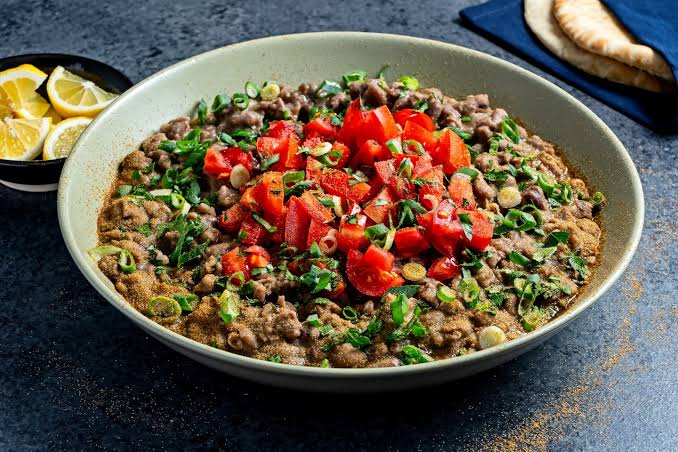
This is slow-cooked fava beans mashed with olive oil, lemon, garlic, and cumin, served with injera or flatbread. Ful is the everyday breakfast of Eritrea: simple, nutritious, and deeply satisfying. It's eaten at home, in restaurants, and from small stalls in every city market.
4. Shiro
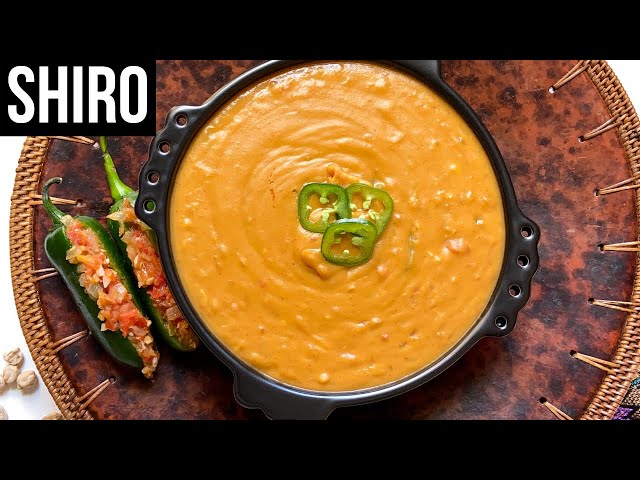
Shiro is a thick, smooth stew made from powdered chickpeas or fava beans, cooked with spiced clarified butter, onion, garlic, and berbere. It is the most democratic of Eritrean dishes that is eaten by everyone, every day, in good times and lean ones. Its simplicity is deceptive; when made well, it is sublime.
5. Hamli (Sautéed Greens)
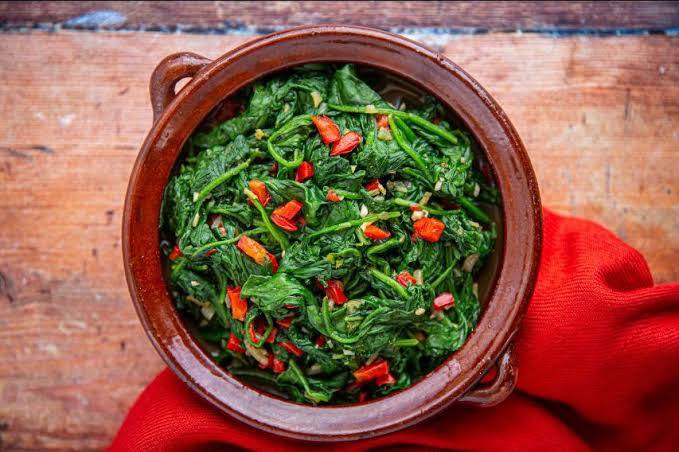
Leafy greens, usually spinach, chard, or local varieties, sautéed with garlic, onions, and a touch of chilli. Hamli is the standard vegetable accompaniment to any Eritrean mea. It's light and bright against the richness of stews and injera.
Read more: Food in the Central African Republic
6. Alicha (Mild Yellow Stew)
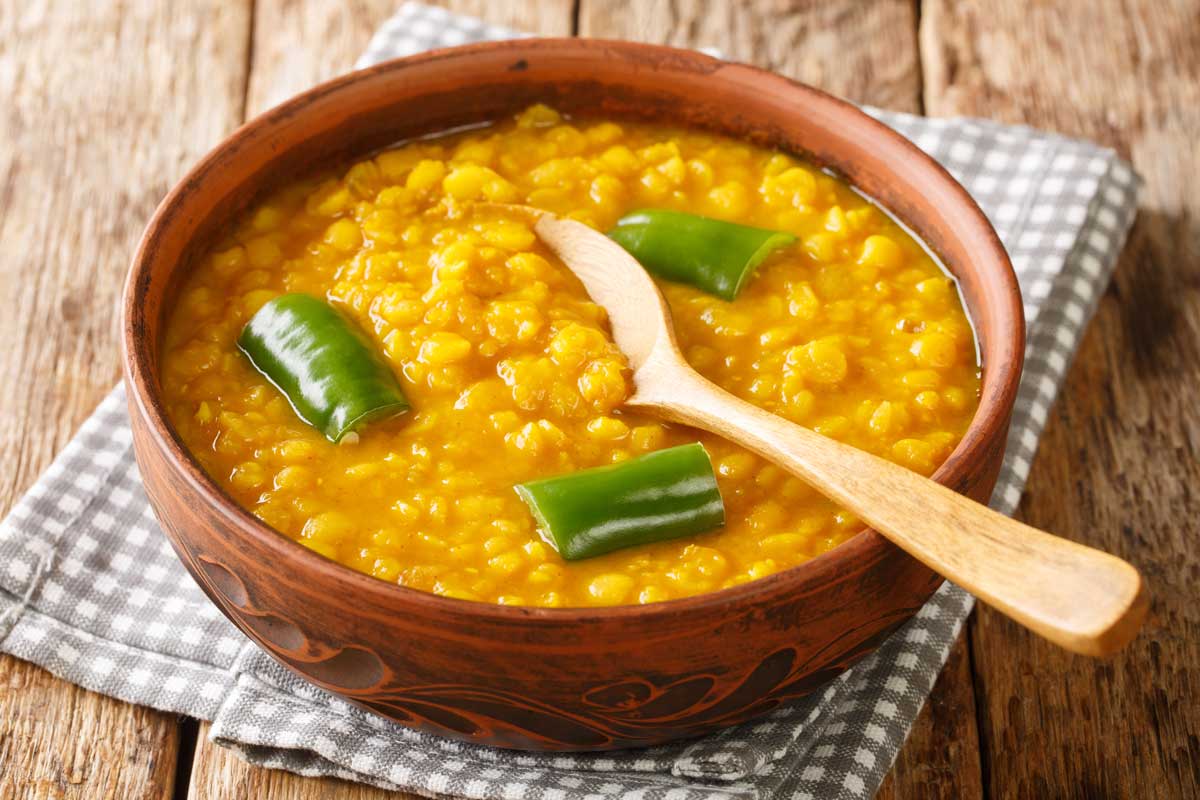
Alicha is a gentler, turmeric-based stew, without the heat of berbere, and made with vegetables or meat. This dish provides balance on the injera platter alongside spicier dishes, and it's the preferred choice for those who want to experience the depth of Eritrean spicing without too much fire.
7. Fitfit
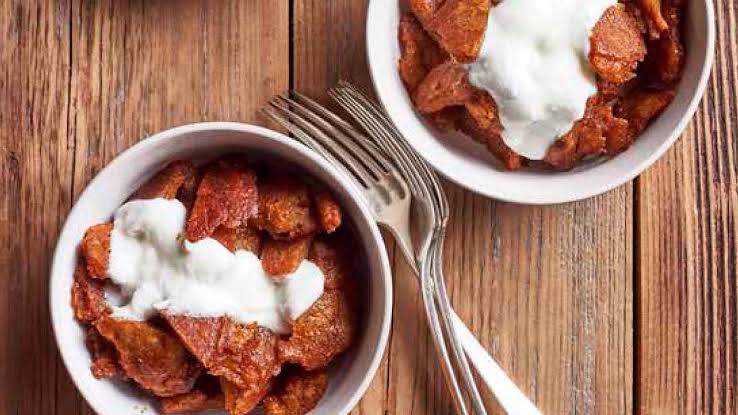
Made of torn injera mixed with berbere sauce, olive oil, and onion, it's essentially a spiced injera salad. Fitfit is breakfast food and also a way of using leftover injera, and it manages to be simultaneously simple and deeply delicious.
8. Fata (Bread Soup)
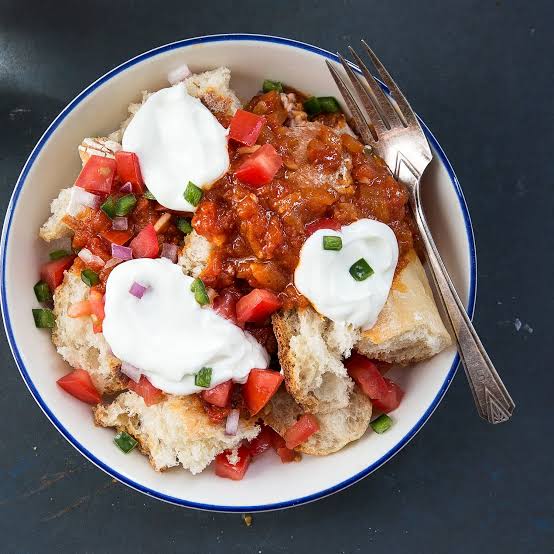
Toasted flatbread broken into a spiced meat broth with yoghurt and spices. Fata shows the Arab influence on Eritrean coastal cooking, particularly around the port city of Massawa, and is warming, comforting, and very tasty.
9. Suwa (Traditional Beer)
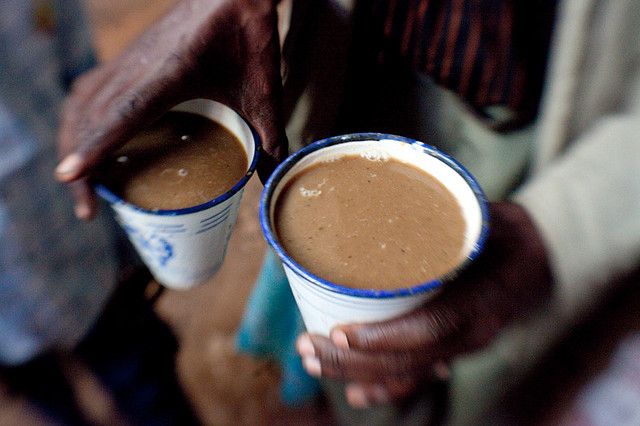
A home-brewed sorghum and gesho (buckthorn) beer that is slightly bitter, cloudy, and deeply embedded in Eritrean social culture. Suwa is the drink of community; brewed by women, shared in shared cups, and consumed with good conversation.
10. Boon (Eritrean Coffee Ceremony)
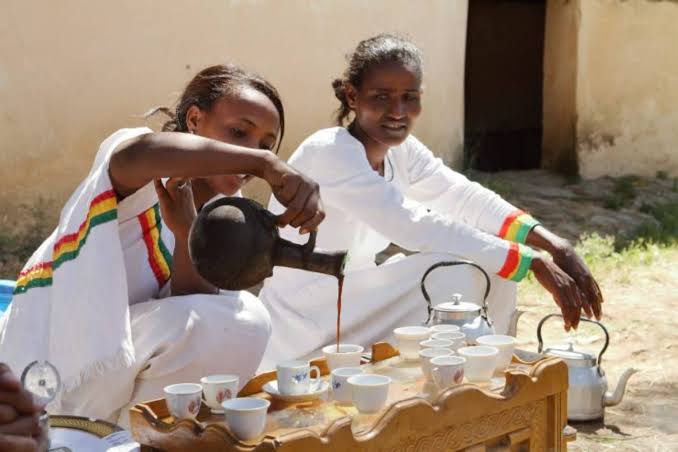
Coffee here is not just a drink, it is a ritual. Green coffee beans are roasted, ground, brewed in a clay jebena pot, and served in tiny cups with sugar, sometimes with popcorn or bread. The Eritrean coffee ceremony is an act of hospitality and connection, and being invited to one is a genuine honour.
Conclusion
Eritrean food is an act of identity. It is the cuisine of a people who have maintained their culture through extraordinary adversity and who share their table as an expression of who they are. Eating injera and zigni in Asmara, or sharing suwa with a family in a highland village, is a privilege that goes beyond flavour. Come to Eritrea with respect and curiosity — and a very good appetite.
If you enjoyed reading this, then check out our next article on 10 Most Popular Local Dishes in Cameroon or check our curated tours to Africa here