Africa does not celebrate quietly. Across the continent, festivals are living expressions of faith, royalty, memory, music, and identity. They are not staged performances for visitors. They are real moments when communities gather to honor ancestors, mark sacred seasons, display power, or simply rejoice in who they are.
From ancient religious ceremonies in the Horn of Africa to royal horse parades in West Africa and modern art movements on coastal streets, these festivals reveal the continent in motion. If you want to experience Africa beyond landscapes and landmarks, plan your travels around one of these unforgettable celebrations.
Here are ten iconic festivals that deserve a place on your calendar.
1. Timkat, Ethiopia
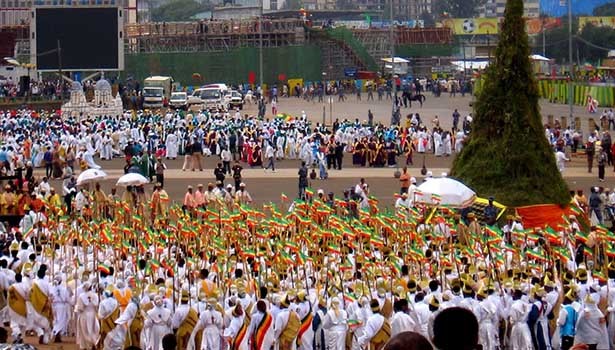
Every January, Ethiopia comes alive with the celebration of Timkat, the Ethiopian Orthodox commemoration of the baptism of Jesus. For three days, cities such as Gondar and Lalibela turn into rivers of white as worshippers dressed in traditional cotton garments fill the streets.
At the heart of the festival is the Tabot, a sacred replica of the Ark of the Covenant, carried in grand processions by priests under colorful ceremonial umbrellas. The most powerful moment comes at dawn when water is blessed and crowds immerse themselves in it as a sign of spiritual renewal.
Timkat is not simply observed. It is felt through chanting, incense, drums, and collective faith that stretches back centuries.
2. Voodoo Festival, Benin
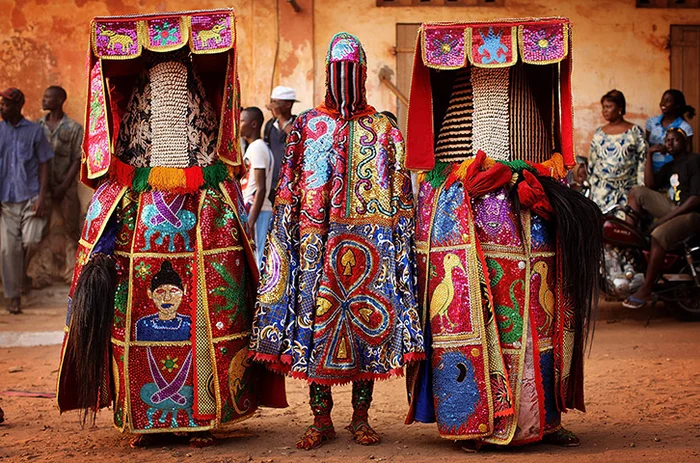
In Ouidah, Benin, January 10 marks one of the most spiritually intense gatherings on the continent. The Voodoo Festival honors a belief system often misunderstood outside Africa but deeply rooted in healing, nature, and ancestral reverence.
Priests in white garments lead rituals. Drums beat steadily as dancers move into trance. Offerings are made with solemn respect. The procession to the beach, where blessings are invoked, connects participants to both spirit and history, especially near the Door of No Return, a reminder of the transatlantic slave trade.
3. Durbar Festival, Nigeria
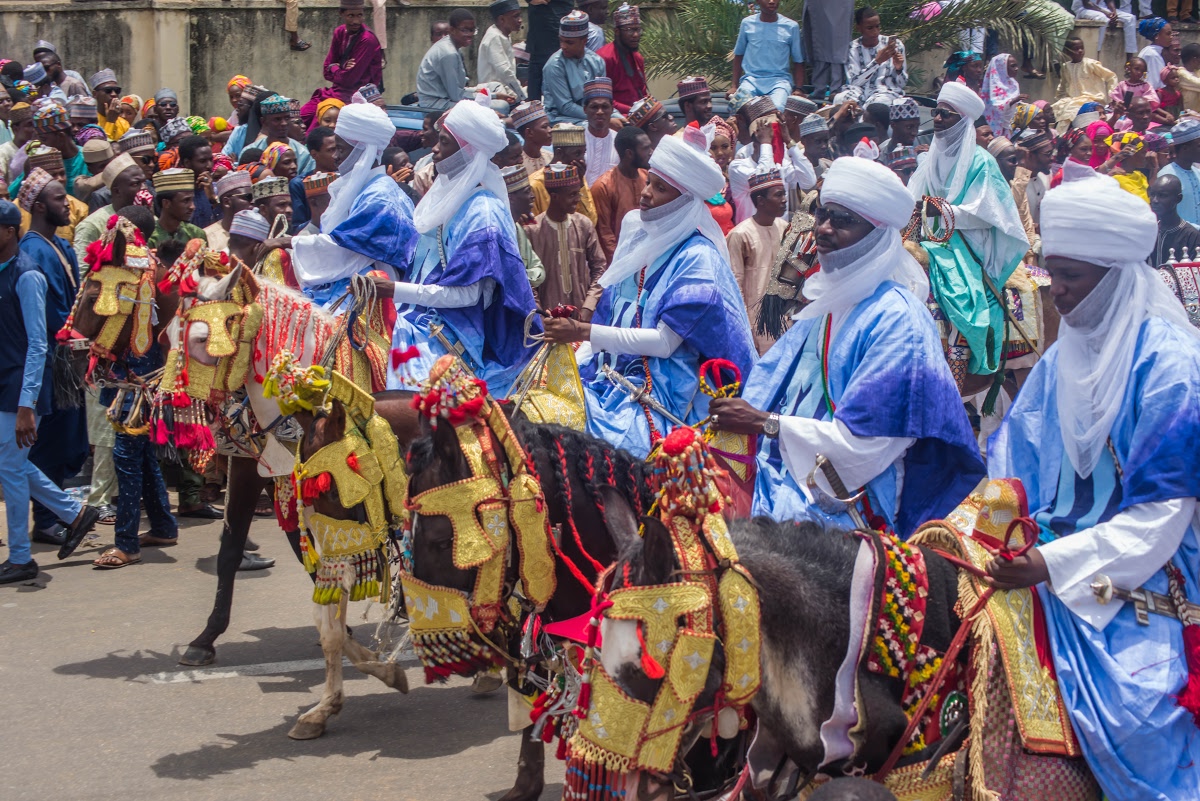
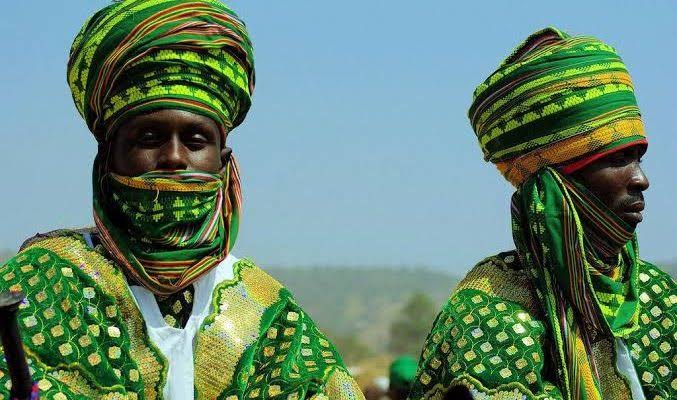
In northern Nigeria, the Durbar Festival unfolds like a royal epic. Held at the end of Eid celebrations in cities such as Kano and Katsina, it began as a military parade honoring the Emir. Today it remains a magnificent display of Hausa and Fulani heritage.
Thousands of horsemen dressed in embroidered robes and turbans ride in formation before cheering crowds. Swords are raised and praise singers chant ancestral titles while the Emir receives homage in a show of unity and authority.
4. Gerewol Festival, Chad and Niger
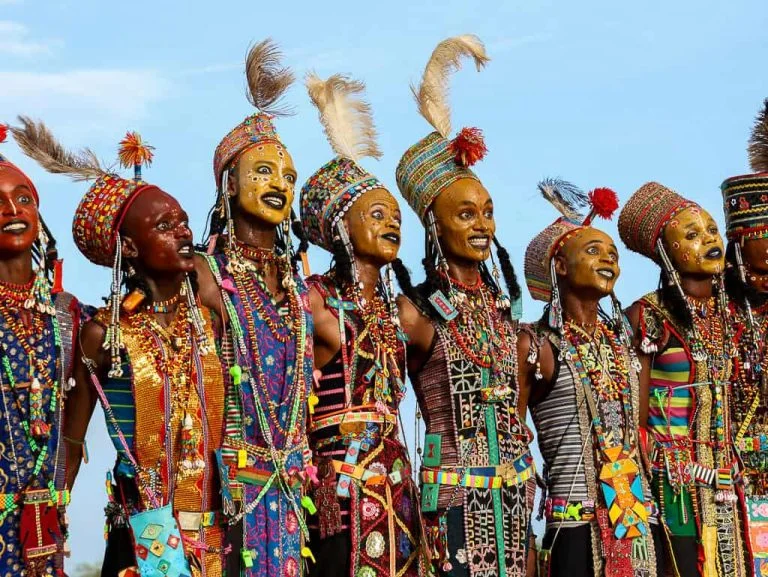
Deep in the Sahel, the Wodaabe people gather for Gerewol, a courtship festival unlike any other. Here, young men compete not with strength but with beauty. Faces are painted with ochre and white clay to highlight features as beaded costumes shimmer in the desert light. Men perform the Yaake dance, rolling their eyes and flashing bright smiles to attract potential brides.
Women observe carefully and choose the winners. In a region often portrayed through hardship, Gerewol reveals elegance, humor, and agency within nomadic life.
5. Festival au Désert, Mali
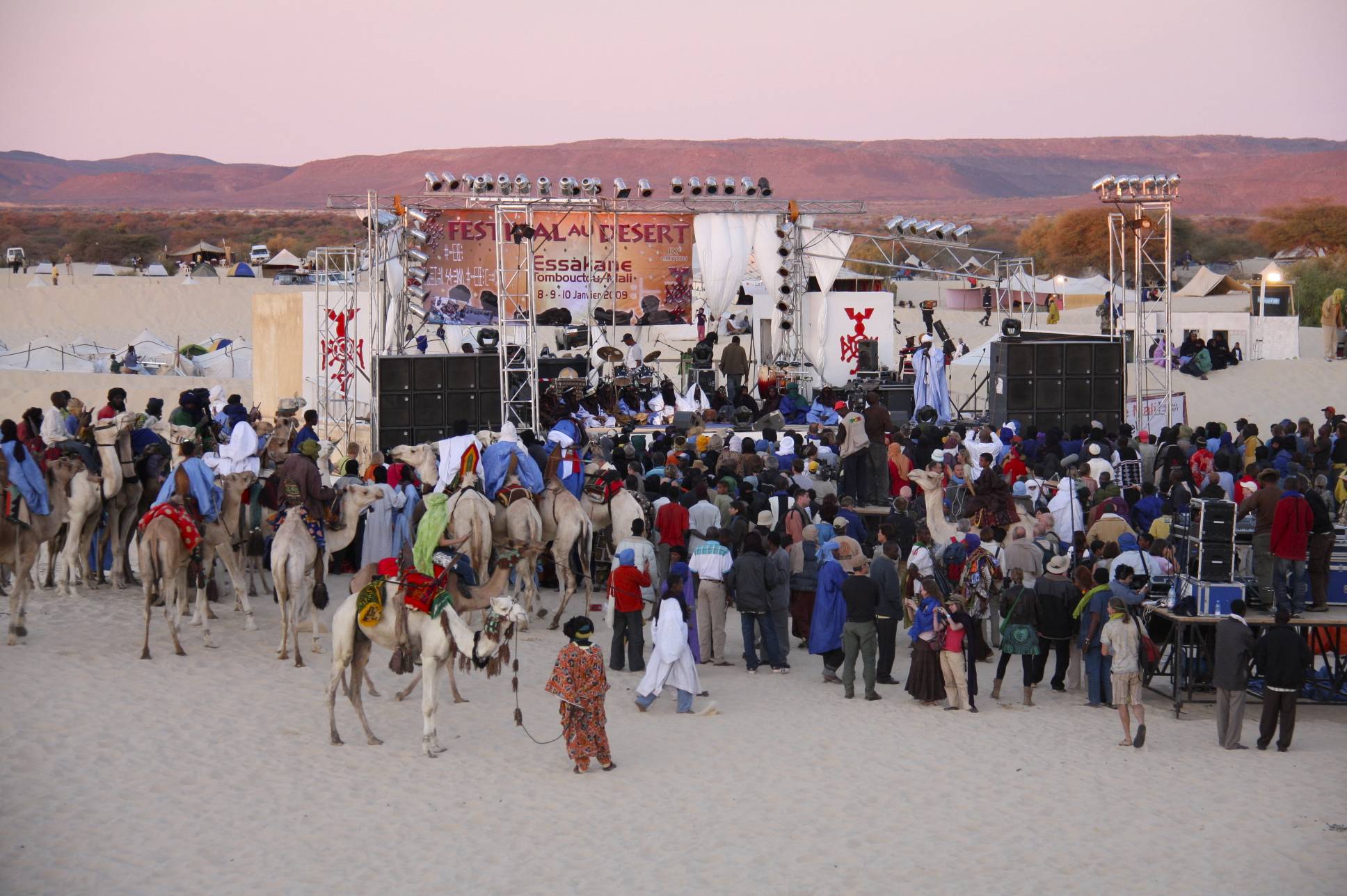
Though paused in recent years due to security concerns, the spirit of the Festival au Désert continues to inspire. Originally held near Timbuktu, it brought together Tuareg musicians, poets, and nomads under the vast Sahara sky.
The music, often described as desert blues, blended tradition with modern rhythm. Camel caravans arrived. Stories were shared around campfires. The festival symbolized cultural resilience in a fragile region. If revived fully, it will again stand as one of Africa’s most atmospheric music gatherings.
6. Ojude Oba Festival, Nigeria
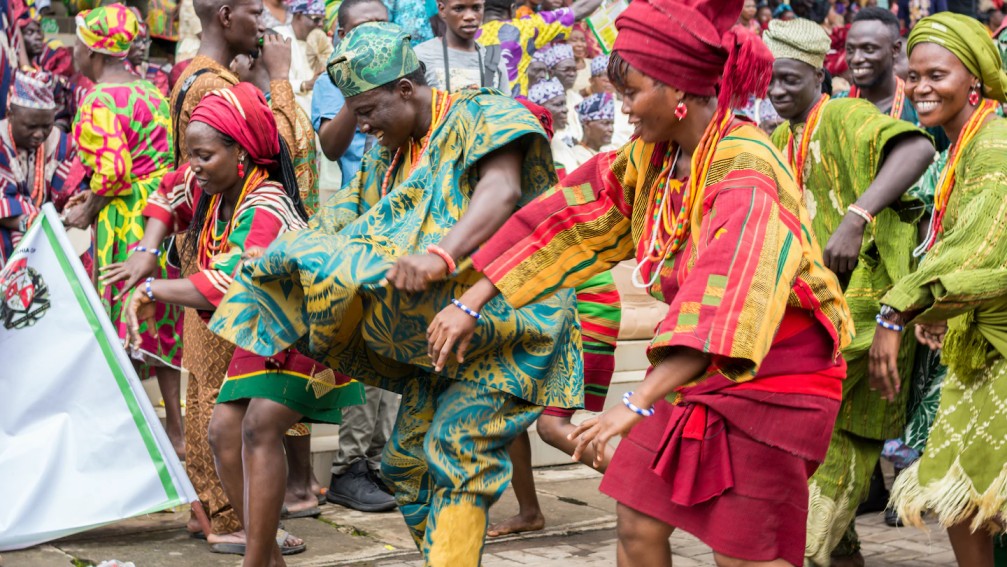
In Ijebu Ode, southwestern Nigeria, the Ojude Oba Festival honors the Awujale, the traditional ruler of the Ijebu people. What began over a century ago as a modest gathering of Muslim converts has grown into a grand annual display of Yoruba pride.
Age grade groups known as Regberegbe parade in coordinated outfits, competing in style and presentation. Noble families ride decorated horses in tribute to the king. Drums, praise poetry, and vibrant Aso Oke fabrics fill the king’s forecourt with color and rhythm.
Ojude Oba balances faith, fashion, and royalty in a way few festivals manage.
7. Cape Town International Jazz Festival, South Africa
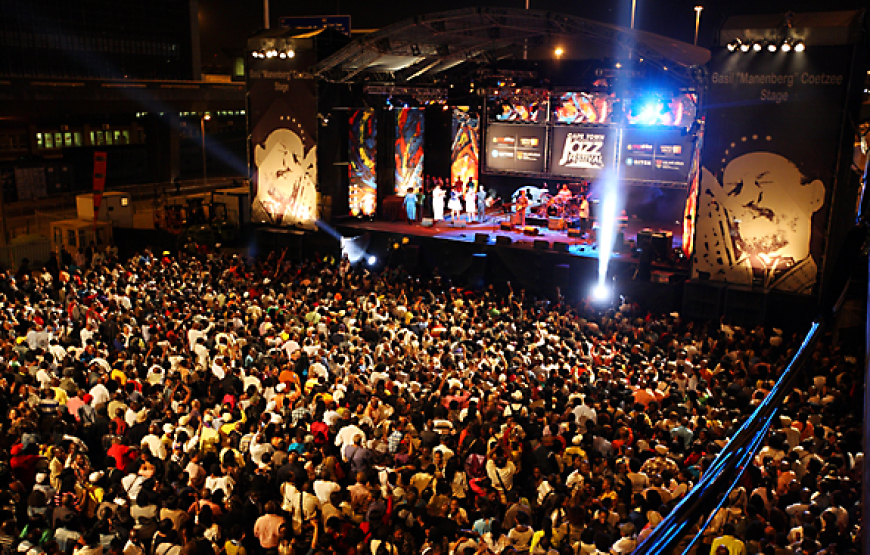
Often called Africa’s largest jazz event, the Cape Town International Jazz Festival draws tens of thousands of music lovers every year. Hosted at the Cape Town International Convention Centre, it blends African jazz, soul, Afrobeat, and global sounds.
Beyond the performances, workshops and masterclasses create space for collaboration and growth within the music industry. The festival also invites visitors to explore Cape Town itself, from Table Mountain to its Atlantic coastline.
It is proof that Africa’s festival scene is not only traditional but also globally contemporary.
8. Chale Wote Street Art Festival, Ghana
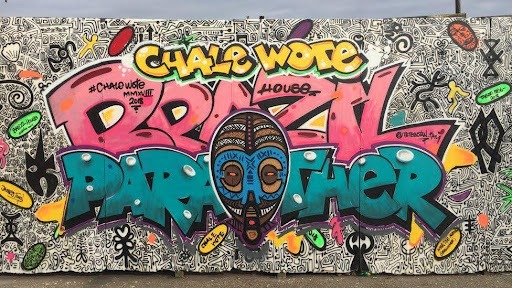
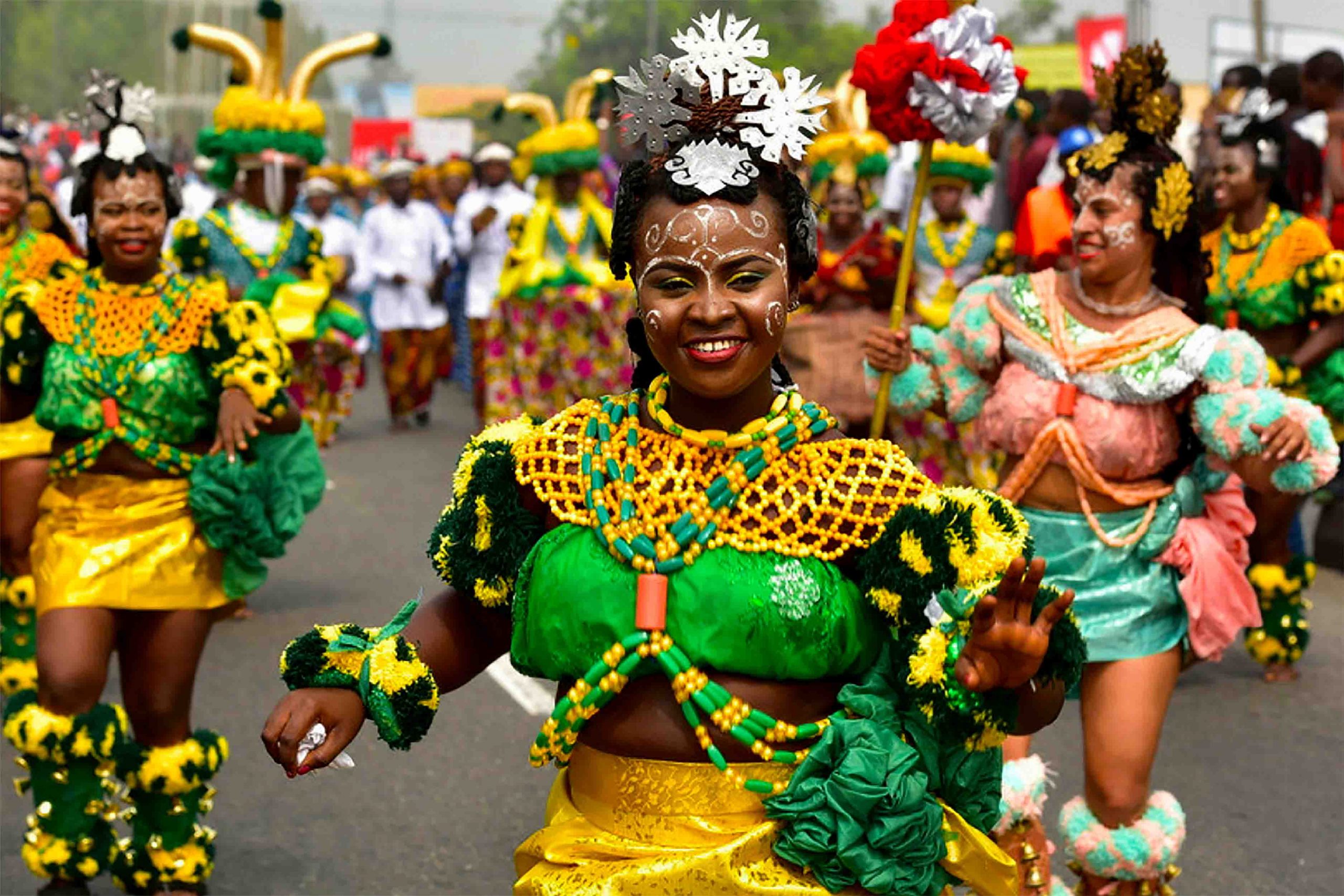
Each August, Jamestown in Accra transforms into an open-air gallery during the Chale Wote Street Art Festival. Walls become murals. Streets become stages. Artists, skaters, poets, and musicians claim public space in bold fashion.
What began in 2011 has grown into West Africa’s largest street art platform. The festival challenges conventional ideas of art by placing creativity directly in the streets, accessible to everyone.
Chale Wote is youthful, fearless, and proudly urban.
9. Festival of the Sahara, Tunisia
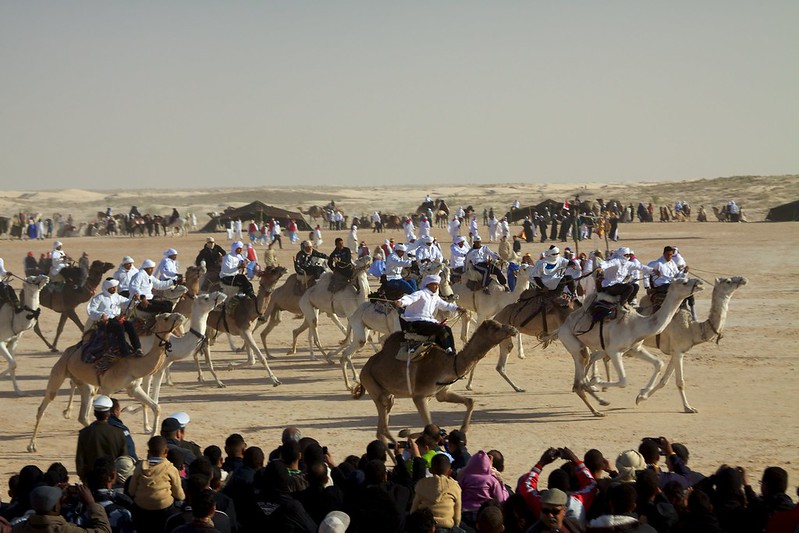
In the desert town of Douz, Tunisia celebrates its nomadic heritage with the Festival of the Sahara. Originally marking the end of the date harvest, it has evolved into a cultural gathering that honors Bedouin and Berber traditions.
Camel races thunder across the sand. Falconry displays draw applause. Poets recite verses that echo across dunes. Visitors witness a way of life shaped by resilience and adaptation.
The setting alone, surrounded by endless desert, makes the experience unforgettable.
10. Africa Renaissance Festival, Ghana
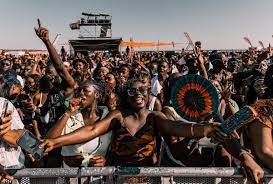
Held in Cape Coast, the Renaissance Festival focuses on reconnection. It aligns with Ghana’s movement encouraging people of African descent to rediscover ancestral ties.
Spiritual ceremonies, music performances, fashion showcases, and guided tours of historic castles form part of the program. It is both celebratory and reflective, inviting participants to engage honestly with history while embracing modern African identity.
Why These Festivals Matter
These festivals are not tourist inventions but are living traditions and evolving platforms of expression. Some are centuries old, and others are modern movements redefining identity. All of them offer something rare: a chance to witness Africa speaking for itself.
If you want to understand the continent beyond headlines and stereotypes, attend one of these gatherings. Stand among the crowds. Listen to the drums. Watch the processions. Feel the desert wind or coastal breeze.
Africa’s story is told loudly and proudly in its festivals. The only question is which one you will experience first.